Chiropractic

Chiropractic

Winter Fatigue Symptoms: Why You’re Exhausted (Even After 9 Hours of Sleep)

TL;DR Summary Winter fatigue isn’t just “how February feels in Michigan.” It’s a perfect storm of vitamin D deficiency, reduced circulation, and nervous system stress that makes you exhausted despite sleeping more. Your cold hands, brain fog, and short patience with the kids are symptoms of nervous system communication breakdown. Dr. Herrst’s whole-person chiropractic approach addresses the root cause, not just the symptoms. You’re Not Imagining It You’re in bed by 9pm now instead of 10:30. You hit snooze three times this morning when you used to bounce up at 6am. Your hands are cold even inside the house, and you’ve had two extra cups of coffee before lunch, but it’s not touching the exhaustion. The heaviness in the morning feels like you’re moving through mud. Your body aches but you can’t point to a specific injury. The cold settles into your hands and feet and won’t leave no matter how many layers you add. You thought about taking the kids for a nature walk at Fitzgerald Park or along the Ledges trails for science class, but the idea of bundling everyone up and dealing with the 15-degree wind makes you want to cry. The Grand Ledge District Library is doing their winter reading program, but you’re too exhausted to even consider it. Whether you’re homeschooling in DeWitt, running errands in Delta Township, or just trying to make it through the day in Wacousta, this Michigan winter doesn’t discriminate. The brain fog makes you read the same paragraph in the homeschool lesson three times. You’re sleeping nine hours but waking up feeling like you pulled an all-nighter. Then there’s the patience thing. You snapped at the kids over something small this morning. Again. You feel guilty because you know they’re just being kids, but your fuse is so short lately. Here’s what you need to hear: this isn’t a character flaw. You’re not a bad mom. You’re not weak. You’re not failing at homeschooling. You’re a human being whose nervous system is under siege from multiple stressors at once, and your body is responding exactly the way it’s designed to respond. The problem isn’t you. The problem is that nobody’s helping you see what’s actually happening. You’re doing everything “right.” You’re eating relatively well. You’re getting more sleep than usual. You’re not sick. But you feel worse than you did in November. And you can’t quite figure out why, which makes it even more frustrating. What if I told you this isn’t about doing more things right? What if the problem is that you’re looking at this through the wrong lens entirely? You can’t fix what you can’t see. And right now, you’re trying to solve a nervous system problem with lifestyle adjustments. That’s like trying to fix your internet connection by refreshing the browser harder. Here’s What’s Actually Happening in Your Body Here’s what most people don’t realize about winter fatigue symptoms: it’s not just one thing. It’s a perfect storm of factors that all hit at once, and they all connect back to one system in your body that controls everything else. When the temperature drops and stays below freezing for weeks (like it has been in Grand Ledge this winter), multiple things happen simultaneously. Your vitamin D levels plummet because you’re not getting sunlight exposure. Your body constricts blood vessels to preserve core temperature, which means less circulation to your hands, feet, and brain. Your nervous system goes into a low-grade stress response trying to regulate all of this. And that nervous system stress affects your sleep quality, your mood, your patience, and your energy levels. Most conventional approaches treat these as separate issues. Take vitamin D supplements for the deficiency. Drink more water for the fatigue. Try therapy for the irritability. But here’s what gets missed: your nervous system controls all of these functions. As an Adjunct Instructor of Human Physiology at Lansing Community College, I teach my students about the autonomic nervous system’s role in regulating every function in your body. Temperature control, circulation, sleep cycles, mood regulation, digestion, energy production – all of it runs through your nervous system. When your spine isn’t moving properly (which happens when you’re tensing against the cold, hunching at the homeschool table for hours, and moving less overall), your nervous system can’t communicate effectively with the rest of your body. That’s why you can sleep nine hours and still feel exhausted. That’s why your hands stay cold even inside. That’s why your patience is shorter than normal. Your body isn’t broken, it’s just not communicating properly. And that’s exactly what whole-person chiropractic care addresses. PHYSIOLOGY TEACHER’S CORNER: FROM THE CLASSROOM TO THE CLINIC In my Human Physiology classes at LCC, I teach students that the autonomic nervous system has two modes: sympathetic (fight-or-flight) and parasympathetic (rest-and-digest). Your body should shift between these modes naturally throughout the day. But here’s what happens in Michigan winters: chronic cold exposure keeps you in low-grade sympathetic mode. Your blood vessels stay constricted (cold hands and feet). Your sleep stays shallow (sympathetic doesn’t allow deep parasympathetic rest). Your patience stays short (sympathetic is survival mode, not nurturing mode). The textbook calls this “autonomic imbalance.” Research published in the Journal of Physiology demonstrates how spinal manipulation can improve autonomic nervous system regulation and heart rate variability. In my practice, I see it as your nervous system doing exactly what it’s designed to do – but getting stuck there because spinal restrictions prevent the shift back to parasympathetic mode. That’s the piece most conventional medicine misses. The Winter Fatigue Connection: What’s Really Going On Let’s break down what’s actually happening in your body right now, and more importantly, what you can do about it. Understanding the connections helps you make better decisions about your health instead of just trying random solutions and hoping something works. Vitamin D Deficiency and Nervous System Regulation Vitamin D isn’t just about bone health. It’s a critical component in how your nervous system functions, how your brain produces neurotransmitters

Chiropractic

Stress Management Techniques That Actually Address What Your Body Is Trying to Tell You

It’s 10:47 PM on a Tuesday in January. You finally sit down after getting the kids to bed, finishing the laundry, and responding to those work emails that couldn’t wait until morning. Your shoulders are somewhere up by your ears. There’s a dull, grinding ache between your shoulder blades that’s been there since… Thursday? Last month? You honestly can’t remember when it started. You just know it’s always there now. You roll your neck and hear that crunchy sound, the one that makes you wince every time you check your blind spot while driving. Your jaw aches from clenching during that conference call this afternoon. When you finally exhale, you realize you’ve been holding your breath for who knows how long. Even your steering wheel probably has your fingerprints permanently embedded in it from the death-grip you maintain during your commute on 496. You’ve tried the deep breathing apps. You’ve watched the YouTube videos about five-minute stress relief. You even bought that fancy ergonomic chair that promised to fix everything. But every morning, you wake up with that same tension. By Wednesday, your upper back feels like someone poured concrete between your shoulder blades. By Friday, you’re taking ibuprofen just to get through the afternoon without wanting to crawl under your desk. This isn’t just about feeling tired anymore. You’re snapping at your kids over nothing. Your spouse asked if you’re okay last week, and you said “I’m fine” even though you’re clearly not. You’re 38 years old, and you feel like you’re 58. The headaches are getting worse. Your doctor mentioned your blood pressure is creeping up. And if we’re being completely honest here, somewhere in the back of your mind you’re wondering: is this just what life feels like now? Is this just part of being an adult with responsibilities in Michigan, where gray skies seem to last from November through April and “self-care” feels like one more thing you don’t have time for? Here’s what nobody’s telling you about stress management techniques. Most of them treat stress like it’s all in your head. Deep breathing. Meditation. Mindfulness. Positive thinking. Those things can help, sure. But when stress has been living in your body for months or years, showing up as physical tension, pain, and nervous system dysfunction, you can’t just breathe it away. Your body isn’t following your mind’s instructions anymore. It’s stuck in a pattern, and that pattern is structural. What Your Body Is Actually Doing Under Chronic Stress I’m Dr. Andrea Herrst, and I’ve been a chiropractor here in the Lansing area for over a decade. I also teach Physiology as an adjunct professor at Lansing Community College, which means I spend a lot of time explaining to students how the human body is designed to function versus how it actually functions when we’re under constant stress. There’s often a big gap between the two. I’ve spent thousands of hours with patients who walked into my office saying some version of what you’re probably thinking right now: “I’m just stressed. I thought it would get better on its own. I didn’t think I needed to see someone about this.” Here’s the pattern I see almost every single day. Someone comes in because their upper back hurts, or they’re getting tension headaches three times a week, or they can’t turn their neck to check their blind spot without sharp pain shooting down their shoulder. When I ask about their stress level, they kind of laugh and say, “Oh, it’s always high. That’s just my life. That’s just what happens when you’re trying to balance work and family and everything else.” Like stress is this separate thing floating around them that has nothing to do with why they’re sitting in my office unable to lift their arm above shoulder height. But here’s what’s actually happening in your body when you’re under chronic stress, and this is where most stress management advice completely misses the mark. Your Body’s Gas Pedal Gets Stuck Your nervous system doesn’t know the difference between running from actual danger and running late to a meeting. When you’re stressed, your body hits the gas pedal, what scientists call your fight-or-flight response. Your muscles tense up to prepare for physical threat. Your shoulders rise toward your ears. Your jaw clenches. Your breathing gets shallow and moves up into your chest instead of deep into your belly. This response is supposed to be temporary. Encounter threat, hit the gas, respond, then hit the brakes and return to normal. That’s how human bodies are designed to handle stress according to basic physiology. But when you’re stressed every single day? When you wake up already thinking about everything on your to-do list, spend eight hours hunched over a computer with your shoulders rolled forward, skip lunch because there’s too much to do, deal with traffic on the way home, then come home to more responsibilities? Your body never gets the signal to hit the brakes. The gas pedal stays pressed down. Those muscles stay tense. Day after day. Week after week. Month after month. Here’s the part most people don’t understand. That tension isn’t “all in your head.” It’s not something you can just decide to release. It’s real, physical, structural tension that’s pulling on your spine, compressing nerves, restricting blood flow, creating inflammation, and signaling your brain that your body is still under threat. Which keeps the gas pedal pressed. Which creates more tension. And the cycle continues. According to research from the American Chiropractic Association, chronic stress creates measurable changes in spinal alignment and muscle tension patterns that can persist even after the mental stress has passed. The Mental-Only Approach Is Using a Bucket to Drain a Flooded Basement While the Pipes Are Still Bursting The mainstream stress management advice treats your body like it’s just following orders from your brain. They tell you to think positive thoughts, practice gratitude, do some deep breathing, maybe try a meditation app. And yes, those things help your

Chiropractic

Arthritis and Weather: Why Your Joints Hurt When It’s Cold (And What You Can Actually Do About It)

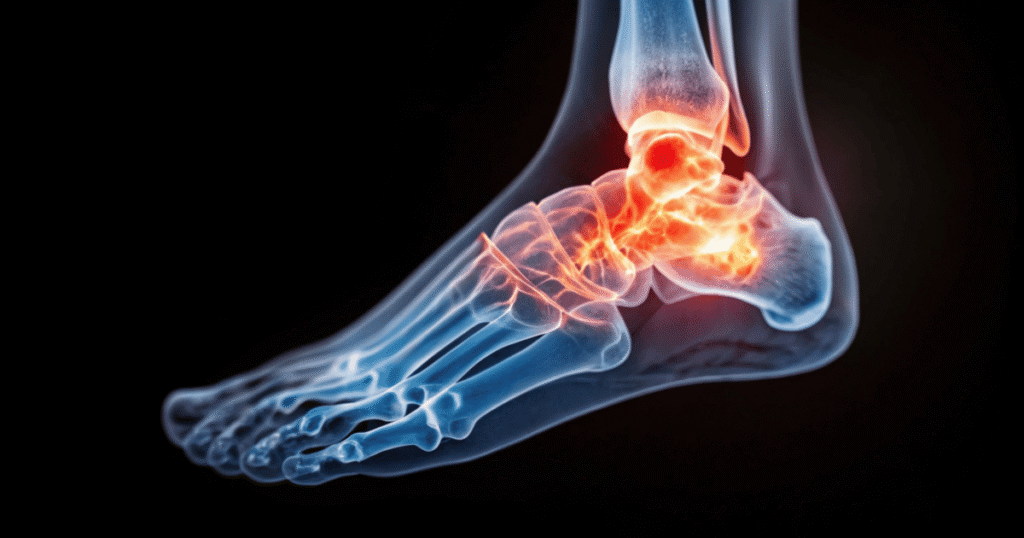
You wake up on a gray Michigan morning, and before you even look outside, you know. A storm is coming. Your knees ache. Your hands feel stiff. That familiar deep throb in your hips tells you what the weather forecast will confirm hours later. Your partner jokes that you’re more accurate than meteorologists. Your daughter rolls her eyes when you mention the storm coming tomorrow. Your previous doctor dismissed it entirely: “Weather doesn’t cause arthritis. That’s an old wives’ tale.” But you know your body. You’ve predicted rain 24 hours before the first drop falls more times than you can count. This isn’t imagination. This isn’t you being dramatic. This is real pain that happens every single time the weather changes. What if you stopped questioning whether weather affects your arthritis and started understanding why it does? What if the science actually supports what you’ve known all along? The Science Is Clear: Weather Really Does Affect Arthritis You’re not imagining it, and you’re definitely not alone. Research published in the Journal of Rheumatology found that 67 percent of people with arthritis reported weather sensitivity, with barometric pressure being the most common trigger. Multiple peer-reviewed studies confirm that barometric pressure changes, temperature drops, and humidity shifts genuinely affect inflamed joints. Your lived experience isn’t psychosomatic. It’s not coincidence. It’s not “in your head.” It’s real physiology that scientists have studied, measured, and validated. The fact that some doctors dismiss it doesn’t make it less true. It just means they haven’t kept up with the research. Multiple factors are at play when weather affects your arthritis. Temperature changes how your tissues contract and expand. Barometric pressure affects how fluids move in and around your joints. Humidity interacts with both of these. Individual sensitivity varies dramatically, which is why some people are “human barometers” while others barely notice weather changes. I treat a patient I’ll call Margaret. She’s 64, has osteoarthritis in both knees and her hands. For three years, she told me she could predict storms 48 hours before they arrived. Her daughter thought she was being dramatic. Her previous doctor told her it was impossible, that she was just noticing pain more when she expected storms. When I sat down with Margaret and explained the science of barometric pressure, how atmospheric changes cause tissue expansion, how that expansion pushes on already-inflamed nerves, she cried. Not from pain. From validation. “Someone finally believes me,” she said. We worked together on joint alignment, movement patterns, and natural anti-inflammatory strategies. She still has arthritis. The weather still affects her joints. But now she understands why it happens. She prepares before storms hit instead of being blindsided by pain. She has tools that actually work for her body. Last week she texted me: “Storm coming tomorrow, already did my warm compress and gentle movements. Ready for it this time.” That’s the difference between suffering through arthritis and managing it with informed control. How Barometric Pressure, Temperature, and Humidity Impact Your Joints Let me break down exactly what’s happening in your body when the weather changes. Barometric pressure is the weight of the atmosphere pressing down on everything, including you. Normal atmospheric pressure is about 14.7 pounds per square inch at sea level. When a storm system approaches, that pressure drops. It might not sound like much, maybe dropping to 14.5 or 14.4 pounds per square inch, but your body notices. When atmospheric pressure drops, the pressure inside your joints stays the same for a moment. This difference allows tissues to expand slightly. If you have inflammation in your joints, which arthritis causes, that inflamed tissue is already putting pressure on nearby nerves. When the tissue expands even a little bit more, it pushes harder on those nerves. More pressure on nerves equals more pain signals sent to your brain. This is why you feel storms coming 12 to 48 hours before they arrive. The barometric pressure starts dropping well before the actual rain or snow begins. Your joints are literally responding to atmospheric physics. Temperature affects arthritis through a different mechanism. Cold causes your muscles, tendons, and ligaments to contract. When these tissues contract, they pull on your joints. Cold also reduces blood flow to your extremities, especially your hands, knees, and feet. Less circulation means less oxygen and fewer nutrients reaching your joint tissues. Less blood flow also means the synovial fluid inside your joints, which lubricates them like oil in an engine, becomes thicker and less effective. Thicker fluid means more friction when you move. More friction means more discomfort. Think about how a rubber band becomes stiff and brittle when you put it in the freezer. Your connective tissues respond similarly to cold. They lose flexibility, they move less smoothly, and they’re more prone to strain when you use them. Humidity plays a supporting role. High humidity affects how tissues expand and can interact with barometric pressure changes. Some people are more sensitive to humidity than temperature. This explains why “damp cold” often feels worse than “dry cold” even at the same temperature. The moisture in the air creates additional pressure on tissues. Michigan winters create what I call the perfect storm for arthritis. We get cold temperatures plus pressure changes from frequent winter storm systems plus humidity from lake effect weather. These aren’t isolated factors. They compound each other. Your body isn’t dealing with just one stressor. It’s managing multiple simultaneous challenges to your joints. Both osteoarthritis, the wear-and-tear type that most people develop as they age, and rheumatoid arthritis, the autoimmune inflammatory type, respond to weather changes. Any condition that involves joint inflammation becomes more symptomatic when weather triggers tissue expansion and reduced circulation. As a physiology instructor at Lansing Community College and a chiropractor treating arthritis patients in Grand Ledge, I see these weather patterns affect my patients every winter. The science is clear, and so is the impact on daily life. Arthritis Weather Myths vs. Reality Let me address some myths that probably frustrate you as much

Chiropractic

Cold Weather Muscle Pain: Why Your Body Hurts in Winter (And What to Do About It

You step out of your warm car into the freezing Michigan air, and your muscles immediately tighten. Your shoulders hunch up against the cold. Your lower back aches as you walk across the icy parking lot. By the time you get inside, your whole body feels stiff and sore. This isn’t just “being cold.” This is real pain that makes simple movements difficult. Maybe you spent an hour shoveling snow yesterday, and you’re still feeling it today. Maybe your neck and shoulders are constantly tense from hunching against the wind. Maybe that heavy winter coat is throwing off your posture, and now your back is complaining. You’ve probably told yourself this is just winter. Everyone hurts when it’s cold. You need to toughen up and deal with it. After all, we live in Michigan. Winter comes every year. But what if your winter muscle pain isn’t inevitable? What if your body is trying to tell you something important? What if you could actually feel good during these long, cold months instead of just surviving until spring? Why Does Cold Weather Cause Muscle Pain? Cold weather muscle pain isn’t in your head, and it’s not a sign of weakness. There’s real physiology happening in your body when temperatures drop. Understanding why cold causes pain helps you address it effectively. When you’re exposed to cold, your body’s first priority is protecting your core organs. Your blood vessels constrict to keep warm blood near your heart, lungs, and other vital organs. This process, called vasoconstriction, means less blood flows to your muscles. Less blood means less oxygen and fewer nutrients reaching your muscle tissue. Muscles that aren’t getting adequate blood flow become tight, stiff, and more prone to injury. Your muscles also tighten to generate heat. You’ve probably noticed shivering when you’re really cold. That’s your muscles contracting rapidly to create warmth. But even before you shiver, your muscles are working harder than usual just to maintain your body temperature. This constant low-level tension builds up over hours and days, creating the persistent achiness that many people feel all winter long. Cold tissues are simply less flexible than warm tissues. Think about how a rubber band becomes brittle and less stretchy in the freezer. Your muscles, tendons, and ligaments respond similarly to cold. When these tissues are cold and stiff, sudden movements or exertion can cause strains more easily than they would in warmer weather. Your nerve endings also become more sensitive in the cold. Pain signals that your brain might ignore in summer suddenly feel more intense in winter. Your pain threshold actually lowers when you’re cold, which means the same amount of tissue stress creates more perceived pain. The Science Behind Winter Body Aches There’s another factor at play during Michigan winters that many people don’t realize. Barometric pressure changes significantly with winter weather systems, and these pressure changes affect your body. When barometric pressure drops, which often happens before a storm, the tissues in your body expand slightly. If you already have inflammation or tight muscles, that slight expansion pushes against nearby nerves. This is why some people can literally “feel a storm coming” in their muscles or joints. It’s not folklore. It’s physics affecting biology. People with arthritis often notice their symptoms worsen dramatically in winter. The combination of cold temperatures, barometric pressure changes, and reduced activity creates a perfect storm for joint pain and stiffness. Even if you don’t have diagnosed arthritis, you might have minor joint inflammation that becomes symptomatic only in winter weather. Then there’s the activity reduction factor. When it’s cold outside, most people naturally move less. We stay indoors more. We skip walks. We avoid outdoor activities. Our bodies become more sedentary during winter months. Reduced movement means muscles and joints become stiff from lack of use. But then comes the sudden intense activity. You go from sitting inside for days to shoveling heavy, wet snow for an hour. Your unprepared, sedentary muscles suddenly face intense demands. This combination of prolonged inactivity followed by sudden exertion is a recipe for injury and pain. Winter also brings specific physical stressors that people don’t always recognize. Heavy winter coats compress your shoulders and change how you carry yourself. Bulky boots alter your gait and put unusual stress on your hips, knees, and lower back. You unconsciously tense against the cold, hunching your shoulders and clenching your jaw. When you walk on ice, your body creates protective tension patterns, keeping muscles tight to help you catch yourself if you slip. All these factors compound. It’s not just one thing causing your winter muscle pain. It’s cold plus pressure changes plus reduced activity plus heavy clothing plus tension patterns plus sudden snow shoveling. Your body is trying to manage multiple stressors simultaneously, and pain is the result. As a physiology instructor at Lansing Community College and a chiropractor specializing in musculoskeletal health, I see these patterns amplify every year during Michigan winters. Your body is responding normally to abnormal levels of stress. Understanding this helps us address the problem strategically instead of just pushing through the pain. When Winter Muscle Pain Needs Professional Attention Not all winter discomfort requires professional care, but knowing the difference between normal cold-weather achiness and pain that needs attention is important. Normal winter discomfort includes brief muscle tightness that resolves once you’re warm again. Maybe you feel stiff when you first wake up, but it loosens within a few minutes of moving around. Perhaps you’re mildly sore the day after shoveling, but the soreness fades quickly. You might feel generally achy on really cold days, but it doesn’t limit what you can do. This kind of discomfort is your body’s normal response to winter conditions. However, certain signs indicate something more serious is happening. If pain persists even when you’re warm and comfortable, that’s concerning. Stiffness that lasts more than 30 minutes after waking suggests significant inflammation or joint dysfunction. Sharp, shooting pain with movement indicates possible nerve involvement or acute injury.

Chiropractic, Homeopathy Highlights

Symphysis Pubis Dysfunction During Pregnancy: What Grand Ledge Women Need to Know

You’re seven months pregnant, excited to meet your little one, but every step feels like a battle. Getting out of the car sends a sharp, shooting pain through your pelvis. Rolling over in bed makes you gasp. Even putting on pants has become a painful challenge that brings tears to your eyes. Your friends say it’s normal pregnancy discomfort. Your mom says she had it too and just pushed through. But this feels different. This isn’t the gentle ache of a growing belly or the occasional backache you expected. This is a pain that stops you mid-step, makes simple movements feel impossible, and leaves you wondering how you’ll make it through another 12 weeks. What if this pain doesn’t have to be your reality? What if there’s a name for what you’re experiencing, and more importantly, what if there’s relief available right here in Grand Ledge? What Is Symphysis Pubis Dysfunction? Symphysis Pubis Dysfunction, or SPD, is a real medical condition that affects about one in every four to five pregnant women. If you’re experiencing it, you’re not alone, you’re not being dramatic, and you’re definitely not weak. Here’s what’s happening in your body. The symphysis pubis is the joint where your two pubic bones meet at the front of your pelvis. Normally, this joint is stable and barely moves. But during pregnancy, your body releases a hormone called relaxin that loosens all your joints to prepare for delivery. This is a good thing because it allows your pelvis to expand slightly during birth. Sometimes, though, relaxin does its job a little too well. The symphysis pubis joint becomes overly loose, creating instability and inflammation. When this happens, movements that require your legs to separate or your pelvis to shift weight unevenly can cause sharp, debilitating pain. SPD usually shows up during the second or third trimester when your baby gets bigger and heavier. The extra weight, combined with the loose joint, creates a perfect storm for pain and discomfort. Certain factors make SPD more likely, including previous pelvic injuries, how your baby is positioned, your pelvic alignment before pregnancy, and even how you move throughout your day. As both a chiropractor specializing in prenatal care and an instructor of physiology at Lansing Community College, I see this pattern frequently in my Grand Ledge practice. The good news is that understanding what’s happening in your body is the first step toward finding relief. Recognizing the Signs of SPD During Pregnancy How do you know if what you’re experiencing is SPD or just typical pregnancy discomfort? Here are the signs that point specifically to Symphysis Pubis Dysfunction. The hallmark symptom is sharp, shooting pain in the pubic bone area, right at the front and center of your pelvis. This pain often radiates out to your hips, lower back, or inner thighs. You might feel a clicking, grinding, or popping sensation when you move your legs. Some women describe it as feeling like their pelvis is separating or unstable, which is actually pretty accurate to what’s happening. Your walk might change too. You develop a painful waddle that’s different from the typical pregnancy waddle. This isn’t just about your belly throwing off your balance. This waddle happens because you’re instinctively trying to avoid movements that trigger pain. Daily activities become surprisingly difficult. Getting out of the car requires carefully keeping your knees together. Putting on pants or underwear while standing on one leg is nearly impossible. Climbing stairs feels like climbing a mountain. Rolling over in bed at night wakes you up with sharp pain. Even separating your legs slightly to get dressed can cause intense discomfort. The pain is often worse at night and can seriously disrupt your sleep. You might find that certain positions provide relief, but changing positions to find that relief causes pain. It’s a frustrating cycle that leaves many women exhausted. Here’s what makes SPD worse. Activities that require you to separate your legs, like getting in and out of cars, putting on shoes, or even just walking with a normal stride. Uneven weight distribution, like standing on one leg or carrying heavy items on one side. Twisting movements, especially combined with lifting. Standing for long periods without support. If you’ve had previous pelvic injuries or alignment issues, those can make SPD more likely and more severe. When should you seek help? Don’t wait until you’re in tears or until the pain is unbearable. If the pain interferes with your daily activities, disrupts your sleep, makes walking difficult, or doesn’t improve with rest, it’s time to get support. You deserve to enjoy your pregnancy, and help is available. How Prenatal Chiropractic Care Helps SPD Chiropractic care offers a natural, effective approach to managing Symphysis Pubis Dysfunction by addressing the root cause rather than just masking symptoms. Let me explain how and why it works. The foundation of chiropractic care for SPD is restoring proper pelvic alignment and stability. When your pelvis is misaligned, it puts uneven stress on the symphysis pubis joint. This makes the instability worse and increases inflammation. Gentle chiropractic adjustments realign your pelvis so that your body weight distributes evenly across all your pelvic joints instead of concentrating stress in one area. These adjustments also reduce inflammation and nerve irritation in the affected area. When joints are properly aligned, they move more smoothly with less friction and pressure. This allows your body’s natural healing processes to reduce swelling and calm irritated nerves. The result is less pain and better function. What makes prenatal chiropractic care different from regular chiropractic? Everything about the approach is modified for pregnancy. We use specialized tables designed for pregnant bodies so you can lie comfortably without pressure on your belly. The techniques are gentle and low-force, never involving twisting or forceful manipulation. We focus specifically on pelvic stability, sacroiliac joint function, and supporting your body’s natural preparation for birth. Here’s something important. We never use forceful manipulation or what some people call “cracking.” Instead, we use gentle adjustments

Chiropractic

How to Survive Holiday Back Pain: Relief for Cooking, Travel & Stress

You just finished hosting Thanksgiving. You spent hours in the kitchen cooking. You bent over the oven a hundred times. You lifted heavy dishes. You stood at the counter chopping, stirring, preparing. And now? Your lower back is screaming. Your neck is stiff. Your shoulders are tight. And you’re only getting started. Now you’re facing another month of this. More cooking. More shopping. More carrying bags. More decorating. More hosting. More bending, lifting, standing, and stressing. Your back already hurts, and you have Christmas, Hanukkah, New Year’s, and all the gatherings in between. Here’s what I want you to know: you don’t have to suffer through the holidays in pain. You do so much for everyone else. You make the holidays magical for your family. You deserve to actually enjoy them, not just survive them. I’m Dr. Andrea L. Herrst, a chiropractor specializing in women’s health in Grand Ledge, Michigan. I help women get through the holidays without back pain taking over their lives. In this article, I’m going to share five ways to relieve holiday back pain so you can actually enjoy this season. Why the Holidays Wreck Your Back (And It’s Not Just the Cooking) The holidays aren’t just mentally stressful. They’re physically demanding. Think about what your body actually does during the holidays: hours of standing while cooking, bending over to check the oven, lifting heavy pots and roasting pans, carrying shopping bags, decorating (reaching overhead), cleaning (bending, scrubbing), and if you have kids or grandkids, lifting and carrying them. That’s a lot of physical work packed into a few weeks. But here’s what most people don’t realize: stress makes your back pain worse. As a chiropractor and physiology instructor at Lansing Community College, I teach my students how stress affects the entire body. When you’re stressed, your muscles tighten. Your shoulders creep up toward your ears. Your jaw clenches. Your breathing gets shallow. All of this tension creates or worsens back pain. The holidays are a perfect storm for back pain: physical demands plus emotional stress plus irregular sleep plus probably eating foods that cause inflammation. Your body is working overtime. Your back takes the brunt of it. And women especially bear this burden because you’re doing most of the cooking, shopping, wrapping, hosting, and emotional labor that makes holidays happen. The good news? Once you understand what’s causing your holiday back pain, you can do something about it. These aren’t permanent problems. They’re temporary stresses that your body is reacting to. And with a few strategic changes, you can get relief quickly. 5 Ways to Relieve Holiday Back Pain (So You Can Actually Enjoy the Season) You don’t need to wait until January to feel better. You don’t need to just “push through” another month of pain. Here are five strategies that provide real relief during the holiday season. 1. Get Chiropractic Care for Fast, Lasting Relief This is the most effective solution for holiday back pain, and here’s why: chiropractic adjustments address the root cause of your pain, not just the symptoms. When your spine and pelvis are properly aligned, your muscles can relax. Your nervous system functions better. Pain reduces quickly, often after just one or two visits. Holiday back pain often comes from your body compensating for all the extra physical demands. You’re standing differently in the kitchen. You’re tensing up from stress. You’re holding your shoulders tight. Gentle chiropractic adjustments restore proper alignment and let your body relax. Many of my patients feel immediate relief. A quick note about timing: If you’ve met your health insurance deductible this year, now might be a good time to get care before January 1st when it resets. Even though I operate a cash-based practice (I don’t accept insurance directly), some patients can submit receipts for possible out-of-network reimbursement. I specialize in women’s health, so I understand the unique physical demands women face during the holidays. I use gentle techniques tailored to your body and your comfort level. No forceful adjustments, no aggressive techniques. Just careful, effective care that helps you feel better quickly so you can enjoy your holidays. What to do: If you’re dealing with holiday back pain right now, don’t wait. The sooner you address it, the more of the holiday season you’ll actually enjoy pain-free. Schedule a consultation → 2. Protect Your Back While Cooking Holiday cooking means hours standing at the counter. This puts constant pressure on your lower back. Your back muscles get tired. Your spine compresses. Pain sets in. Here’s how to protect your back while cooking: Keep one foot slightly elevated. Use a small stool or step. This takes pressure off your lower back immediately. Switch which foot is elevated every 10-15 minutes. This prevents one side from getting tired. Stand close to the counter. Don’t lean forward. Leaning puts extra strain on your back. Bend your knees when lifting heavy pots. Never bend at the waist. Your legs are stronger than your back. Take breaks to stretch every 30 minutes. Roll your shoulders. Bend side to side. Walk around the kitchen. Your back needs these micro-breaks. These small changes reduce the constant pressure on your lower back. Your muscles don’t have to work as hard. You can cook for hours without the usual pain. What to do: Tonight when you’re making dinner, try the elevated foot trick. You’ll notice a difference immediately. 3. Lift and Carry Without Hurting Your Back The holidays mean lots of lifting: shopping bags, grocery bags, presents, serving dishes, decorations, kids, grandkids. All of this adds up to back strain. Here’s how to lift safely: Bend your knees, not your back. Squat down to pick things up. Keep your back straight. Hold items close to your body. The farther away from your body, the more strain on your back. Don’t twist while carrying. Turn your whole body. Twisting while loaded is how back injuries happen. Make multiple trips. Pride isn’t worth back pain. Two light trips are better than one heavy

Woman experiencing holiday back pain from cooking and stress
Chiropractic

How to Survive Holiday Back Pain: Relief for Cooking, Travel & Stress

You just finished hosting Thanksgiving. You spent hours in the kitchen cooking. You bent over the oven a hundred times. You lifted heavy dishes. You stood at the counter chopping, stirring, preparing. And now? Your lower back is screaming. Your neck is stiff. Your shoulders are tight. And you’re only getting started. Now you’re facing another month of this. More cooking. More shopping. More carrying bags. More decorating. More hosting. More bending, lifting, standing, and stressing. Your back already hurts, and you have Christmas, Hanukkah, New Year’s, and all the gatherings in between. Here’s what I want you to know: you don’t have to suffer through the holidays in pain. You do so much for everyone else. You make the holidays magical for your family. You deserve to actually enjoy them, not just survive them. I’m Dr. Andrea L. Herrst, a chiropractor specializing in women’s health in Grand Ledge, Michigan. I help women get through the holidays without back pain taking over their lives. In this article, I’m going to share five ways to relieve holiday back pain so you can actually enjoy this season. Why the Holidays Wreck Your Back (And It’s Not Just the Cooking) The holidays aren’t just mentally stressful. They’re physically demanding. Think about what your body actually does during the holidays: hours of standing while cooking, bending over to check the oven, lifting heavy pots and roasting pans, carrying shopping bags, decorating (reaching overhead), cleaning (bending, scrubbing), and if you have kids or grandkids, lifting and carrying them. That’s a lot of physical work packed into a few weeks. But here’s what most people don’t realize: stress makes your back pain worse. As a chiropractor and physiology instructor at Lansing Community College, I teach my students how stress affects the entire body. When you’re stressed, your muscles tighten. Your shoulders creep up toward your ears. Your jaw clenches. Your breathing gets shallow. All of this tension creates or worsens back pain. The holidays are a perfect storm for back pain: physical demands plus emotional stress plus irregular sleep plus probably eating foods that cause inflammation. Your body is working overtime. Your back takes the brunt of it. And women especially bear this burden because you’re doing most of the cooking, shopping, wrapping, hosting, and emotional labor that makes holidays happen. The good news? Once you understand what’s causing your holiday back pain, you can do something about it. These aren’t permanent problems. They’re temporary stresses that your body is reacting to. And with a few strategic changes, you can get relief quickly. 5 Ways to Relieve Holiday Back Pain (So You Can Actually Enjoy the Season) You don’t need to wait until January to feel better. You don’t need to just “push through” another month of pain. Here are five strategies that provide real relief during the holiday season. 1. Get Chiropractic Care for Fast, Lasting Relief This is the most effective solution for holiday back pain, and here’s why: chiropractic adjustments address the root cause of your pain, not just the symptoms. When your spine and pelvis are properly aligned, your muscles can relax. Your nervous system functions better. Pain reduces quickly, often after just one or two visits. Holiday back pain often comes from your body compensating for all the extra physical demands. You’re standing differently in the kitchen. You’re tensing up from stress. You’re holding your shoulders tight. Gentle chiropractic adjustments restore proper alignment and let your body relax. Many of my patients feel immediate relief. A quick note about timing: If you’ve met your health insurance deductible this year, now might be a good time to get care before January 1st when it resets. Even though I operate a cash-based practice (I don’t accept insurance directly), some patients can submit receipts for possible out-of-network reimbursement. I specialize in women’s health, so I understand the unique physical demands women face during the holidays. I use gentle techniques tailored to your body and your comfort level. No forceful adjustments, no aggressive techniques. Just careful, effective care that helps you feel better quickly so you can enjoy your holidays. What to do: If you’re dealing with holiday back pain right now, don’t wait. The sooner you address it, the more of the holiday season you’ll actually enjoy pain-free. Schedule a consultation → 2. Protect Your Back While Cooking Holiday cooking means hours standing at the counter. This puts constant pressure on your lower back. Your back muscles get tired. Your spine compresses. Pain sets in. Here’s how to protect your back while cooking: Keep one foot slightly elevated. Use a small stool or step. This takes pressure off your lower back immediately. Switch which foot is elevated every 10-15 minutes. This prevents one side from getting tired. Stand close to the counter. Don’t lean forward. Leaning puts extra strain on your back. Bend your knees when lifting heavy pots. Never bend at the waist. Your legs are stronger than your back. Take breaks to stretch every 30 minutes. Roll your shoulders. Bend side to side. Walk around the kitchen. Your back needs these micro-breaks. These small changes reduce the constant pressure on your lower back. Your muscles don’t have to work as hard. You can cook for hours without the usual pain. What to do: Tonight when you’re making dinner, try the elevated foot trick. You’ll notice a difference immediately. 3. Lift and Carry Without Hurting Your Back The holidays mean lots of lifting: shopping bags, grocery bags, presents, serving dishes, decorations, kids, grandkids. All of this adds up to back strain. Here’s how to lift safely: Bend your knees, not your back. Squat down to pick things up. Keep your back straight. Hold items close to your body. The farther away from your body, the more strain on your back. Don’t twist while carrying. Turn your whole body. Twisting while loaded is how back injuries happen. Make multiple trips. Pride isn’t worth back pain. Two light trips are better than one heavy

Woman preparing body for natural fertility and conception naturally
Chiropractic

How to Improve Fertility Naturally: 5 Holistic Approaches

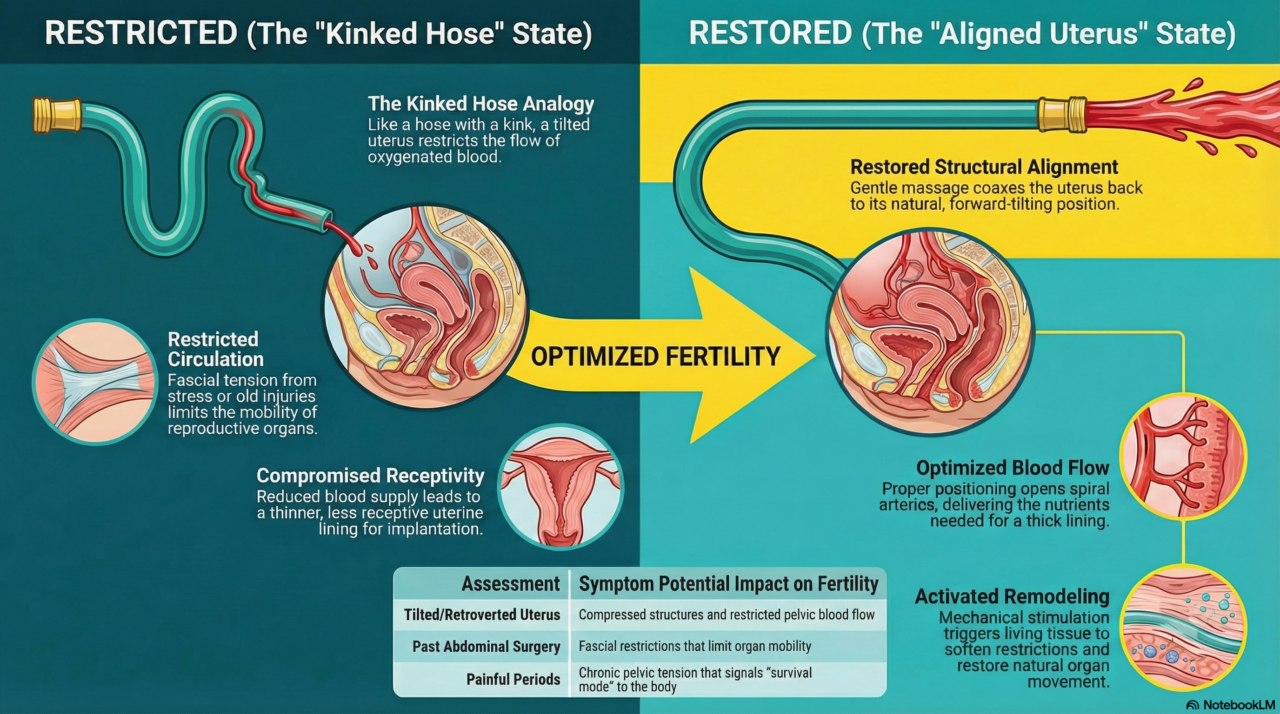
You’ve been trying for months. Maybe even a year or more. Every month, you hope. You track ovulation, take vitamins, time everything perfectly. And every month, you’re disappointed. You’re starting to wonder if something is wrong. You’re starting to feel alone. When you talk to your doctor, they say “just relax” or “keep trying” or “come back in a year.” If you’re over 35, they push IVF immediately. But you’re not ready for that. You want to try natural approaches first. You want to understand what’s happening in your body. The good news is there are natural ways to improve your fertility. Ways that support your body’s natural ability to conceive. As a chiropractor specializing in women’s health and a physiology instructor at Lansing Community College, I help women understand how their bodies work and what they can do to optimize fertility naturally. In this article, I’m going to share five holistic approaches that support natural fertility. These aren’t quick fixes or miracle cures. They’re evidence-based strategies that address the root causes of fertility challenges and help your body function the way it’s designed to. What Most Doctors Don’t Tell You About Fertility When most people think about fertility, they think about hormones. Estrogen, progesterone, LH, FSH. And yes, hormones matter. But here’s what many doctors don’t explain: your nervous system controls your hormones. Your nervous system has two modes: rest-and-digest and fight-or-flight. When you’re stressed (physically or emotionally), your body goes into fight-or-flight mode. And in that mode, reproduction is not a priority. Your body thinks “I need to survive right now, not make a baby.” As a physiology instructor, I teach my students how the hypothalamus-pituitary-ovarian axis works. The hypothalamus in your brain sends signals to your pituitary gland, which tells your ovaries what to do. But when your nervous system is stuck in stress mode, those signals get disrupted. Your hormones get out of balance. Ovulation becomes irregular or stops. This is why a holistic approach to fertility works. It’s not just about taking supplements or timing intercourse. It’s about creating an environment in your body where reproduction can happen naturally. That means addressing your nervous system, reducing physical and emotional stress, and supporting your body’s natural rhythms. Here’s what you need to understand: Your body already knows how to get pregnant. We just need to remove the obstacles that are getting in the way. 5 Natural Ways to Improve Fertility These five approaches work together to support your body’s natural fertility. You don’t have to do all of them perfectly. Start with one or two that resonate with you, and build from there. 1. Optimize Your Nervous System with Chiropractic Care This might surprise you, but chiropractic care can significantly impact fertility. Here’s why: Your spine protects your spinal cord, which is the main highway for nerve signals between your brain and your reproductive organs. When vertebrae in your spine are misaligned, it can interfere with those nerve signals. Gentle chiropractic adjustments restore proper alignment to your spine and pelvis. This takes pressure off nerves and allows your nervous system to function optimally. When your nervous system works better, your hormones balance naturally. Your menstrual cycles become more regular. Your body creates the right environment for conception. The research backs this up. Studies have shown that women receiving chiropractic care experience improved cycle regularity and increased conception rates. One study found that women with infertility who received chiropractic care had a significantly higher pregnancy rate compared to those who didn’t. Pelvic alignment is especially important for fertility. When your pelvis is balanced, your uterus has optimal positioning. Blood flow to reproductive organs improves. Nerve function is restored. All of this creates a better environment for conception and implantation. Think of it this way: if the wiring in your house is damaged, the lights won’t work properly. It doesn’t matter how many new lightbulbs you put in. You need to fix the wiring. Your nervous system is the wiring. Chiropractic care helps fix it. What to do: If you’re trying to conceive, consider seeing a chiropractor who specializes in women’s health and fertility. Look for someone who uses gentle techniques and understands the connection between the nervous system and reproductive function. I offer Natural Fertility Enhancement as part of my practice, combining chiropractic care with other holistic approaches tailored to each woman’s needs. Learn more about chiropractic care → 2. Support Hormonal Balance Through Nutrition What you eat directly impacts your hormones. Your body needs specific nutrients to produce healthy eggs, maintain regular cycles, and create the right hormonal environment for pregnancy. Focus on these fertility-supporting nutrients: Folate (not just folic acid supplements) Dark leafy greens, beans, lentils, citrus fruits, asparagus. Folate is crucial for egg quality and early fetal development. Omega-3 fatty acids Wild salmon, sardines, flaxseeds, walnuts, chia seeds. These healthy fats support hormone production and reduce inflammation. Antioxidants Berries, colorful vegetables, green tea, dark chocolate. Antioxidants protect eggs from damage and improve egg quality. Healthy fats Avocados, olive oil, nuts, seeds. Your body needs fat to produce hormones. Don’t be afraid of healthy fats. Quality protein Grass-fed meat, wild fish, pastured eggs, legumes. Protein provides the building blocks for hormones and supports stable blood sugar. What to limit or avoid: Just as important as what you eat is what you don’t eat. These foods can disrupt your hormones and interfere with fertility: Processed foods and refined sugars (cause hormone imbalances) Trans fats (interfere with ovulation) Excessive caffeine (can affect conception rates) Alcohol (even moderate amounts can impact fertility) Blood sugar balance is crucial for hormonal balance. Eat protein with every meal. Include healthy fats. Avoid skipping meals. This helps prevent insulin spikes that can disrupt reproductive hormones and interfere with ovulation. What to do: Start by adding one fertility-supporting food to each meal. Swap your morning cereal for eggs with vegetables. Add salmon to your lunch salad. Snack on nuts instead of crackers. Small, consistent changes add up to big improvements in hormonal

Chiropractic

How to Relieve Sciatica During Pregnancy: Natural Solutions That Actually Work

You’re in the kitchen making breakfast. You bend down to get a pan from the lower cabinet. Then it happens. A sharp, burning pain shoots down your right leg like lightning. It takes your breath away. You grab the counter to steady yourself. This isn’t the first time. It happened yesterday when you got out of bed. And the day before when you stood up from the couch. Your doctor says it’s sciatica. They tell you it’s normal during pregnancy. “Just part of the process,” they said. They told you to take Tylenol and rest. But here’s the thing. The Tylenol barely touches the pain. And rest? You still have to work, take care of your family, and get through each day. You can’t just “rest” for the next four months. You’re scared this is your life until the baby comes. You’re worried it might get worse. And you’re frustrated because everyone keeps saying “it’s normal” like that’s supposed to make you feel better. What if I told you it doesn’t have to be this way? What if I told you there are safe, natural ways to relieve sciatica during pregnancy that actually work? You don’t have to just push through the pain. You don’t have to accept this as “normal pregnancy stuff.” And you definitely don’t have to wait until after your baby is born to feel better. In this article, I’m going to show you exactly why sciatica happens during pregnancy and what you can do about it. By the end, you’ll understand what’s causing your pain and know exactly how to get relief. Let’s start with what your doctor probably didn’t tell you. Here’s What Most Doctors Don’t Tell You About Sciatica During Pregnancy Your OB was right about one thing. Sciatica during pregnancy is common. It happens to about half of all pregnant women. But here’s what they probably didn’t explain. Sciatica isn’t caused by your baby pressing on a nerve. I know that’s what most people think. And yes, sometimes your baby’s position can make it worse. But that’s not the real problem. The real problem is your pelvis. Let me explain what’s actually happening in your body right now. Your Body Is Playing a Balancing Act (And Losing) When you got pregnant, your body started making a hormone called relaxin. This hormone has one job: loosen up your joints and ligaments so your pelvis can open during birth. That’s great for delivery day. But it creates a big problem for the next nine months. Your pelvis is supposed to be stable. It’s the foundation for your whole spine. But relaxin makes all those joints loose and wobbly. Now add this: your belly is growing. Every week, there’s more weight pulling you forward. Your body tries to balance by leaning back. Your lower back curves more than it should. Here’s what happens next. Your pelvis tilts. Your spine shifts. And a big nerve called the sciatic nerve gets squeezed. The sciatic nerve is the biggest nerve in your body. It runs from your lower back, through your hips, and all the way down each leg. When something presses on that nerve, you feel it. Sharp pain. Burning. Tingling. Sometimes numbness. That’s sciatica. And here’s the part most doctors don’t tell you: It’s not about your baby’s weight. It’s about your pelvis being out of balance. This is actually good news. Because if the problem is your pelvis, we can do something about it. What Sciatica Feels Like (And When It Usually Starts) Before we talk about solutions, let’s make sure we’re talking about the same thing. Sciatica during pregnancy usually feels like: Sharp, shooting pain down one leg (usually just one side) Burning or tingling in your leg or foot Numbness or weakness in your leg Pain that gets worse when you sit for a long time Pain that gets worse when you stand up or change positions Trouble walking or moving around For most women, sciatica starts in the second or third trimester. That’s usually around week 20 to week 40. But here’s the thing. It doesn’t have to start then. If you had back problems before pregnancy, you might feel it earlier. And it often gets worse as your baby grows and gains weight. Some days might be better than others. Your baby moves around, and that can change how much pressure is on the nerve. The 7 Natural Ways to Get Relief Okay, let’s talk about what actually helps. I’m going to give you seven methods. Some will help right away. Some take a little longer. And one of them addresses the real cause of your pain. Let’s start with that one. Method #1: Pregnancy Chiropractic Care (The Most Effective Solution) Here’s why I’m starting with this one. Everything else on this list helps with the pain. But only chiropractic care fixes the actual problem. Remember what I said? The problem is your pelvis being out of balance. That’s exactly what pregnancy chiropractic care fixes. Here’s how it works. A chiropractor who specializes in pregnancy uses gentle techniques to realign your pelvis. When your pelvis is balanced, it takes pressure off the sciatic nerve. The pain goes away because the cause of the pain is gone. “But isn’t chiropractic care scary during pregnancy?” I get this question all the time. And the answer is no. Not when it’s done by someone trained in pregnancy care. Pregnancy chiropractic is nothing like regular chiropractic. You don’t lie on your stomach. There’s no twisting or forceful movements. Everything is gentle and safe for you and your baby. We use special pillows that support your belly. We use techniques designed specifically for pregnant bodies. And we focus on your pelvis because that’s where the problem is. Here’s what research shows: Studies have found that chiropractic care during pregnancy is safe and effective. Women who get chiropractic care have less pain. They move better. They sleep better. And many of them have easier births. Here’s what

Chiropractic

Is Chiropractic Care Safe During Pregnancy? What Every Expecting Mom Should Know

You’re growing a human being. Your body is doing something absolutely incredible, and you’re feeling every bit of it. The lower back pain that makes it hard to get out of bed. The sciatica shooting down your leg when you stand up. The round ligament pain that catches you off guard. The headaches that won’t quit. Your OB says it’s “normal.” Your friends say to just push through it. But here’s what you’re really wondering: Is there a safe way to get relief without medications or interventions that could affect your baby? The answer is yes. And it’s likely closer than you think. In this article, I’ll walk you through everything you need to know about chiropractic care during pregnancy, why it’s not only safe but beneficial, and how it can help you have a more comfortable pregnancy and potentially an easier birth. By the end, you’ll understand exactly how chiropractic supports your changing body and whether it’s right for you. Why Pregnant Women Seek Chiropractic Care (And Why It Works) Let’s start with what’s actually happening in your body right now. During pregnancy, your body releases a hormone called relaxin. Its job is to loosen your ligaments and joints to prepare your pelvis for birth. That’s wonderful for delivery, but it also means your body loses some of its normal stability. Your center of gravity shifts forward as your belly grows, your posture changes, and your spine works overtime to compensate. The result? Pain. Discomfort. Misalignment. Here’s what most pregnant women experience: Lower back pain (reported by 50-70% of pregnant women) Sciatica (sharp pain radiating down the leg) Round ligament pain (sharp pains in the abdomen) Pelvic pain and instability Headaches and neck tension Hip pain that makes sleeping difficult Traditional medicine often says, “It’s just part of pregnancy. Take Tylenol and rest.” But that doesn’t address the root cause, which is often pelvic misalignment and nervous system stress. This is where chiropractic care during pregnancy becomes so valuable. Gentle chiropractic adjustments help restore proper alignment to your spine and pelvis, taking pressure off your nerves, reducing inflammation, and allowing your body to function the way it’s designed to, even under the stress of pregnancy. The Webster Technique: Specialized Care for Pregnant Women Not all chiropractic care is the same, especially during pregnancy. The Webster Technique is a specific chiropractic analysis and adjustment designed for pregnant women. It focuses on reducing tension and imbalance in the pelvis, which can affect the position of the baby and the ease of labor. Here’s what makes the Webster Technique different: It’s gentle. There’s no forceful adjusting or twisting. The technique uses light pressure and specific positioning to help your pelvis stay balanced. It’s safe. The Webster Technique has been used successfully for decades by chiropractors who specialize in prenatal care. It’s recognized by the International Chiropractic Pediatric Association (ICPA) and taught to chiropractors who pursue additional training in pregnancy and pediatric care. It supports optimal fetal positioning. When your pelvis is balanced, your baby has more room to move into the ideal position for birth (head down, facing your back). This can reduce the likelihood of breech or posterior positions, which can complicate labor. It can make labor easier. Studies have shown that women who receive chiropractic care during pregnancy often report shorter labor times and less need for interventions. I’m certified in the Webster Technique because I’ve seen firsthand how it helps women have more comfortable pregnancies and more empowering birth experiences. It’s not about forcing anything. It’s about removing interference so your body can do what it already knows how to do. What the Research Says About Chiropractic Care During Pregnancy If you’re like most expectant moms, you’re cautious about everything you put in or on your body. You read labels. You ask questions. You want evidence. So let’s talk about what the research actually says. Multiple studies have shown that chiropractic care during pregnancy is: Safe. A 2014 study published in the Journal of Manipulative and Physiological Therapeutics found that adverse events from chiropractic care during pregnancy are extremely rare, and when they do occur, they’re mild and temporary (like soreness). Effective for pain relief. Research shows that chiropractic care significantly reduces lower back pain, pelvic pain, and sciatica in pregnant women without the use of medications. Associated with shorter labor times. A study found that first-time mothers who received chiropractic care throughout pregnancy had an average labor time of 6 hours, compared to 9 hours for those who didn’t receive chiropractic care. Beneficial for overall pregnancy wellness. Beyond pain relief, many women report better sleep, improved mood, less nausea, and more energy when receiving regular chiropractic care. Important note: Chiropractic adjustments during pregnancy are modified to ensure your comfort and safety. You’ll never be asked to lie flat on your stomach. Special pregnancy pillows and positioning are used to accommodate your growing belly while still allowing effective adjustments. Common Questions About Chiropractic Care During Pregnancy “When can I start chiropractic care during pregnancy?” You can begin chiropractic care at any point during your pregnancy. Some women start in the first trimester to manage nausea and fatigue. Others come in during the second or third trimester when pain and discomfort increase. Ideally, starting early allows your body to stay balanced as it changes, but it’s never too late to start. “Will adjustments hurt my baby?” No. Chiropractic adjustments are focused on your spine and pelvis, not on your baby. The techniques used during pregnancy are extremely gentle and designed specifically for the safety of both you and your baby. In fact, by reducing stress on your nervous system and improving pelvic alignment, chiropractic care creates a better environment for your baby. “How often should I see a chiropractor during pregnancy?” This depends on your specific needs. Some women benefit from weekly visits, especially in the third trimester. Others may only need adjustments every two to three weeks. During your initial consultation, we’ll create a care plan that makes

Scroll to Top