
Cold Weather Muscle Pain: Why Your Body Hurts in Winter (And What to Do About It
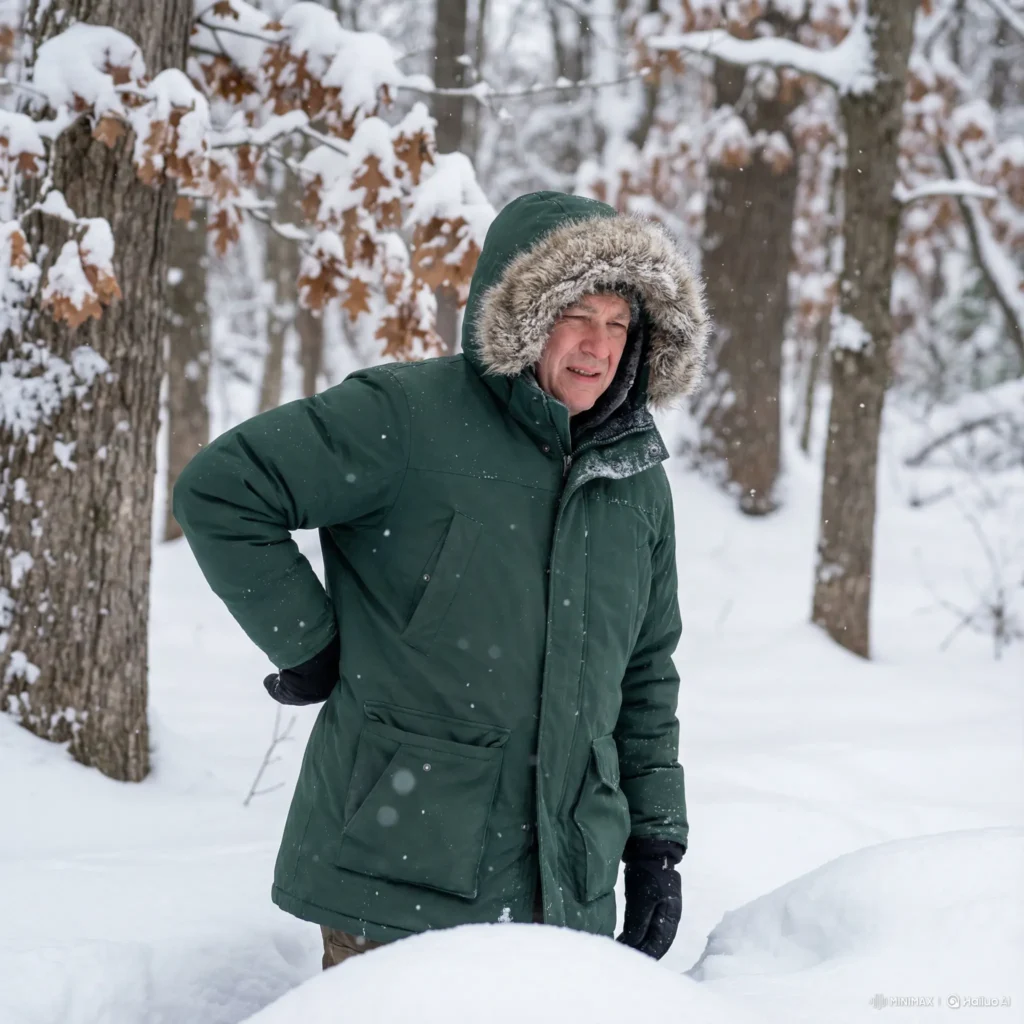
You step out of your warm car into the freezing Michigan air, and your muscles immediately tighten. Your shoulders hunch up against the cold. Your lower back aches as you walk across the icy parking lot. By the time you get inside, your whole body feels stiff and sore. This isn’t just “being cold.” This is real pain that makes simple movements difficult. Maybe you spent an hour shoveling snow yesterday, and you’re still feeling it today. Maybe your neck and shoulders are constantly tense from hunching against the wind. Maybe that heavy winter coat is throwing off your posture, and now your back is complaining. You’ve probably told yourself this is just winter. Everyone hurts when it’s cold. You need to toughen up and deal with it. After all, we live in Michigan. Winter comes every year. But what if your winter muscle pain isn’t inevitable? What if your body is trying to tell you something important? What if you could actually feel good during these long, cold months instead of just surviving until spring? Why Does Cold Weather Cause Muscle Pain? Cold weather muscle pain isn’t in your head, and it’s not a sign of weakness. There’s real physiology happening in your body when temperatures drop. Understanding why cold causes pain helps you address it effectively. When you’re exposed to cold, your body’s first priority is protecting your core organs. Your blood vessels constrict to keep warm blood near your heart, lungs, and other vital organs. This process, called vasoconstriction, means less blood flows to your muscles. Less blood means less oxygen and fewer nutrients reaching your muscle tissue. Muscles that aren’t getting adequate blood flow become tight, stiff, and more prone to injury. Your muscles also tighten to generate heat. You’ve probably noticed shivering when you’re really cold. That’s your muscles contracting rapidly to create warmth. But even before you shiver, your muscles are working harder than usual just to maintain your body temperature. This constant low-level tension builds up over hours and days, creating the persistent achiness that many people feel all winter long. Cold tissues are simply less flexible than warm tissues. Think about how a rubber band becomes brittle and less stretchy in the freezer. Your muscles, tendons, and ligaments respond similarly to cold. When these tissues are cold and stiff, sudden movements or exertion can cause strains more easily than they would in warmer weather. Your nerve endings also become more sensitive in the cold. Pain signals that your brain might ignore in summer suddenly feel more intense in winter. Your pain threshold actually lowers when you’re cold, which means the same amount of tissue stress creates more perceived pain. The Science Behind Winter Body Aches There’s another factor at play during Michigan winters that many people don’t realize. Barometric pressure changes significantly with winter weather systems, and these pressure changes affect your body. When barometric pressure drops, which often happens before a storm, the tissues in your body expand slightly. If you already have inflammation or tight muscles, that slight expansion pushes against nearby nerves. This is why some people can literally “feel a storm coming” in their muscles or joints. It’s not folklore. It’s physics affecting biology. People with arthritis often notice their symptoms worsen dramatically in winter. The combination of cold temperatures, barometric pressure changes, and reduced activity creates a perfect storm for joint pain and stiffness. Even if you don’t have diagnosed arthritis, you might have minor joint inflammation that becomes symptomatic only in winter weather. Then there’s the activity reduction factor. When it’s cold outside, most people naturally move less. We stay indoors more. We skip walks. We avoid outdoor activities. Our bodies become more sedentary during winter months. Reduced movement means muscles and joints become stiff from lack of use. But then comes the sudden intense activity. You go from sitting inside for days to shoveling heavy, wet snow for an hour. Your unprepared, sedentary muscles suddenly face intense demands. This combination of prolonged inactivity followed by sudden exertion is a recipe for injury and pain. Winter also brings specific physical stressors that people don’t always recognize. Heavy winter coats compress your shoulders and change how you carry yourself. Bulky boots alter your gait and put unusual stress on your hips, knees, and lower back. You unconsciously tense against the cold, hunching your shoulders and clenching your jaw. When you walk on ice, your body creates protective tension patterns, keeping muscles tight to help you catch yourself if you slip. All these factors compound. It’s not just one thing causing your winter muscle pain. It’s cold plus pressure changes plus reduced activity plus heavy clothing plus tension patterns plus sudden snow shoveling. Your body is trying to manage multiple stressors simultaneously, and pain is the result. As a physiology instructor at Lansing Community College and a chiropractor specializing in musculoskeletal health, I see these patterns amplify every year during Michigan winters. Your body is responding normally to abnormal levels of stress. Understanding this helps us address the problem strategically instead of just pushing through the pain. When Winter Muscle Pain Needs Professional Attention Not all winter discomfort requires professional care, but knowing the difference between normal cold-weather achiness and pain that needs attention is important. Normal winter discomfort includes brief muscle tightness that resolves once you’re warm again. Maybe you feel stiff when you first wake up, but it loosens within a few minutes of moving around. Perhaps you’re mildly sore the day after shoveling, but the soreness fades quickly. You might feel generally achy on really cold days, but it doesn’t limit what you can do. This kind of discomfort is your body’s normal response to winter conditions. However, certain signs indicate something more serious is happening. If pain persists even when you’re warm and comfortable, that’s concerning. Stiffness that lasts more than 30 minutes after waking suggests significant inflammation or joint dysfunction. Sharp, shooting pain with movement indicates possible nerve involvement or acute injury.