chiropractor

Chiropractic

Craniosacral Therapy: What a Chiropractic Physician Uses When Your Nervous System Needs More Than an Adjustment

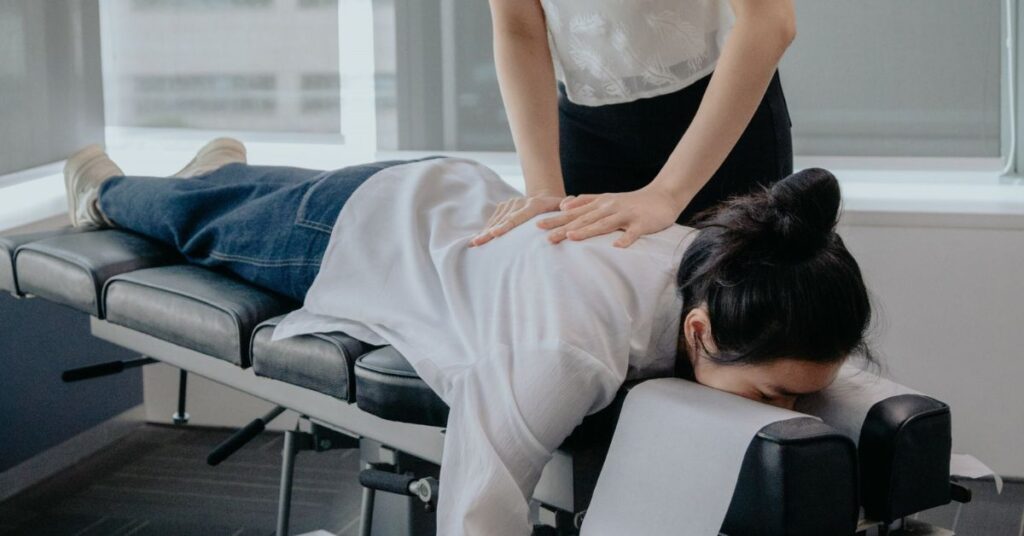
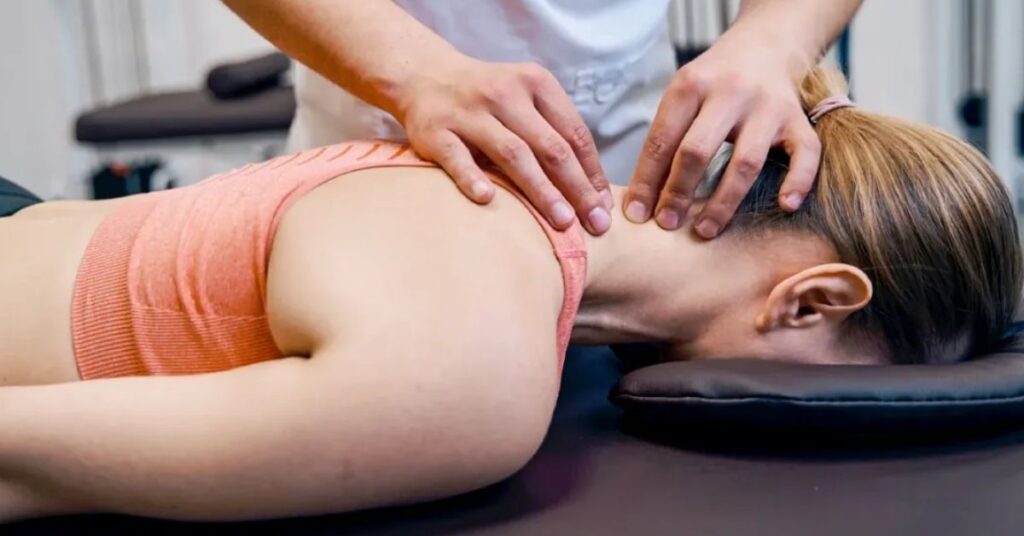
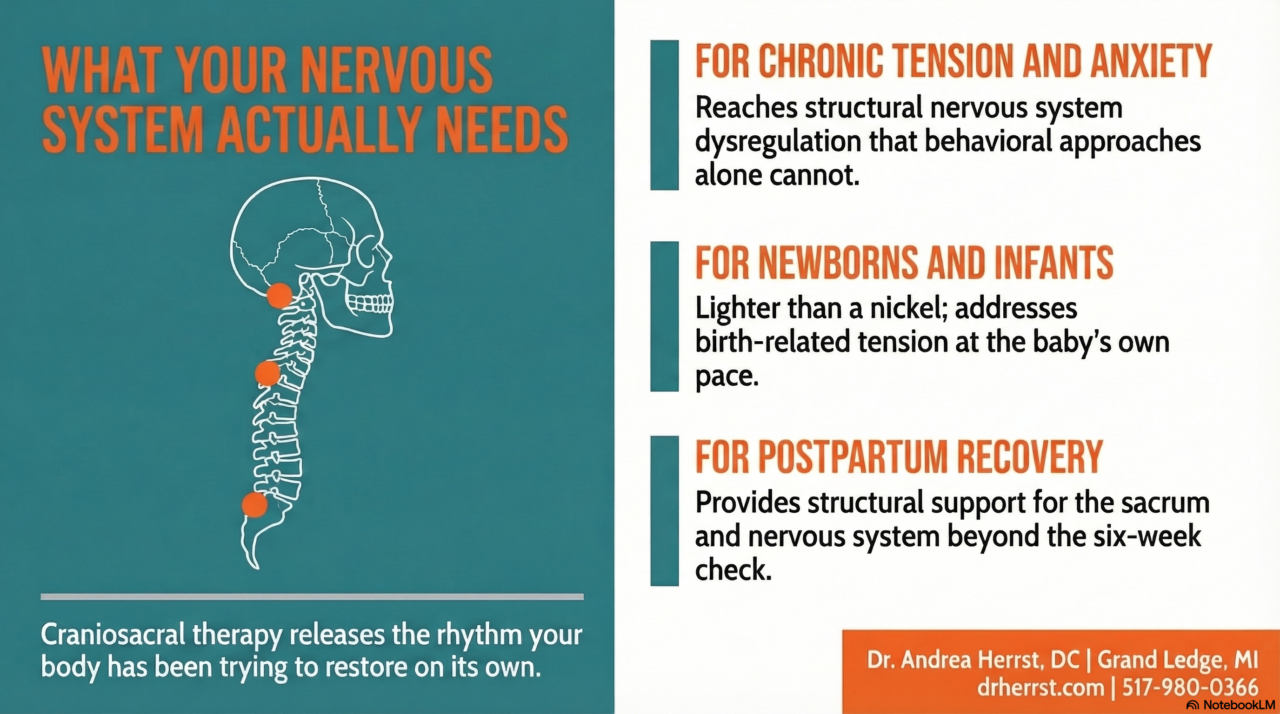
Craniosacral therapy is a gentle, hands-on technique used by chiropractic physicians to release tension held deep in the nervous system. It can help with headaches, anxiety, sleep, postpartum recovery, and even feeding and settling difficulties in newborns. There is no force involved. Most people describe it as one of the most deeply calming things their body has ever experienced. If you have wondered whether there is something more than what you have already tried, this is worth understanding. Prefer to listen instead? Something Hasn’t Felt Right for a While You know the feeling. Not dramatic. Not emergency-room urgent. Just a low-grade hum of something off that you have gotten very good at pushing through. Maybe it is the headache that shows up every afternoon like it has somewhere to be. Or the tension that lives between your shoulder blades and the base of your skull, the kind that a hot shower helps for twenty minutes before it comes right back. Maybe your child has been harder to settle than you expected, and every explanation you have been given starts with “some babies are just like that.” Maybe you have not slept deeply in so long that you genuinely cannot remember what rested feels like. You have probably been told your labs look normal. That everything checks out. That stress is likely the cause. You have stretched. You have tried the supplements. You have done the things you were supposed to do. And the hum is still there. Here is something worth considering. The nervous system is patient. It will keep adapting to whatever load you place on it. Over time, that adaptation becomes the new normal. Tired becomes “just how I am.” Tense becomes “just how I carry stress.” The afternoon headache becomes “just part of my week.” The body does not announce that it is struggling. It just quietly reorganizes itself around the problem. If you recognize this pattern, these stress management strategies are worth reading alongside this post. Every month that pattern runs unaddressed, it becomes more familiar to your body than the alternative. The body does not forget. It learns. That is not a character flaw. It is not a failure of willpower. It is physiology. And physiology can change when you address the right thing. What If Your Nervous System Is the Root, Not the Symptom? Craniosacral therapy is a gentle, hands-on technique that works with the deepest structures of your nervous system. Not the muscles on the surface. Not the joints in isolation. The bones of your skull, your spine, and your sacrum, and the fluid that moves through all of them. Here is the physiology in plain terms. Your body produces a fluid called cerebrospinal fluid. It bathes your brain and spinal cord and moves in a slow, rhythmic pulse that has nothing to do with your heartbeat and nothing to do with your breathing. It is its own system, running quietly underneath everything else. A trained practitioner can feel that rhythm with her hands. When something disrupts that rhythm, the nervous system notices. It compensates. It adapts. And the adaptation shows up as the thing you came in for, whether that is the headache, the tension that will not release, the child who will not settle, or the anxiety that does not have a clean explanation. Craniosacral therapy finds where the rhythm is restricted and releases it. Gently. With no force. The work is so light that most people are surprised by how much they feel. This is not a wellness trend. It is a clinical tool used inside a chiropractic physician’s practice by a physician trained to understand the nervous system at depth. If you have wondered whether your current care is getting all the way to the root, this is the question worth asking. If your first instinct is to wonder whether this is real, that is a good instinct. Bring it. The evidence is worth knowing, and it will be addressed in the FAQ below. Dr. Herrst’s Note — Physiology Corner Craniosacral therapy works with a rhythm your body already produces on its own. I can feel it with my hands. When it is restricted, I find where and release it. Gently. With no force at all. The response often surprises people who expected something more dramatic. The body does not need drama. It needs precision. That is what this work is.   What Craniosacral Therapy Actually Addresses, and Who It Is For Some of the patterns that bring people to this kind of care most often: headaches that arrive without a clear cause, tension that lives in the upper neck and base of the skull, a newborn who seems uncomfortable in ways no one can quite name, postpartum recovery that still does not feel complete months after delivery, and anxiety that does not have a clean explanation. None of these have to be permanent. They are patterns. And patterns can change. To learn more about Dr. Herrst’s approach and background, her About page gives the full picture. For the Tension You Have Learned to Live With The nervous system can get stuck in a state of low-grade alert. Not panic. Not crisis. Just a persistent background hum of not-quite-right that has become the new baseline. Most approaches to chronic tension and anxiety focus on behavior. Breathe differently. Think differently. Move more. Those things matter. But when the nervous system has a structural component to its dysregulation, behavioral approaches alone hit a ceiling. Craniosacral therapy works with the structural side of that equation. The bones of the skull and the upper cervical spine have a direct relationship with the nervous system’s ability to shift out of a stress response. When those structures are restricted, the system stays elevated. When the restriction is released, the body finally gets the signal that it is allowed to come down. This is the piece that grounding techniques and breathing exercises cannot always reach on their own. If you have worked hard on the

Chiropractic

What Abdominal Massage Actually Does Inside Your Body (And Why It Matters for Fertility)

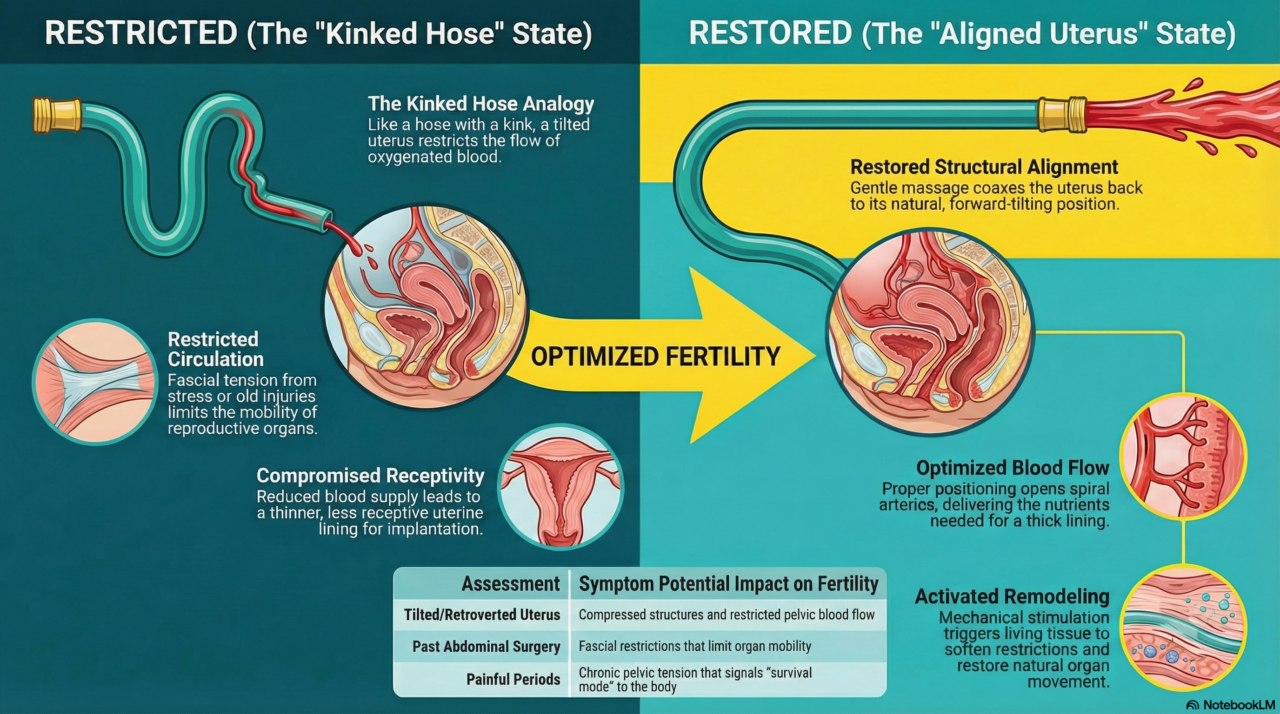
Abdominal massage for fertility works by improving blood flow to the uterus and ovaries, releasing fascial restrictions that limit organ mobility, gently repositioning the uterus when structural alignment is needed, supporting lymphatic drainage, and calming the nervous system so your body can shift out of survival mode and into the conditions where conception becomes possible. It is both mechanical and physiological, grounded in anatomy, and it works best when performed by a certified practitioner who understands the full picture of your reproductive health. Prefer to listen instead? You already know what you’re hoping for. You don’t need anyone to describe it. The positive test. The way you’d tell your husband. The way your older kids would react. You carry that picture with you, and it is the reason you keep asking questions, keep researching, keep trying. So let’s start there. With where you’re going, not where you’ve been. Most women who come to see me have spent months, sometimes longer, asking some version of the same question: “What is wrong with me?” They’ve tracked their cycles. They’ve taken the supplements. They’ve read the books and followed the advice and done everything the right way. And they are exhausted from trying so hard and still not having answers that feel real. Here is what I want you to consider. What if the better question isn’t “what’s wrong with me?” but “what does my body need that it isn’t getting right now?” That one shift changes everything. For many women, the answer turns out to be surprisingly physical. Not emotional. Not mysterious. Structural. Circulatory. Mechanical. And that is where abdominal massage enters the conversation, not as a last resort or a long shot, but as a legitimate physiological tool with deep roots in traditional medicine and a clear anatomical explanation for why it works. Why Your Uterus Position Matters More Than Anyone Told You Most women have never been told that their uterus has a position, that it can shift from that position, and that when it does, the entire environment for conception changes with it. Think about a garden hose lying in your backyard on a summer afternoon. The water is there. The pressure is there. But if someone steps on that hose, or it bends around a corner too sharply, the water slows to a trickle. It can’t reach the garden no matter how much pressure is behind it. Your uterus, ovaries, and fallopian tubes need a steady, rich flow of oxygenated blood to do their jobs. When your uterus is tilted forward, backward, or to one side, which is far more common than most women know, or when the connective tissue surrounding it has tightened from past surgeries, old injuries, previous pregnancies, or even years of sitting in the same position, that flow gets restricted. Not cut off completely. Just kinked. And a kinked hose doesn’t grow much of anything. Research published through the National Institutes of Health has consistently shown that adequate uterine blood flow is one of the foundational requirements for successful implantation and early pregnancy. This isn’t alternative medicine. This is anatomy. Abdominal massage, performed by someone with real training in soft tissue work and reproductive anatomy, gently coaxes those structures back toward optimal position. It releases the restrictions. It restores circulation. It helps your body do what it already knows how to do. Your body was designed for this. Sometimes it just needs someone who understands the design. What Abdominal Massage for Fertility Actually Does Inside Your Body Here is the physiology, explained the way I explain it to my students at Lansing Community College and to the women who sit across from me in my Grand Ledge office. No jargon. Just the real mechanics. 1. Restores Uterine Blood Flow When your uterus is properly positioned and the surrounding fascia is relaxed, oxygenated blood flows freely to your uterine lining, your ovaries, and your fallopian tubes. A well-nourished uterine lining is thicker, more receptive, and better prepared to support implantation. When blood flow is compromised, conditions are compromised. Gentle abdominal massage physically opens those pathways by reducing tension in the surrounding soft tissue and encouraging fresh circulation into an area that may have been partially starved of it. Professor’s Note: In my physiology courses, I teach students that endometrial receptivity, meaning how well the uterine lining accepts a fertilized egg, depends directly on the density and quality of spiral arteries within that lining. Those arteries only develop well when blood supply to the uterus is consistent and adequate. This is not a theory. It is observable histology. 2. Releases Fascial Restrictions Fascia is the connective tissue that surrounds and supports every organ in your body, holding each one in its proper place while allowing the gentle movement your organs need to function. It is also the tissue that tightens in response to stress, surgery, infection, and old injury. Women who have had a C-section, an endometriosis diagnosis, or even significant emotional stress often carry fascial tension in their pelvic bowl that quietly limits organ mobility without causing obvious pain. Skilled abdominal massage works directly with this tissue, softening restrictions and restoring the natural movement your reproductive organs need to function at their best. You can read more about how structural care supports women’s health on our Natural Fertility Enhancement Services page. Professor’s Note: Fascia is not passive packaging. It is a living tissue densely populated with fibroblasts, the cells responsible for producing and remodeling connective tissue throughout your life. Research on fascial biology shows that mechanical stimulation, meaning skilled hands-on pressure, directly activates fibroblast remodeling. That is the cellular reason why massage produces lasting structural change rather than temporary relief. 3. Repositions the Uterus A retroverted or tilted uterus is not a diagnosis that most conventional providers spend much time discussing, but it affects a meaningful number of women and has real implications for fertility. When the uterus is not in its naturally forward-tilting position, it can compress surrounding structures, restrict blood flow, and

Woman experiencing holiday back pain from cooking and stress
Chiropractic

How to Survive Holiday Back Pain: Relief for Cooking, Travel & Stress

You just finished hosting Thanksgiving. You spent hours in the kitchen cooking. You bent over the oven a hundred times. You lifted heavy dishes. You stood at the counter chopping, stirring, preparing. And now? Your lower back is screaming. Your neck is stiff. Your shoulders are tight. And you’re only getting started. Now you’re facing another month of this. More cooking. More shopping. More carrying bags. More decorating. More hosting. More bending, lifting, standing, and stressing. Your back already hurts, and you have Christmas, Hanukkah, New Year’s, and all the gatherings in between. Here’s what I want you to know: you don’t have to suffer through the holidays in pain. You do so much for everyone else. You make the holidays magical for your family. You deserve to actually enjoy them, not just survive them. I’m Dr. Andrea L. Herrst, a chiropractor specializing in women’s health in Grand Ledge, Michigan. I help women get through the holidays without back pain taking over their lives. In this article, I’m going to share five ways to relieve holiday back pain so you can actually enjoy this season. Why the Holidays Wreck Your Back (And It’s Not Just the Cooking) The holidays aren’t just mentally stressful. They’re physically demanding. Think about what your body actually does during the holidays: hours of standing while cooking, bending over to check the oven, lifting heavy pots and roasting pans, carrying shopping bags, decorating (reaching overhead), cleaning (bending, scrubbing), and if you have kids or grandkids, lifting and carrying them. That’s a lot of physical work packed into a few weeks. But here’s what most people don’t realize: stress makes your back pain worse. As a chiropractor and physiology instructor at Lansing Community College, I teach my students how stress affects the entire body. When you’re stressed, your muscles tighten. Your shoulders creep up toward your ears. Your jaw clenches. Your breathing gets shallow. All of this tension creates or worsens back pain. The holidays are a perfect storm for back pain: physical demands plus emotional stress plus irregular sleep plus probably eating foods that cause inflammation. Your body is working overtime. Your back takes the brunt of it. And women especially bear this burden because you’re doing most of the cooking, shopping, wrapping, hosting, and emotional labor that makes holidays happen. The good news? Once you understand what’s causing your holiday back pain, you can do something about it. These aren’t permanent problems. They’re temporary stresses that your body is reacting to. And with a few strategic changes, you can get relief quickly. 5 Ways to Relieve Holiday Back Pain (So You Can Actually Enjoy the Season) You don’t need to wait until January to feel better. You don’t need to just “push through” another month of pain. Here are five strategies that provide real relief during the holiday season. 1. Get Chiropractic Care for Fast, Lasting Relief This is the most effective solution for holiday back pain, and here’s why: chiropractic adjustments address the root cause of your pain, not just the symptoms. When your spine and pelvis are properly aligned, your muscles can relax. Your nervous system functions better. Pain reduces quickly, often after just one or two visits. Holiday back pain often comes from your body compensating for all the extra physical demands. You’re standing differently in the kitchen. You’re tensing up from stress. You’re holding your shoulders tight. Gentle chiropractic adjustments restore proper alignment and let your body relax. Many of my patients feel immediate relief. A quick note about timing: If you’ve met your health insurance deductible this year, now might be a good time to get care before January 1st when it resets. Even though I operate a cash-based practice (I don’t accept insurance directly), some patients can submit receipts for possible out-of-network reimbursement. I specialize in women’s health, so I understand the unique physical demands women face during the holidays. I use gentle techniques tailored to your body and your comfort level. No forceful adjustments, no aggressive techniques. Just careful, effective care that helps you feel better quickly so you can enjoy your holidays. What to do: If you’re dealing with holiday back pain right now, don’t wait. The sooner you address it, the more of the holiday season you’ll actually enjoy pain-free. Schedule a consultation → 2. Protect Your Back While Cooking Holiday cooking means hours standing at the counter. This puts constant pressure on your lower back. Your back muscles get tired. Your spine compresses. Pain sets in. Here’s how to protect your back while cooking: Keep one foot slightly elevated. Use a small stool or step. This takes pressure off your lower back immediately. Switch which foot is elevated every 10-15 minutes. This prevents one side from getting tired. Stand close to the counter. Don’t lean forward. Leaning puts extra strain on your back. Bend your knees when lifting heavy pots. Never bend at the waist. Your legs are stronger than your back. Take breaks to stretch every 30 minutes. Roll your shoulders. Bend side to side. Walk around the kitchen. Your back needs these micro-breaks. These small changes reduce the constant pressure on your lower back. Your muscles don’t have to work as hard. You can cook for hours without the usual pain. What to do: Tonight when you’re making dinner, try the elevated foot trick. You’ll notice a difference immediately. 3. Lift and Carry Without Hurting Your Back The holidays mean lots of lifting: shopping bags, grocery bags, presents, serving dishes, decorations, kids, grandkids. All of this adds up to back strain. Here’s how to lift safely: Bend your knees, not your back. Squat down to pick things up. Keep your back straight. Hold items close to your body. The farther away from your body, the more strain on your back. Don’t twist while carrying. Turn your whole body. Twisting while loaded is how back injuries happen. Make multiple trips. Pride isn’t worth back pain. Two light trips are better than one heavy

Chiropractic

Is Chiropractic Care Safe During Pregnancy? What Every Expecting Mom Should Know

You’re growing a human being. Your body is doing something absolutely incredible, and you’re feeling every bit of it. The lower back pain that makes it hard to get out of bed. The sciatica shooting down your leg when you stand up. The round ligament pain that catches you off guard. The headaches that won’t quit. Your OB says it’s “normal.” Your friends say to just push through it. But here’s what you’re really wondering: Is there a safe way to get relief without medications or interventions that could affect your baby? The answer is yes. And it’s likely closer than you think. In this article, I’ll walk you through everything you need to know about chiropractic care during pregnancy, why it’s not only safe but beneficial, and how it can help you have a more comfortable pregnancy and potentially an easier birth. By the end, you’ll understand exactly how chiropractic supports your changing body and whether it’s right for you. Why Pregnant Women Seek Chiropractic Care (And Why It Works) Let’s start with what’s actually happening in your body right now. During pregnancy, your body releases a hormone called relaxin. Its job is to loosen your ligaments and joints to prepare your pelvis for birth. That’s wonderful for delivery, but it also means your body loses some of its normal stability. Your center of gravity shifts forward as your belly grows, your posture changes, and your spine works overtime to compensate. The result? Pain. Discomfort. Misalignment. Here’s what most pregnant women experience: Lower back pain (reported by 50-70% of pregnant women) Sciatica (sharp pain radiating down the leg) Round ligament pain (sharp pains in the abdomen) Pelvic pain and instability Headaches and neck tension Hip pain that makes sleeping difficult Traditional medicine often says, “It’s just part of pregnancy. Take Tylenol and rest.” But that doesn’t address the root cause, which is often pelvic misalignment and nervous system stress. This is where chiropractic care during pregnancy becomes so valuable. Gentle chiropractic adjustments help restore proper alignment to your spine and pelvis, taking pressure off your nerves, reducing inflammation, and allowing your body to function the way it’s designed to, even under the stress of pregnancy. The Webster Technique: Specialized Care for Pregnant Women Not all chiropractic care is the same, especially during pregnancy. The Webster Technique is a specific chiropractic analysis and adjustment designed for pregnant women. It focuses on reducing tension and imbalance in the pelvis, which can affect the position of the baby and the ease of labor. Here’s what makes the Webster Technique different: It’s gentle. There’s no forceful adjusting or twisting. The technique uses light pressure and specific positioning to help your pelvis stay balanced. It’s safe. The Webster Technique has been used successfully for decades by chiropractors who specialize in prenatal care. It’s recognized by the International Chiropractic Pediatric Association (ICPA) and taught to chiropractors who pursue additional training in pregnancy and pediatric care. It supports optimal fetal positioning. When your pelvis is balanced, your baby has more room to move into the ideal position for birth (head down, facing your back). This can reduce the likelihood of breech or posterior positions, which can complicate labor. It can make labor easier. Studies have shown that women who receive chiropractic care during pregnancy often report shorter labor times and less need for interventions. I’m certified in the Webster Technique because I’ve seen firsthand how it helps women have more comfortable pregnancies and more empowering birth experiences. It’s not about forcing anything. It’s about removing interference so your body can do what it already knows how to do. What the Research Says About Chiropractic Care During Pregnancy If you’re like most expectant moms, you’re cautious about everything you put in or on your body. You read labels. You ask questions. You want evidence. So let’s talk about what the research actually says. Multiple studies have shown that chiropractic care during pregnancy is: Safe. A 2014 study published in the Journal of Manipulative and Physiological Therapeutics found that adverse events from chiropractic care during pregnancy are extremely rare, and when they do occur, they’re mild and temporary (like soreness). Effective for pain relief. Research shows that chiropractic care significantly reduces lower back pain, pelvic pain, and sciatica in pregnant women without the use of medications. Associated with shorter labor times. A study found that first-time mothers who received chiropractic care throughout pregnancy had an average labor time of 6 hours, compared to 9 hours for those who didn’t receive chiropractic care. Beneficial for overall pregnancy wellness. Beyond pain relief, many women report better sleep, improved mood, less nausea, and more energy when receiving regular chiropractic care. Important note: Chiropractic adjustments during pregnancy are modified to ensure your comfort and safety. You’ll never be asked to lie flat on your stomach. Special pregnancy pillows and positioning are used to accommodate your growing belly while still allowing effective adjustments. Common Questions About Chiropractic Care During Pregnancy “When can I start chiropractic care during pregnancy?” You can begin chiropractic care at any point during your pregnancy. Some women start in the first trimester to manage nausea and fatigue. Others come in during the second or third trimester when pain and discomfort increase. Ideally, starting early allows your body to stay balanced as it changes, but it’s never too late to start. “Will adjustments hurt my baby?” No. Chiropractic adjustments are focused on your spine and pelvis, not on your baby. The techniques used during pregnancy are extremely gentle and designed specifically for the safety of both you and your baby. In fact, by reducing stress on your nervous system and improving pelvic alignment, chiropractic care creates a better environment for your baby. “How often should I see a chiropractor during pregnancy?” This depends on your specific needs. Some women benefit from weekly visits, especially in the third trimester. Others may only need adjustments every two to three weeks. During your initial consultation, we’ll create a care plan that makes

Chiropractor vs Physical Therapist – Key Differences
Chiropractic

Chiropractor vs Physical Therapist: Which One Is Right for You?

When you’re dealing with pain or discomfort, one of the most important decisions you need to make is how to treat it. For many, the choice often comes down to two popular healthcare professionals: a chiropractor vs physical therapist. Each offers unique approaches to healing, but understanding their differences can help you make the best decision for your recovery. In this blog post, we’ll explore the key differences between chiropractors and physical therapists, how their treatments work, and which one might be right for your needs. What is Chiropractic Care? Chiropractic care is a healthcare approach that focuses on diagnosing and treating musculoskeletal disorders, especially those related to the spine. Chiropractors use hands-on spinal manipulation and other manual techniques to relieve pain, improve mobility, and promote overall health. The core belief behind chiropractic care is that misalignments in the spine (known as subluxations) can interfere with the nervous system and contribute to various health issues, including back pain, neck pain, headaches, and even digestive problems. Chiropractors often focus on the following conditions: Back pain Neck pain Headaches and migraines Sciatica Joint pain and stiffness Treatment from a chiropractor typically involves spinal adjustments and manipulations to restore proper alignment in the spine. This can help reduce pain, improve mobility, and prevent future problems. Chiropractic care can also include complementary therapies like massage, heat/cold therapy, and nutritional counseling. What is Physical Therapy? Physical therapy (PT), on the other hand, is a broader rehabilitation approach that focuses on improving physical function, mobility, and quality of life for individuals with injuries, illnesses, or chronic conditions. Physical therapists are trained to assess and treat a variety of musculoskeletal, neurological, and orthopedic issues using non-invasive methods. Their goal is to help patients restore movement, strength, and flexibility through therapeutic exercises, manual therapy, and other modalities. Physical therapists focus on a wide range of conditions, including: Sports injuries Post-surgical rehabilitation Chronic pain Muscle strains and sprains Balance and mobility issues (e.g., after a stroke or surgery) A physical therapist’s treatment plan often includes exercises, stretches, manual techniques, heat/cold therapy, ultrasound, and electrical stimulation to reduce pain, increase strength, and improve mobility. PT is often used after an injury or surgery, but it can also be helpful for managing chronic conditions like arthritis, fibromyalgia, or sciatica. Chiropractor vs Physical Therapist: Key Differences While both chiropractors and physical therapists aim to improve your physical health and well-being, they use different approaches and techniques. Let’s take a closer look at how these two fields differ. 1. Approach to Treatment One of the most significant differences between chiropractic care and physical therapy is their approach to treatment. Chiropractor: Chiropractors primarily focus on the spine and nervous system. Their goal is to correct misalignments or subluxations that they believe contribute to pain and other health problems. Chiropractic adjustments or spinal manipulations are often the centerpiece of treatment. Chiropractors may also offer complementary treatments, but their main focus is on spinal health. Physical Therapist: Physical therapists take a more holistic approach to treatment, working on improving overall movement, strength, and function. They use a variety of exercises and stretches to strengthen muscles, restore joint mobility, and reduce pain. Physical therapists may also incorporate techniques like manual therapy, dry needling, or ultrasound to support healing. 2. Conditions Treated Both chiropractors and physical therapists treat musculoskeletal conditions, but the types of conditions they specialize in may vary. Chiropractor: Chiropractors are most often sought after for conditions related to spinal health, such as back pain, neck pain, sciatica, and tension headaches. They are also experienced in treating conditions that involve the nervous system, such as pinched nerves or chronic pain syndromes. Physical Therapist: Physical therapists can treat a broader range of conditions, including sports injuries, joint replacements, neurological issues, and balance problems. PT is often used as a recovery tool after surgery or trauma, while chiropractic care is generally more focused on spinal issues and pain management. 3. Treatment Techniques The techniques used by chiropractors and physical therapists also differ significantly. Chiropractor: Chiropractors use spinal adjustments and manipulations to realign the spine and restore balance to the nervous system. This may involve high-velocity thrusts to the spine or joints. Chiropractors may also use other methods like massage therapy, dry needling, or nutritional counseling. Physical Therapist: Physical therapists emphasize strengthening exercises, stretches, and rehabilitation techniques to restore mobility and function. Manual therapy, ultrasound, electrical stimulation, and hot/cold treatments are also commonly used in physical therapy. PT focuses heavily on exercise and movement, aiming to retrain muscles and joints to function optimally. 4. Duration of Treatment The length of treatment can vary for both chiropractic and physical therapy, depending on the individual’s condition. Chiropractor: Chiropractic care can sometimes offer more immediate relief for certain conditions, particularly when addressing spinal misalignments or joint pain. Many patients see results after just a few sessions, but chronic conditions may require ongoing maintenance. Physical Therapist: Physical therapy often requires a longer treatment timeline, especially for complex injuries or conditions that need rehabilitation. It may involve multiple sessions per week and require significant effort from the patient to complete exercises at home to improve long-term mobility. 5. Philosophy of Care Chiropractor: Chiropractors often operate on the belief that spinal health is the key to overall wellness. They focus on the idea that correcting spinal misalignments can have wide-ranging benefits for the entire body, including pain relief, improved mobility, and better organ function. Physical Therapist: Physical therapists focus more on functional rehabilitation and restoring the patient’s ability to perform everyday activities. They may focus on the specific muscles or joints involved in an injury and design a comprehensive plan to rebuild strength, flexibility, and movement. When Should You See a Chiropractor? You might consider seeing a chiropractor if you experience: Chronic back pain Neck pain or stiffness Tension headaches or migraines Sciatica Joint pain (particularly in the spine or extremities) Chiropractic care can be particularly helpful for individuals seeking non-invasive pain relief or those who are struggling with persistent musculoskeletal issues. If you’re

Best Chiropractor Within 5 Miles – Expert Local Care
Chiropractic

Finding the Best Chiropractor Within 5 Miles: A Guide to Local Care with Dr. Andrea L. Herrst

If you’ve been suffering from back pain, headaches, or joint discomfort, chiropractic care might be the relief you’ve been looking for. The key to effective chiropractic treatment is finding the right chiropractor who understands your needs and offers care that goes beyond just adjusting your spine. But how do you choose the best chiropractor in your area, and why should you look for one within 5 miles of your home? Let’s explore how to make an informed decision—and why Dr. Andrea L. Herrst, a trusted chiropractor in Grand Ledge, might be exactly who you need. Why Should You Find a Chiropractor Within 5 Miles? When you’re dealing with pain, the last thing you want is to add more stress by driving long distances to your chiropractor. Finding a chiropractor within 5 miles of your home brings numerous benefits, making it easier to stick to your treatment plan. 1. Convenience and Consistency Pain relief isn’t achieved after just one visit; it often requires regular appointments to see significant results. Choosing a chiropractor nearby ensures you can easily fit appointments into your busy schedule without the hassle of a long drive. Being close also means you’re more likely to stick to your plan, which leads to better outcomes. 2. Familiarity with Local Health Concerns A chiropractor who practices in your community is likely to be more in tune with the specific health concerns of people in the area. Whether it’s treating weekend warriors, managing stress from a high-paced environment, or addressing post-pregnancy discomfort, a local chiropractor understands the unique needs of their patient base. 3. Personalized, Accessible Care One of the best things about choosing a chiropractor within your area is the ability to establish a relationship with someone who understands your goals, lifestyle, and challenges. You’re not just another patient on the schedule—your chiropractor can become a trusted partner in your wellness journey. What Makes Dr. Andrea L. Herrst Different? When searching for the best chiropractor within 5 miles, look for one who provides more than just quick fixes. Dr. Andrea L. Herrst, located in Grand Ledge, MI, offers a comprehensive approach to chiropractic care that focuses on whole-person healing. Dr. Herrst’s practice emphasizes personalized care that looks beyond the spine and considers all aspects of your health. 1. Holistic Care for the Whole Family Dr. Herrst believes in whole-person care—treating the root cause of issues rather than simply addressing symptoms. Her approach is not “one size fits all.” Whether you are dealing with chronic pain, recovering from pregnancy, or seeking wellness improvements, Dr. Herrst tailors each treatment plan to your specific needs. This individualized care ensures you get the best results, not just temporary relief. Dr. Herrst also works with families of all types. Whether you’re looking for pediatric care or need support during pregnancy, her gentle, non-invasive techniques ensure that patients of all ages, from infants to seniors, are treated with the utmost care and respect. 2. Expertise in Pregnancy and Post-Partum Care Pregnancy can be an incredibly challenging time for your body, as it undergoes dramatic changes. Dr. Herrst specializes in pregnancy chiropractic care, offering relief from common issues such as lower back pain, sciatica, and pelvic discomfort. Post-partum care is also an essential service for new parents who want to regain their strength and posture after childbirth. Pregnancy chiropractic care isn’t just about alleviating pain; it’s about preparing your body for a smoother pregnancy and postpartum recovery. Dr. Herrst can help make this transition as comfortable as possible, supporting your body through one of the most profound changes it will ever experience. 3. Comprehensive Wellness with Homeopathy In addition to chiropractic care, Dr. Herrst incorporates homeopathy into her practice, offering natural remedies to complement her treatments. Homeopathy takes a holistic approach to healing, addressing the body’s symptoms on a deep, energetic level. Dr. Herrst’s unique approach combines her chiropractic expertise with natural remedies like Bryonia alba, perfect for those suffering from conditions worsened by movement, such as headaches and muscle pain. This remedy can provide relief when you need it most, without relying on invasive treatments or medications. Her “Remedy of the Month” feature, such as Bryonia alba, highlights how she uses plant-based treatments to support her chiropractic adjustments, helping patients heal naturally. 4. No Cookie-Cutter Treatments One of the most important distinctions Dr. Herrst brings to her practice is her commitment to personalized care. She takes the time to listen to your story, understand your health goals, and develop a treatment plan that focuses on your specific needs. Whether you’re struggling with chronic pain or simply want to feel more energized, Dr. Herrst offers solutions tailored to your health journey. Unlike many chiropractors who offer standard treatments for all patients, Dr. Herrst doesn’t follow a one-size-fits-all approach. She considers your posture, nutrition, sleep patterns, and even toxic exposure to create a plan that is as unique as you are. What Services Can You Expect from Dr. Andrea L. Herrst? Dr. Herrst offers a range of chiropractic services designed to support your well-being. Here’s a breakdown of what you can expect when visiting her practice: 1. Spinal Adjustments and Manual Therapy The foundation of chiropractic care, spinal adjustments aim to restore proper alignment and function to the spine and joints. These adjustments can relieve pain, reduce tension, and improve mobility. Dr. Herrst uses both traditional manual techniques and more gentle approaches depending on your needs. 2. Holistic Wellness Counseling Dr. Herrst goes beyond just treating pain. She will work with you to optimize your overall health, from nutritional guidance to improving your sleep habits. Her holistic wellness approach helps create lasting changes in your health and lifestyle. 3. Family-Centered Care Whether it’s a new baby or an aging parent, Dr. Herrst provides chiropractic care for people of all ages. Her gentle techniques make her an excellent choice for children and seniors alike. 4. Pregnancy and Postpartum Chiropractic Care Gentle and effective chiropractic care during and after pregnancy can make a huge difference in your comfort level.

Can Chiropractors Prescribe Medication - Find the Answer Here
Chiropractic

Can Chiropractors Prescribe Medication? Understanding the Role of Chiropractors in Healthcare

Chiropractors are often recognized for their ability to alleviate pain, improve mobility, and promote overall well-being through non-invasive treatments like spinal adjustments. While they are primarily known for their hands-on, drug-free approach to healthcare, one question that frequently arises is: Can chiropractors prescribe medication? In this blog, we’ll explore the role of chiropractors in the healthcare system, their training, and why they don’t prescribe medication, while emphasizing their importance in managing pain, improving mobility, and enhancing the body’s overall function. We’ll also take a closer look at when it’s appropriate to consult a chiropractor and how they collaborate with other healthcare professionals. What is Chiropractic Care? Chiropractic care is a branch of healthcare focused on diagnosing and treating musculoskeletal disorders, particularly those related to the spine. Chiropractors are trained to identify misalignments in the spine, known as subluxations, and correct them using various techniques, the most common being spinal adjustments. Spinal misalignments can lead to various issues like back pain, neck pain, headaches, and limited mobility. Chiropractors aim to restore proper alignment, which, in turn, can help improve the function of the nervous system, reduce pain, and promote the body’s natural healing abilities. Chiropractors undergo extensive training, including earning a Doctor of Chiropractic (DC) degree, which typically involves at least three years of undergraduate study followed by four years at a chiropractic college. They are well-versed in anatomy, physiology, neurology, and musculoskeletal conditions. Despite their in-depth medical knowledge, chiropractors are not medical doctors, which influences their ability to prescribe medications. Can Chiropractors Prescribe Medication? The short answer is no, chiropractors cannot prescribe medication. Chiropractors are not licensed medical doctors (MDs) or osteopathic doctors (DOs), which are the healthcare professionals authorized to prescribe medications. The scope of practice for chiropractors is limited to non-invasive treatments like spinal manipulation, physical therapy techniques, and lifestyle recommendations such as exercise and nutrition. Why Can’t Chiropractors Prescribe Medication? There are several reasons why chiropractors cannot prescribe medication, primarily related to the differences in their training and licensing: Different Licensing and Training Chiropractors receive a Doctor of Chiropractic degree, which emphasizes musculoskeletal health and alternative methods of treatment. While their training is comprehensive, it doesn’t include the medical training necessary to prescribe pharmaceutical drugs. Medical doctors, on the other hand, attend medical school, which includes coursework and hands-on training in pharmacology, prescription management, and the complex interactions of medications with the human body. State and National Regulations The legal scope of practice for chiropractors is determined by state laws and regulations. Chiropractors are authorized to diagnose and treat musculoskeletal conditions but are prohibited from prescribing medications. The scope of practice varies from state to state, but prescribing drugs is typically outside the bounds of chiropractic care. This is primarily because the focus of chiropractic medicine is on non-invasive and drug-free methods to address health concerns. Pharmaceutical Knowledge Prescribing medication requires a deep understanding of pharmacology—the study of how drugs work in the body, their potential side effects, and their interactions with other medications. Chiropractors do not receive training in this area to the same extent as medical doctors, who are specifically trained to understand the complexities of pharmaceuticals and how they affect the body’s various systems. Focus on Non-invasive Care Chiropractors have made a commitment to a non-invasive approach to care. By focusing on spinal manipulation and physical therapies, chiropractors aim to treat the root cause of the condition rather than masking symptoms with medications. This approach has gained significant popularity, particularly among those seeking alternatives to traditional medical treatments for conditions like back pain, headaches, and joint issues. How Chiropractors Treat Patients Without Medications Even though chiropractors cannot prescribe medication, they are highly skilled at managing pain and treating a wide range of musculoskeletal conditions using drug-free techniques. Let’s take a look at some of the most common methods chiropractors use: Spinal Manipulation and Adjustments: The cornerstone of chiropractic care is spinal manipulation, also known as spinal adjustments. Chiropractors use their hands to adjust the spine, realigning vertebrae that may have moved out of their proper position. These adjustments can help alleviate pressure on nerves, improve mobility, and reduce pain. By correcting misalignments, chiropractors aim to restore the body’s natural balance and function. Physical Therapy and Rehabilitation: Chiropractors often incorporate physical therapy techniques into their treatment plans. These may include exercises to strengthen the muscles supporting the spine, improve posture, and increase flexibility. Chiropractors are trained to design rehabilitation programs tailored to each patient’s specific condition and recovery goals. Lifestyle and Wellness Recommendations: Chiropractors take a holistic approach to care, emphasizing the importance of a healthy lifestyle in maintaining overall well-being. This can include advice on nutrition, exercise, stress management, and ergonomic improvements to prevent injury and enhance recovery. Chiropractors may also recommend lifestyle changes to address factors that contribute to musculoskeletal pain, such as poor posture or improper lifting techniques. Massage Therapy: Many chiropractors also offer massage therapy as part of their practice. Therapeutic massage can help relax tight muscles, improve circulation, and reduce tension in the body. It is often used in combination with spinal adjustments to enhance the effectiveness of chiropractic care. Heat and Cold Therapy: Chiropractors may suggest heat or cold therapy to alleviate pain and inflammation. Cold packs can reduce swelling, while heat therapy can help relax stiff muscles. These therapies are non-invasive and can be used as adjuncts to chiropractic adjustments for added relief. How Chiropractors Collaborate with Other Healthcare Professionals Although chiropractors do not prescribe medications, they play a crucial role in a comprehensive healthcare plan. They often work alongside other healthcare professionals to provide a more integrated approach to patient care. Referral to Medical Doctors: Chiropractors are trained to recognize when a patient’s condition requires medical intervention. If they believe that a patient may benefit from medications or further diagnostic testing (such as imaging or blood work), they will refer the patient to a medical doctor or specialist. Chiropractors are often involved in the management of conditions like back pain, sciatica, and musculoskeletal disorders, but they

Best Joint Chiropractor Near Me | Expert Pain Relief Today
Chiropractic

Why Joint Chiropractors Are Essential for Active Lifestyles and Injury Prevention?

In today’s world, more and more people are embracing active lifestyles, whether it’s through regular exercise, playing sports, or simply staying active in their day-to-day routines. With these lifestyle choices comes the potential for joint pain, muscle strain, and the risk of injury. Whether you’re an athlete or someone who enjoys physical activity, one professional who can help you stay in top shape is a joint chiropractor. Chiropractors specializing in joint care offer valuable services that go beyond just treating pain—they can help prevent injuries, optimize performance, and improve your overall health. In this blog, we’ll explore why joint chiropractors are essential for anyone leading an active lifestyle, how they can contribute to injury prevention, and how you can find a joint chiropractor near me for effective care. What is a Joint Chiropractor? A joint chiropractor is a healthcare professional who focuses on the diagnosis and treatment of musculoskeletal issues, with a particular emphasis on joint health. They specialize in the manipulation and adjustment of joints to restore proper alignment, improve movement, and reduce pain. Joint chiropractors often treat a variety of conditions related to the spine, shoulders, knees, elbows, and other joints in the body. Their goal is not only to alleviate pain but also to enhance overall joint function, making them a vital part of an active individual’s wellness routine. Joint chiropractic care goes beyond traditional medicine by using non-invasive techniques to manage pain and promote healing. Chiropractors use hands-on manipulation to realign the spine and other joints, which can relieve pressure, reduce inflammation, and increase blood flow to damaged areas. This approach is particularly beneficial for active individuals who put strain on their joints through exercise or sports activities. How Joint Chiropractors Benefit Active Lifestyles Joint chiropractors provide essential care for people with active lifestyles. Here’s why: 1. Improved Range of Motion Regular physical activity requires your joints to move freely and efficiently. Whether you’re lifting weights, running, cycling, or engaging in sports, maintaining a full range of motion in your joints is critical. Joint chiropractic care helps to keep the joints in proper alignment, which in turn improves flexibility and range of motion. By realigning the joints, chiropractors help to correct imbalances and restrictions that may limit movement. This leads to better performance in physical activities, whether it’s performing a perfect squat or reaching the peak of your athletic abilities. 2. Injury Prevention Injuries are common in active individuals, especially when joints are misaligned or under undue stress. A joint chiropractor can identify and address potential problem areas before they lead to serious injuries. Misalignment in one part of the body can have a cascading effect on other joints, muscles, and ligaments, creating long-term issues if left untreated. Regular chiropractic adjustments can help prevent injuries by ensuring that your joints are properly aligned, reducing unnecessary stress on your body. Chiropractors may also offer exercises and stretches to strengthen muscles around the joints, providing better support and reducing the risk of strains and sprains. 3. Pain Relief and Management One of the primary reasons people seek chiropractic care is for pain relief. Active individuals often experience joint pain due to overuse, strain, or misalignment. Whether it’s soreness after a tough workout or a persistent injury that just won’t heal, a joint chiropractor can help alleviate pain using safe, non-invasive techniques. Chiropractic adjustments help to reduce inflammation, increase blood flow to affected areas, and relieve pressure on nerves and joints, which can all contribute to reducing pain. For athletes and active individuals, this relief allows for quicker recovery and better performance, enabling them to return to their activities faster. 4. Posture and Alignment Proper posture is essential for preventing joint strain, especially when performing physical tasks. Poor posture during exercise or everyday movements can lead to joint misalignment and pain. A joint chiropractor can help identify posture problems and provide adjustments that restore balance and improve alignment. By correcting misalignments, chiropractors help to relieve unnecessary tension in the muscles and joints. This can enhance posture both during workouts and in daily life, reducing the likelihood of discomfort or injuries due to bad posture. 5. Better Performance and Mobility Active individuals often push their bodies to the limit. Joint chiropractic care helps improve mobility by ensuring that the joints are functioning optimally. With regular chiropractic adjustments, you may experience improved strength, flexibility, and endurance. This can help boost your performance in your chosen physical activities. Moreover, chiropractic care focuses on enhancing the body’s natural healing ability. By addressing joint dysfunctions and improving alignment, chiropractors ensure that the body operates efficiently, allowing for better mobility and a more effective workout routine. 6. Personalized Treatment Plans A key advantage of chiropractic care is that it’s personalized to meet your unique needs. Whether you’re an athlete recovering from an injury or someone simply trying to stay in shape, a joint chiropractor can develop a tailored treatment plan that suits your lifestyle and goals. Chiropractors may incorporate a combination of joint adjustments, stretches, strengthening exercises, and lifestyle advice to create an individualized approach. This ensures that you’re not only recovering from injuries but also working to prevent future problems. The Importance of Injury Prevention for Active Lifestyles Injury prevention is a crucial aspect of maintaining a long-term active lifestyle. As we age, the risk of injury increases, especially if we fail to take proper care of our joints and muscles. Here’s why injury prevention is essential: 1. Long-Term Health and Fitness Injuries can sideline an active individual, leading to months or even years of physical limitations. Chronic joint pain or injury can reduce your quality of life and make it difficult to stay active. By visiting a joint chiropractor regularly, you can reduce the risk of major injuries and maintain your fitness over the long term. Preventing injuries ensures that you can continue enjoying the activities you love, whether it’s running, playing tennis, or simply staying in shape. A chiropractor can help keep you healthy and active for years to come. 2.

How Upper Cervical Chiropractic Can Help with Migraines and Headaches
Chiropractic

How Upper Cervical Chiropractic Can Help with Migraines and Headaches

Migraines and headaches are among the most debilitating conditions that affect millions of people worldwide. These painful experiences can range from mild discomfort to excruciating pain that interferes with daily life, work, and relationships. Although many individuals turn to medications for relief, an increasing number of people are discovering that upper cervical chiropractic care offers a natural and highly effective solution for managing and even alleviating migraines and headaches. In this detailed blog, we will explore how upper cervical chiropractic care can help with these common health issues, the science behind it, and why it might be a worthwhile treatment option for you. Understanding Migraines and Headaches Before diving into how upper cervical chiropractic care can help, it’s essential to first understand what migraines and headaches are and what causes them. What Are Migraines? Migraines are intense, often debilitating headaches that are typically accompanied by symptoms such as nausea, vomiting, light sensitivity, and visual disturbances. Unlike common tension headaches, migraines are a neurological condition that results from abnormal brain activity. They often cause severe throbbing pain, usually on one side of the head. Migraine attacks can last for hours or even days and are often triggered by various factors, including hormonal changes, stress, poor sleep, diet, environmental factors, or underlying medical conditions. What Are Tension Headaches? Tension headaches, on the other hand, are more common and are generally characterized by a dull, persistent ache around the forehead or back of the head. These headaches are typically triggered by stress, poor posture, muscle strain, or even dehydration. While tension headaches are less severe than migraines, they can still cause significant discomfort and affect your ability to focus and complete daily tasks. The Link Between the Neck and Headaches Many individuals who suffer from chronic headaches or migraines report that their symptoms are closely linked to neck pain or tension. The neck, particularly the upper cervical spine (the top portion of the spine near the skull), plays a significant role in the development and intensity of these conditions. The upper cervical spine consists of the atlas (C1) and axis (C2) vertebrae. These two vertebrae support the weight of the skull and allow for the wide range of motion in the head and neck. They also house vital nerves that communicate between the brain and the body. Misalignments, or subluxations, in the upper cervical spine can interfere with the proper functioning of these nerves and contribute to the onset of headaches and migraines. What is Upper Cervical Chiropractic Care? Upper cervical chiropractic care is a specialized field of chiropractic treatment that focuses on the alignment of the upper cervical spine, specifically the atlas (C1) and axis (C2) vertebrae. This form of chiropractic care aims to detect and correct misalignments in these vertebrae, which can affect nerve function and overall health. Unlike traditional chiropractic care, which often involves manual adjustments throughout the entire spine, upper cervical chiropractors focus specifically on the uppermost vertebrae. This approach is based on the idea that even the slightest misalignment in the upper cervical spine can have a profound impact on the nervous system, leading to various health issues, including migraines and tension headaches. The primary goal of upper cervical chiropractic care is to restore proper alignment to the upper cervical spine, thereby allowing the nervous system to function optimally. By addressing misalignments, upper cervical chiropractors aim to reduce the pressure on nerves and improve the communication between the brain and the body. How Upper Cervical Chiropractic Helps with Migraines and Headaches 1. Restores Proper Alignment and Reduces Nerve Pressure One of the key ways upper cervical chiropractic care can help with migraines and headaches is by restoring proper alignment to the upper cervical spine. When the atlas (C1) and axis (C2) vertebrae are misaligned, they can put pressure on the spinal cord and nerves that control pain perception, blood flow, and muscle function. This pressure can trigger or exacerbate headaches, including migraines. By gently realigning the upper cervical spine, upper cervical chiropractors can reduce the pressure on these vital nerves and restore proper nerve function. This realignment helps to alleviate the pain associated with migraines and tension headaches and can even prevent future episodes. 2. Improves Blood Flow to the Brain Misalignments in the upper cervical spine can also restrict blood flow to the brain. Proper circulation is essential for brain health, and restricted blood flow can lead to a buildup of toxins and waste products in the brain, which may contribute to headaches and migraines. By correcting upper cervical misalignments, chiropractic care can improve blood flow to the brain, ensuring that the brain receives the oxygen and nutrients it needs to function properly. 3. Reduces Muscle Tension and Spinal Strain Another common cause of tension headaches is muscle tension in the neck and upper back. Misalignments in the upper cervical spine can lead to muscle strain and tension, as the body compensates for the misalignment. This muscle tension can trigger or worsen headache symptoms. Upper cervical chiropractic care can help reduce muscle tension by addressing the root cause—the misalignment in the spine. Once the spine is properly aligned, the muscles can relax, reducing the strain that contributes to headaches and migraines. By restoring proper spinal alignment, chiropractic care helps to reduce muscle stiffness and promotes overall comfort. 4. Addresses Postural Imbalances Poor posture, especially when sitting for long periods or looking down at a screen, can lead to tension headaches. The misalignment of the upper cervical spine can exacerbate postural imbalances, causing strain on the muscles of the neck, shoulders, and upper back. This misalignment can trigger headache pain, especially in the temples and forehead area. Upper cervical chiropractic care helps to correct postural imbalances by realigning the upper cervical spine, promoting better posture and reducing the risk of muscle strain. By improving posture, upper cervical chiropractic care can help prevent tension headaches and reduce their frequency and intensity. 5. Supports Nervous System Function The nervous system is responsible for regulating pain signals, muscle control, and

Bulging Disc Chiropractor: Relief & Treatment Near You
Chiropractic

How Chiropractors Can Help Relieve the Pain of a Bulging Disc

If you’re experiencing persistent back pain, neck discomfort, or radiating pain down your leg, you might be dealing with a bulging disc, also known as a herniated disc. A bulging disc occurs when one of the rubbery discs in your spine bulges out of place, potentially putting pressure on the surrounding nerves. This can result in pain, numbness, and even mobility issues. While some turn to medications or surgeries to alleviate these symptoms, chiropractic care offers a natural, non-invasive alternative that can provide lasting relief. In this blog, we’ll explore is chiropractor for bulging disc exist and how chiropractic treatment can help ease the pain of a bulging disc and offer long-term solutions. What Is a Bulging Disc? Before diving into how chiropractic care can help, it’s essential to understand what a bulging disc is. The spine is made up of vertebrae stacked on top of one another, and between each vertebra is a cushion-like structure called an intervertebral disc. These discs have a soft, gel-like interior and a tough, outer shell that helps absorb shocks and distribute pressure during movements. When the outer shell weakens or bulges outward, it can cause the disc to press on nearby nerves, leading to the pain and discomfort associated with a bulging disc. While bulging discs are common and can occur in any part of the spine, they most often affect the lower back (lumbar spine) or the neck (cervical spine). The bulge can range from mild to severe, depending on the extent of the disc’s protrusion and how much it affects surrounding nerves. Symptoms of a Bulging Disc The symptoms of a bulging disc can vary, depending on the location of the disc and the pressure placed on the nerves. Common symptoms include: Localized pain: You may feel a dull ache or sharp pain in your back, neck, or even your legs, depending on where the disc is bulging. Radiating pain (sciatica): If the disc puts pressure on the sciatic nerve, you may experience sharp, shooting pain that runs down your legs and even into your feet. Numbness and tingling: Nerve compression can cause feelings of numbness or tingling, often referred to as “pins and needles.” Muscle weakness: Bulging discs can impair the nerves that control certain muscles, leading to weakness or difficulty moving. Reduced range of motion: Stiffness and pain from a bulging disc can limit your ability to move freely, whether it’s bending down, twisting, or looking up. How Chiropractors Help with a Bulging Disc Chiropractic care focuses on diagnosing and treating musculoskeletal issues, particularly those related to the spine. Chiropractors use a hands-on approach to correct spinal misalignments and alleviate pressure on the nerves caused by bulging discs. Let’s explore some of the key chiropractic treatments that can relieve bulging disc symptoms. 1. Spinal Adjustments (Manipulations) One of the most common techniques chiropractors use to treat bulging discs is spinal manipulation or adjustment. This technique involves a chiropractor using precise force to move a vertebra back into its proper position. Misalignments in the spine, which often occur with bulging discs, can put pressure on nerves and cause pain. By realigning the spine, spinal adjustments relieve nerve compression and reduce pain. Spinal adjustments also improve spinal mobility and allow the body to heal itself more effectively. While spinal adjustments are most commonly used for acute pain, they can also help prevent long-term problems associated with bulging discs, such as further degeneration or herniation of the disc. 2. Decompression Therapy Spinal decompression therapy is another highly effective technique for treating bulging discs. This therapy involves using a mechanical traction table to stretch the spine gently. This process creates negative pressure within the discs, which can help reposition the bulging disc and draw it away from the nerve roots. Spinal decompression also promotes nutrient-rich fluid flow to the disc, which aids in its repair. By relieving pressure from the disc and promoting circulation, decompression therapy can reduce pain and encourage healing. 3. Flexion-Distraction Therapy Flexion-distraction therapy is a chiropractic technique specifically designed for bulging discs in the lower back. It involves the use of a special table that allows the chiropractor to stretch the spine in a controlled manner. As the chiropractor applies gentle force, the spinal discs are decompressed, reducing the pressure on the nerve roots. This technique is especially effective for patients who have bulging discs in the lumbar region of the spine. It can reduce both pain and inflammation, while improving the range of motion and flexibility in the lower back. 4. Therapeutic Exercises and Stretches Chiropractors often prescribe therapeutic exercises to strengthen the muscles surrounding the spine and improve overall posture. These exercises can help stabilize the spine, making it less likely that the disc will bulge again in the future. Core strengthening exercises, such as abdominal and back exercises, are essential for providing support to the spine. Stretching exercises are also recommended to improve flexibility and reduce muscle tightness around the spine. This can help decrease pressure on the discs and prevent them from bulging further. A chiropractor may give you a set of at-home exercises to perform between visits. These exercises help you maintain your spinal health and encourage long-term recovery. 5. Cold and Heat Therapy Cold and heat therapy is a simple yet effective way to manage pain and inflammation associated with bulging discs. Chiropractors often use cold therapy, such as ice packs, to reduce inflammation and numb pain in the affected area. Cold therapy can be especially helpful during the acute stages of a bulging disc when swelling and pain are at their peak. Heat therapy, on the other hand, can help relax tight muscles and improve blood circulation, promoting healing in the affected tissues. A chiropractor may apply heat using heating pads or warm compresses after the initial inflammation has subsided. 6. Posture Correction and Lifestyle Recommendations Chiropractors don’t just focus on pain relief—they also provide valuable advice on preventing future injuries. Poor posture is one of the main contributors to spinal

Scroll to Top