

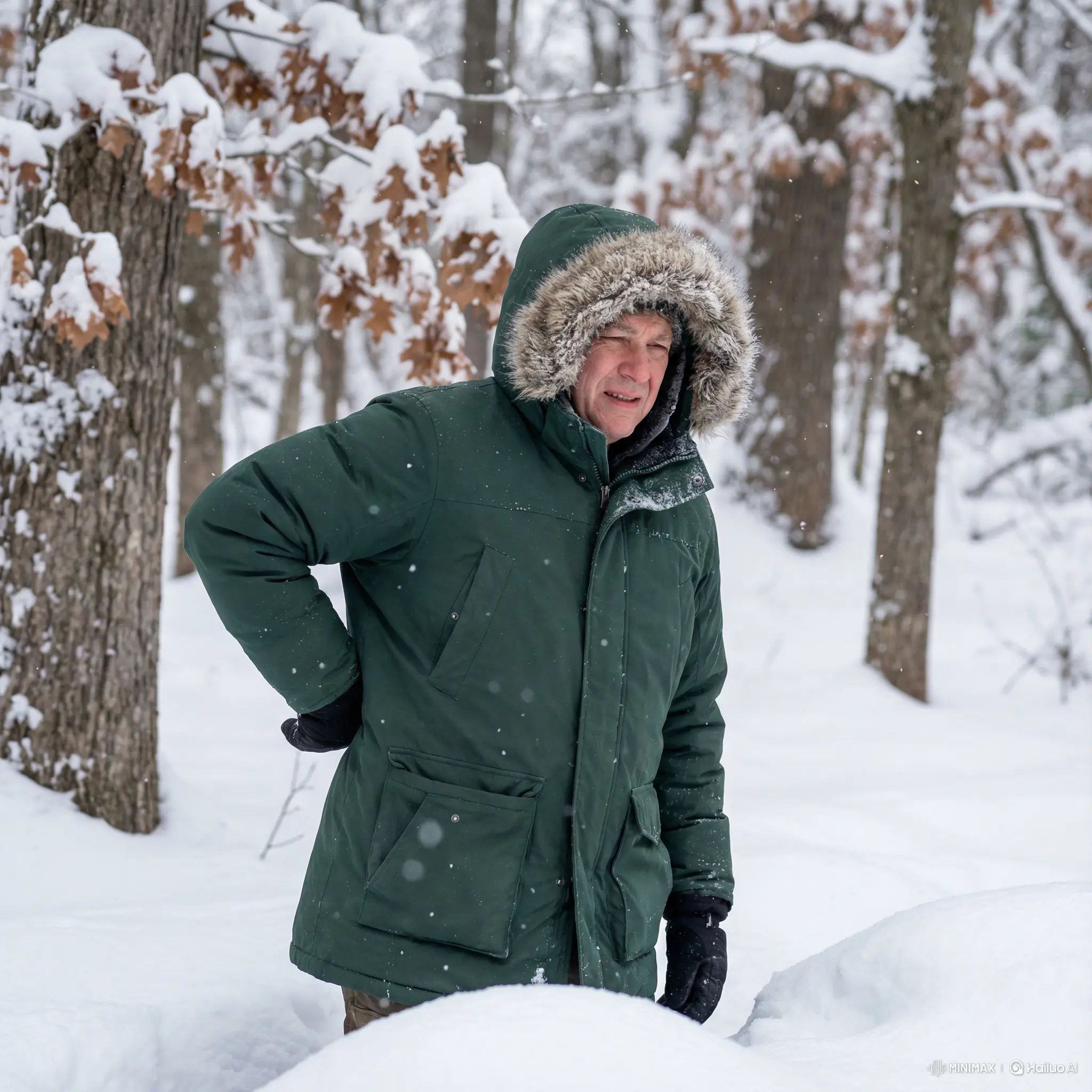
You step out of your warm car into the freezing Michigan air, and your muscles immediately tighten. Your shoulders hunch up against the cold. Your lower back aches as you walk across the icy parking lot. By the time you get inside, your whole body feels stiff and sore.
This isn’t just “being cold.” This is real pain that makes simple movements difficult. Maybe you spent an hour shoveling snow yesterday, and you’re still feeling it today. Maybe your neck and shoulders are constantly tense from hunching against the wind. Maybe that heavy winter coat is throwing off your posture, and now your back is complaining.
You’ve probably told yourself this is just winter. Everyone hurts when it’s cold. You need to toughen up and deal with it. After all, we live in Michigan. Winter comes every year.
But what if your winter muscle pain isn’t inevitable? What if your body is trying to tell you something important? What if you could actually feel good during these long, cold months instead of just surviving until spring?
Why Does Cold Weather Cause Muscle Pain?

Cold weather muscle pain isn’t in your head, and it’s not a sign of weakness. There’s real physiology happening in your body when temperatures drop. Understanding why cold causes pain helps you address it effectively.
When you’re exposed to cold, your body’s first priority is protecting your core organs. Your blood vessels constrict to keep warm blood near your heart, lungs, and other vital organs. This process, called vasoconstriction, means less blood flows to your muscles. Less blood means less oxygen and fewer nutrients reaching your muscle tissue. Muscles that aren’t getting adequate blood flow become tight, stiff, and more prone to injury.
Your muscles also tighten to generate heat. You’ve probably noticed shivering when you’re really cold. That’s your muscles contracting rapidly to create warmth. But even before you shiver, your muscles are working harder than usual just to maintain your body temperature. This constant low-level tension builds up over hours and days, creating the persistent achiness that many people feel all winter long.
Cold tissues are simply less flexible than warm tissues. Think about how a rubber band becomes brittle and less stretchy in the freezer. Your muscles, tendons, and ligaments respond similarly to cold. When these tissues are cold and stiff, sudden movements or exertion can cause strains more easily than they would in warmer weather.
Your nerve endings also become more sensitive in the cold. Pain signals that your brain might ignore in summer suddenly feel more intense in winter. Your pain threshold actually lowers when you’re cold, which means the same amount of tissue stress creates more perceived pain.
The Science Behind Winter Body Aches
There’s another factor at play during Michigan winters that many people don’t realize. Barometric pressure changes significantly with winter weather systems, and these pressure changes affect your body.
When barometric pressure drops, which often happens before a storm, the tissues in your body expand slightly. If you already have inflammation or tight muscles, that slight expansion pushes against nearby nerves. This is why some people can literally “feel a storm coming” in their muscles or joints. It’s not folklore. It’s physics affecting biology.
People with arthritis often notice their symptoms worsen dramatically in winter. The combination of cold temperatures, barometric pressure changes, and reduced activity creates a perfect storm for joint pain and stiffness. Even if you don’t have diagnosed arthritis, you might have minor joint inflammation that becomes symptomatic only in winter weather.
Then there’s the activity reduction factor. When it’s cold outside, most people naturally move less. We stay indoors more. We skip walks. We avoid outdoor activities. Our bodies become more sedentary during winter months. Reduced movement means muscles and joints become stiff from lack of use.
But then comes the sudden intense activity. You go from sitting inside for days to shoveling heavy, wet snow for an hour. Your unprepared, sedentary muscles suddenly face intense demands. This combination of prolonged inactivity followed by sudden exertion is a recipe for injury and pain.
Winter also brings specific physical stressors that people don’t always recognize. Heavy winter coats compress your shoulders and change how you carry yourself. Bulky boots alter your gait and put unusual stress on your hips, knees, and lower back. You unconsciously tense against the cold, hunching your shoulders and clenching your jaw. When you walk on ice, your body creates protective tension patterns, keeping muscles tight to help you catch yourself if you slip.
All these factors compound. It’s not just one thing causing your winter muscle pain. It’s cold plus pressure changes plus reduced activity plus heavy clothing plus tension patterns plus sudden snow shoveling. Your body is trying to manage multiple stressors simultaneously, and pain is the result.
As a physiology instructor at Lansing Community College and a chiropractor specializing in musculoskeletal health, I see these patterns amplify every year during Michigan winters. Your body is responding normally to abnormal levels of stress. Understanding this helps us address the problem strategically instead of just pushing through the pain.
When Winter Muscle Pain Needs Professional Attention
Not all winter discomfort requires professional care, but knowing the difference between normal cold-weather achiness and pain that needs attention is important.
Normal winter discomfort includes brief muscle tightness that resolves once you’re warm again. Maybe you feel stiff when you first wake up, but it loosens within a few minutes of moving around. Perhaps you’re mildly sore the day after shoveling, but the soreness fades quickly. You might feel generally achy on really cold days, but it doesn’t limit what you can do. This kind of discomfort is your body’s normal response to winter conditions.
However, certain signs indicate something more serious is happening. If pain persists even when you’re warm and comfortable, that’s concerning. Stiffness that lasts more than 30 minutes after waking suggests significant inflammation or joint dysfunction. Sharp, shooting pain with movement indicates possible nerve involvement or acute injury. When pain limits your daily activities like driving, getting dressed, or working, it’s interfering with your quality of life and deserves attention.
Pay attention to one-sided pain. If your left shoulder hurts but your right doesn’t, or your right hip aches but your left feels fine, that suggests a specific injury or alignment issue rather than just general cold response. Pain that wakes you at night indicates significant inflammation. Headaches that accompany neck and shoulder tension can signal cervical spine problems. Numbness or tingling anywhere suggests nerve compression that needs evaluation.
Some situations require immediate care. If you experience sudden severe pain after slipping on ice or taking a fall, get evaluated promptly. Pain accompanied by fever or other unexplained symptoms needs medical attention. Progressive weakness or pain that steadily gets worse over several days instead of improving should be checked.
Here’s an important pattern to recognize. If you had mild back or neck issues before winter, cold weather often amplifies them. Existing spinal misalignments that caused no symptoms in summer suddenly become painful in winter. Old injuries from years ago might “wake up” when temperatures drop. This doesn’t mean you’ve created new damage. The cold is revealing problems that were already there but compensated for in better conditions.
Your body gives you signals for a reason. Pain is information, not personal failure. Early intervention prevents minor issues from becoming major problems. Don’t wait until spring to address winter pain. The sooner you get help, the easier the problem is to resolve.
How Chiropractic Care Relieves Cold Weather Muscle Pain

Chiropractic care addresses winter muscle pain by working with your body’s natural healing mechanisms rather than just masking symptoms. Let me explain how and why it’s effective for cold-weather issues.
Winter activities like shoveling, slipping on ice, and tensing against the cold create misalignments in your spine and other joints. Heavy winter coats and bulky boots alter your normal posture and gait. Protective tension patterns from walking on ice lock joints in suboptimal positions. These misalignments create stress on surrounding muscles, which then tighten to try to stabilize the unstable joints.
Gentle chiropractic adjustments restore proper alignment to your spine and joints. When joints are positioned correctly and moving freely, the surrounding muscles can relax. They no longer need to work overtime trying to stabilize misaligned structures. This is why many patients notice immediate reduction in muscle tension after an adjustment, even though we’re working primarily with joint alignment.
Proper alignment also supports better circulation. Remember how cold causes vasoconstriction and reduced blood flow to muscles? When your spine is properly aligned, nerve signals from your brain travel more efficiently to control blood vessel function. Better nerve communication means better circulation. More blood flow delivers more oxygen and nutrients to muscle tissue, helping counteract some of the cold-induced circulation problems.
Chiropractic adjustments specifically support your parasympathetic nervous system. This is the “rest and digest” part of your nervous system that promotes healing and relaxation. Cold weather triggers your sympathetic “fight or flight” response. Chronic muscle tension is actually nervous system tension manifesting physically. By supporting parasympathetic activation, particularly through work with your mid-back and thoracic spine where many of these nerves are located, chiropractic care helps your body shift out of that chronic stress state.
There’s also a pain-tension cycle that chiropractic care interrupts. Pain causes your muscles to guard and tighten protectively. That muscle guarding creates more tension. The tension restricts movement. Restricted movement causes more pain. This cycle feeds on itself and can persist even after the original injury has healed. Chiropractic care breaks this cycle at multiple points by reducing pain, releasing tension, and restoring movement.
Winter chiropractic care is somewhat different from warm-weather care because we’re addressing seasonal stressors. We focus on areas particularly stressed by winter activities like the shoulders and upper back from shoveling, the lower back from altered gait in heavy boots, and the neck from hunching against cold. We address postural compensations created by heavy winter clothing. We work with your seasonal activity patterns, providing preventive care before major snow events and responsive care after winter injuries.
In my practice, I use gentle adjustments that are appropriate for cold-stiffened tissues. I never use forceful manipulation. We always work with gentle techniques that support your body’s natural alignment. I often combine spinal care with soft tissue work to address both joint and muscle problems. Education is a key part of care, helping you understand winter-specific body mechanics and how to protect yourself during cold months. For some patients, I incorporate homeopathic remedies that support the body’s natural anti-inflammatory processes.
The goal is always working with your body, not forcing it into positions or creating more trauma. Cold weather already stresses your tissues. Our job is to support your body’s ability to adapt and heal, not add more stress.
Self-Care Strategies for Winter Muscle Pain Relief

Professional chiropractic care is important, but there’s also much you can do at home to manage winter muscle pain and prevent problems from developing.
Before going out in the cold, prepare your body. Do some brief warmup movements indoors like arm circles, gentle stretches, and walking around your house. Layer clothing properly using multiple thin layers rather than one heavy coat. This gives you flexibility to adjust as you warm up from activity. Wear supportive boots with good traction to prevent slips and reduce the fear-based tension that comes from walking on ice. Give yourself extra time for winter activities. Rushing in cold weather increases injury risk dramatically.
During winter activities like snow shoveling, take frequent breaks. Your muscles fatigue faster in the cold, and tired muscles are injury-prone muscles. Use proper body mechanics by lifting with your legs instead of your back. Bend your knees, keep your back straight, and let your leg muscles do the heavy work. Push snow instead of lifting it whenever possible. Alternate which side you’re working from to avoid repetitive strain on one side of your body. Stay hydrated even though you might not feel thirsty. Cold, dry winter air causes significant water loss through breathing.
After cold exposure, help your body recover. Do gentle stretching once you’re warmed up, never when you’re still cold. Take a hot bath or shower to restore circulation to your muscles. If you’ve had an acute injury like pulling something while shoveling, use ice for the first 24 to 48 hours. For chronic stiffness and tension, heat is more helpful. Don’t collapse on the couch immediately after coming in from the cold. Keep moving gently to help your body transition.
Develop daily winter habits that support your musculoskeletal health. Keep moving even when it’s cold outside. Indoor walking, gentle yoga, or simple stretching routines prevent the stiffness that comes from winter sedentary behavior. Maintain good posture despite heavy clothing. When you sit down, take off your heavy coat instead of letting it compress your shoulders unnecessarily. Stay hydrated because winter air is extremely dry and dehydration affects muscle function. Make sure you’re getting adequate vitamin D, as low winter sunlight affects both bone and muscle health. Prioritize sleep quality because your body repairs tissue damage during deep sleep.
Know when to modify your activities. If something hurts, stop and reassess rather than pushing through sharp pain. Ask for help with heavy shoveling if you’re not physically prepared for it. Use a snow blower if you have access to one. Spread large tasks like clearing a long driveway over multiple days instead of trying to do everything at once.
Equally important is knowing what not to do. Don’t go from zero movement to intense snow shoveling without any preparation. Don’t ignore pain hoping it will resolve on its own, especially if it persists for several days. Don’t stay completely sedentary just because it’s cold outside. Movement helps prevent pain even if outdoor movement is limited. Don’t skip warmup just because “it’s only shoveling.” Your body doesn’t distinguish between exercise and work. Both require preparation.
These self-care strategies support your body’s ability to handle winter stress, but they work best in combination with professional care when pain persists or limits your activities.
Get Relief from Winter Muscle Pain in Grand Ledge
Michigan winters last months, not weeks. We’re only in early December, and there are many cold weeks ahead. Every day you spend in pain is a day you could feel better. Cold weather muscle pain responds remarkably well to chiropractic care, and most patients notice significant improvement within two to three visits.
Winter should be enjoyable, not something you just survive. You should be able to play in the snow with your kids, shovel your driveway without dreading the aftermath, attend holiday gatherings without your body aching, and sleep comfortably through cold nights. Your body is capable of feeling good even in winter. You don’t have to accept pain as an inevitable part of the season.
When you come in for your first visit, we’ll do a comprehensive assessment of your alignment and movement patterns. We’ll discuss your specific winter activities and stressors, whether that’s shoveling, walking on ice, spending long hours at a desk, or something else. We’ll evaluate how cold weather specifically affects your body and whether there are patterns we can address. From there, I’ll create a customized care plan designed for your individual needs and situation.
You’ll receive a gentle adjustment appropriate for winter-stiff tissues. We’ll never use forceful techniques or do anything that feels unsafe or uncomfortable. I’ll provide education on preventing winter pain patterns specific to your activities and lifestyle. We’ll discuss home care strategies you can implement immediately. The goal is giving you tools and support to feel better quickly and stay better throughout the winter.
Why address this now instead of waiting? We’re facing months of winter ahead. The holiday season brings additional physical demands like decorating, shopping, cooking, and traveling. Addressing pain now prevents it from worsening over weeks of continued cold exposure and activity. It’s much easier to maintain proper alignment than to restore it after months of compensation patterns. Most importantly, you deserve to enjoy this season instead of just enduring it.
I understand Michigan winter challenges because I live here too. As a chiropractor specializing in musculoskeletal pain and alignment, and as a physiology instructor at Lansing Community College, I bring both practical clinical experience and scientific understanding to your care. My approach is holistic, incorporating movement education, spinal alignment, and natural approaches to support your body’s healing. I serve families throughout the Grand Ledge community and understand the specific challenges our local winters bring.
Don’t wait until spring to feel better. Winter in Michigan is challenging enough. Your body shouldn’t make it harder.
Schedule your winter wellness assessment today.
Dr. Andrea L Herrst DC
221 S Bridge St rm 3, Grand Ledge, MI 48837
Phone: 517-980-0366
Email: info@drherrst.com
Website: https://drherrst.com/
Cold weather doesn’t have to mean constant pain. Your body is capable of feeling good even during long Michigan winters. Help is available right here in Grand Ledge. Let’s work together to make the rest of your winter more comfortable.
ABOUT THE AUTHOR
Dr. Andrea L Herrst is a Doctor of Chiropractic specializing in women’s health, pregnancy care, musculoskeletal pain, and holistic wellness. She serves families in Grand Ledge, Michigan, and is also an instructor of physiology at Lansing Community College. Dr. Herrst integrates evidence-based chiropractic care with holistic approaches including homeopathy, focusing on supporting the body’s natural ability to heal and function optimally. Her practice emphasizes gentle, effective care for pain management, winter wellness, and helping patients maintain active, comfortable lives year-round.