

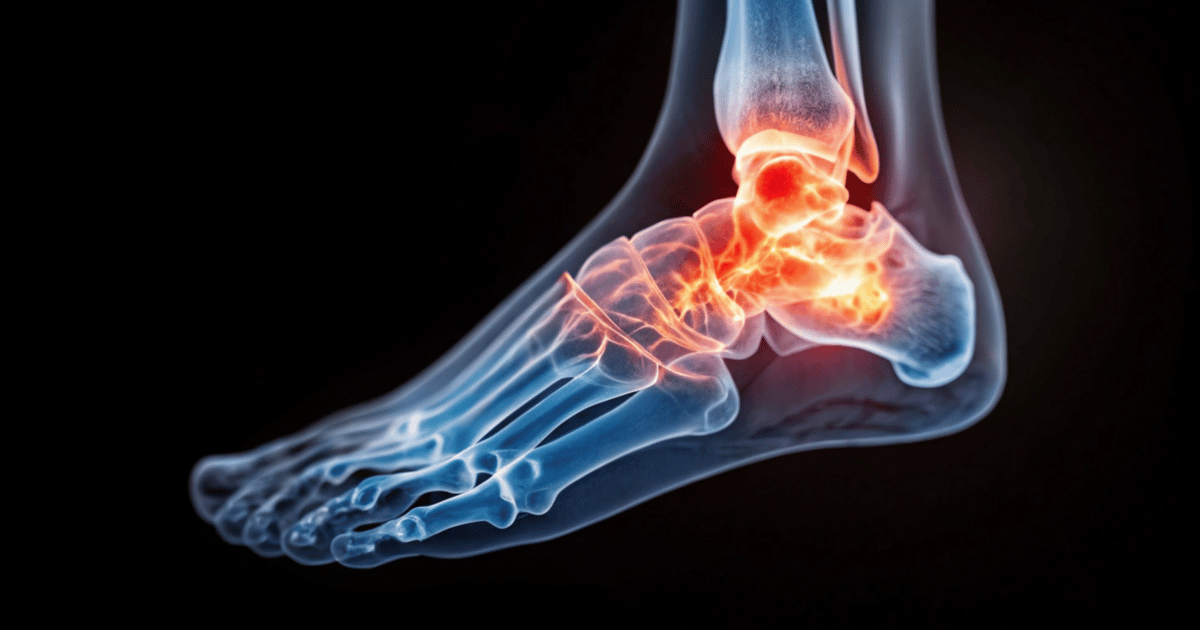
You wake up on a gray Michigan morning, and before you even look outside, you know. A storm is coming. Your knees ache. Your hands feel stiff. That familiar deep throb in your hips tells you what the weather forecast will confirm hours later.
Your partner jokes that you’re more accurate than meteorologists. Your daughter rolls her eyes when you mention the storm coming tomorrow. Your previous doctor dismissed it entirely: “Weather doesn’t cause arthritis. That’s an old wives’ tale.”
But you know your body. You’ve predicted rain 24 hours before the first drop falls more times than you can count. This isn’t imagination. This isn’t you being dramatic. This is real pain that happens every single time the weather changes.
What if you stopped questioning whether weather affects your arthritis and started understanding why it does? What if the science actually supports what you’ve known all along?
The Science Is Clear: Weather Really Does Affect Arthritis
You’re not imagining it, and you’re definitely not alone. Research published in the Journal of Rheumatology found that 67 percent of people with arthritis reported weather sensitivity, with barometric pressure being the most common trigger. Multiple peer-reviewed studies confirm that barometric pressure changes, temperature drops, and humidity shifts genuinely affect inflamed joints.
Your lived experience isn’t psychosomatic. It’s not coincidence. It’s not “in your head.” It’s real physiology that scientists have studied, measured, and validated. The fact that some doctors dismiss it doesn’t make it less true. It just means they haven’t kept up with the research.
Multiple factors are at play when weather affects your arthritis. Temperature changes how your tissues contract and expand. Barometric pressure affects how fluids move in and around your joints. Humidity interacts with both of these. Individual sensitivity varies dramatically, which is why some people are “human barometers” while others barely notice weather changes.
I treat a patient I’ll call Margaret. She’s 64, has osteoarthritis in both knees and her hands. For three years, she told me she could predict storms 48 hours before they arrived. Her daughter thought she was being dramatic. Her previous doctor told her it was impossible, that she was just noticing pain more when she expected storms.
When I sat down with Margaret and explained the science of barometric pressure, how atmospheric changes cause tissue expansion, how that expansion pushes on already-inflamed nerves, she cried. Not from pain. From validation.
“Someone finally believes me,” she said.
We worked together on joint alignment, movement patterns, and natural anti-inflammatory strategies. She still has arthritis. The weather still affects her joints. But now she understands why it happens. She prepares before storms hit instead of being blindsided by pain. She has tools that actually work for her body.
Last week she texted me: “Storm coming tomorrow, already did my warm compress and gentle movements. Ready for it this time.”
That’s the difference between suffering through arthritis and managing it with informed control.
How Barometric Pressure, Temperature, and Humidity Impact Your Joints
Let me break down exactly what’s happening in your body when the weather changes.
Barometric pressure is the weight of the atmosphere pressing down on everything, including you. Normal atmospheric pressure is about 14.7 pounds per square inch at sea level. When a storm system approaches, that pressure drops. It might not sound like much, maybe dropping to 14.5 or 14.4 pounds per square inch, but your body notices.
When atmospheric pressure drops, the pressure inside your joints stays the same for a moment. This difference allows tissues to expand slightly. If you have inflammation in your joints, which arthritis causes, that inflamed tissue is already putting pressure on nearby nerves. When the tissue expands even a little bit more, it pushes harder on those nerves. More pressure on nerves equals more pain signals sent to your brain.
This is why you feel storms coming 12 to 48 hours before they arrive. The barometric pressure starts dropping well before the actual rain or snow begins. Your joints are literally responding to atmospheric physics.
Temperature affects arthritis through a different mechanism. Cold causes your muscles, tendons, and ligaments to contract. When these tissues contract, they pull on your joints. Cold also reduces blood flow to your extremities, especially your hands, knees, and feet. Less circulation means less oxygen and fewer nutrients reaching your joint tissues. Less blood flow also means the synovial fluid inside your joints, which lubricates them like oil in an engine, becomes thicker and less effective. Thicker fluid means more friction when you move. More friction means more discomfort.
Think about how a rubber band becomes stiff and brittle when you put it in the freezer. Your connective tissues respond similarly to cold. They lose flexibility, they move less smoothly, and they’re more prone to strain when you use them.
Humidity plays a supporting role. High humidity affects how tissues expand and can interact with barometric pressure changes. Some people are more sensitive to humidity than temperature. This explains why “damp cold” often feels worse than “dry cold” even at the same temperature. The moisture in the air creates additional pressure on tissues.
Michigan winters create what I call the perfect storm for arthritis. We get cold temperatures plus pressure changes from frequent winter storm systems plus humidity from lake effect weather. These aren’t isolated factors. They compound each other. Your body isn’t dealing with just one stressor. It’s managing multiple simultaneous challenges to your joints.
Both osteoarthritis, the wear-and-tear type that most people develop as they age, and rheumatoid arthritis, the autoimmune inflammatory type, respond to weather changes. Any condition that involves joint inflammation becomes more symptomatic when weather triggers tissue expansion and reduced circulation.
As a physiology instructor at Lansing Community College and a chiropractor treating arthritis patients in Grand Ledge, I see these weather patterns affect my patients every winter. The science is clear, and so is the impact on daily life.
Arthritis Weather Myths vs. Reality
Let me address some myths that probably frustrate you as much as they frustrate me.
Myth: “It’s all in your head. Weather doesn’t actually cause pain.”
Reality: Multiple peer-reviewed studies confirm barometric pressure changes, temperature drops, and humidity shifts affect inflamed joints. Your lived experience is scientifically valid. Dismissing your experience doesn’t make doctors right. It makes them uninformed about current research.
Myth: “If you just stayed positive, the pain wouldn’t be as bad.”
Reality: Mindset helps with coping, absolutely. But positive thinking doesn’t change tissue inflammation or nerve sensitivity. You’re not weak for acknowledging real physical pain. You’re honest about what’s happening in your body.
Myth: “Nothing helps arthritis except medication.”
Reality: Medication is one tool in the toolbox. Joint alignment, appropriate movement, weight management, anti-inflammatory foods, and stress reduction all impact arthritis progression and pain levels. Many people get significant relief from combining approaches rather than relying on medication alone.
Myth: “Exercise makes arthritis worse.”
Reality: The right movement protects joints and maintains function. Avoiding all movement causes stiffening and actually speeds up arthritis progression. The question isn’t whether to move. It’s what movement and how much. Gentle, appropriate exercise is medicine for arthritic joints.
Myth: “Once you have arthritis, it only gets worse.”
Reality: Progression rate varies dramatically based on how you manage the condition. Many people maintain good function for decades with proper care. Arthritis is degenerative, yes, but the speed of degeneration isn’t set in stone.
The 2-Minute Arthritis Weather Sensitivity Assessment
Take this quick self-check to understand your specific weather sensitivity pattern. Grab a piece of paper or just note your answers mentally.
Question 1: Do you notice joint pain or stiffness increases 12 to 48 hours before weather changes?
- Never → You have low weather sensitivity
- Sometimes → You have moderate weather sensitivity
- Almost always → You have high weather sensitivity
Question 2: Which weather changes affect you most?
- Cold temperatures
- Rainy or stormy weather (barometric pressure drops)
- Humid conditions
- All of the above
Question 3: How long do weather-triggered flares typically last for you?
- A few hours
- 1 to 2 days
- 3 to 5 days
- Ongoing until weather stabilizes
Question 4: Which joints are most affected by weather?
- Hands or fingers
- Knees
- Hips
- Shoulders or neck
- Multiple joints simultaneously
What This Tells You:
If you answered “almost always” to Question 1 and “multiple joints” to Question 4, you’re highly weather-sensitive. You would benefit most from proactive management strategies that address inflammation and joint function before storms arrive.
If your flares last 3 or more days, professional care can help break the pain cycle faster than home care alone. Your body is working hard to manage inflammation, and some support can make a significant difference.
If you answered “all of the above” to Question 2, you’re sensitive to multiple weather factors. This means you need a comprehensive approach, not just one strategy.
What Does an Arthritis Flare-Up Actually Feel Like?
Weather-triggered flares have specific characteristics that help you recognize them.
Common symptoms include increased joint pain that’s noticeably worse than your baseline. You might see swelling in affected joints. Rings feel tight. Knees look puffy. Ankles seem thicker than usual. Stiffness becomes more pronounced, especially morning stiffness that lasts 30 minutes or longer. Your range of motion decreases. You can’t fully extend your fingers or flex your knee as far as you normally can.
Some people notice warmth or redness around joints during flares. Fatigue often accompanies the physical symptoms because your body is working overtime to manage inflammation. Multiple joints typically hurt simultaneously during weather-triggered flares, unlike injury-based pain that’s usually isolated to one area. The pain might wake you at night or prevent you from finding a comfortable sleeping position.
Weather-specific patterns are predictable once you start tracking them. Pain typically starts 12 to 48 hours before the actual weather change. It’s worst when the storm system arrives or when temperature drops most dramatically. You usually experience gradual improvement as the pressure stabilizes or temperature evens out. The pattern cycles with weather systems, which in Michigan winter means frequent flares as storms move through the Great Lakes region.
Hands, knees, and hips are most commonly affected by weather changes, though any joint with existing arthritis can respond. Old injury sites often “light up” during weather changes. If you broke your ankle 20 years ago, that ankle might hurt before storms even if it hasn’t bothered you in years.
Understanding the difference between your baseline arthritis and a flare helps you respond appropriately.
Your baseline is manageable daily discomfort that you’ve learned to work with. It follows predictable patterns. It responds to your usual management strategies. It doesn’t significantly limit your activities, and the pain level stays relatively consistent.
A flare is a sudden increase in pain intensity. While weather-related flares are predictable by weather patterns, they still feel more intense than baseline. Your usual strategies don’t provide the same relief. Activities you normally do become difficult or impossible. The pain level fluctuates dramatically from hour to hour or day to day.
Most flares need attention when they last more than a few days. If severe pain interferes with sleep or daily function, that’s significant. If new joints become symptomatic, your arthritis might be progressing. Redness, heat, or significant swelling could indicate infection and requires immediate medical attention. Fever accompanying joint pain is always concerning.
If your flare isn’t responding to usual management within 48 to 72 hours, professional evaluation can identify whether something else is happening or whether you need a different approach.
Here’s a simple self-assessment tool you can use anytime. Gently squeeze the meaty part of your hand between your thumb and index finger. This shouldn’t cause pain in someone without active inflammation. If it hurts, inflammation is present. This is called the squeeze test, and it’s a quick way to check your inflammation level without any equipment.
How Chiropractic Care Helps Arthritis and Weather-Related Pain
Chiropractic care addresses arthritis by working with your body’s natural healing mechanisms rather than just masking symptoms. Let me explain the specific ways it helps, especially for weather-related flares.
Arthritis often develops in joints that already have alignment issues. Think of it like tire wear on a car. When your wheels are out of alignment, tires wear unevenly. When your joints are misaligned, cartilage wears unevenly. Weather stress amplifies existing mechanical problems.
Gentle chiropractic adjustments restore optimal joint positioning. When joints are properly aligned, they distribute weight and pressure evenly across all surfaces. This reduces stress on any one area of cartilage or surrounding tissue. Less stress means less progressive wear and tear. Proper alignment also allows synovial fluid to circulate more effectively, improving natural lubrication.
Arthritic joints naturally lose range of motion over time. Cold weather makes this worse by causing tissue contraction. Gentle manipulation maintains mobility that arthritis tries to steal. There’s truth to the principle “use it or lose it” with joints. Chiropractic care keeps joints moving through their full range even when weather and inflammation make you want to stay still. This prevents joints from “freezing up” during long Michigan winters.
Inflammation isn’t just a local problem happening in one joint. Your nervous system regulates your entire inflammatory response. The alignment of your spine affects how nerve signals travel between your brain and body. When your spine is properly aligned, those signals flow more efficiently. Better nerve function means better regulation of inflammation throughout your body.
Activating your parasympathetic nervous system, the “rest and digest” part of your nervous system, supports natural healing processes. Work with your mid-back and thoracic spine, where many parasympathetic nerves are located, can help shift your body out of chronic inflammatory states. This reduces systemic inflammation, not just local joint pain.
Cold weather naturally reduces blood flow to your joints as your body prioritizes keeping your core organs warm. Proper spinal and joint alignment supports better circulation throughout your body. Adjustments can improve local blood flow to affected areas. More blood means more nutrients and oxygen reach inflamed tissues. Better circulation also means more efficient removal of inflammatory waste products.
Arthritis pain creates compensation patterns. You limp to avoid putting weight on a painful knee. You favor one hand over the other. You shift your posture to protect a sore hip. These compensations create new problems. Hip arthritis leads to back pain from altered gait. Knee problems cause hip and ankle stress. One arthritic joint can create a cascade of issues throughout your kinetic chain.
Chiropractic care addresses the whole system, not just the joint that hurts most. We treat compensations before they become their own injuries. This prevents the domino effect where one problem creates three more.
Medication masks pain signals but doesn’t improve joint mechanics. Chiropractic care improves actual joint function. The goal isn’t to make you not feel the pain. The goal is to restore function so there’s less pain to feel. Many patients are able to reduce medication dependence when joint function improves, though you should always discuss medication changes with your prescribing doctor.
Chiropractic adjustments don’t have the side effects that many arthritis medications cause. Gentle techniques support your body’s natural healing capacity rather than suppressing symptoms. The focus is on long-term joint health and maintaining quality of life, not just immediate pain relief.
In my practice, I use gentle, low-force techniques that are safe for arthritic joints. I never use aggressive manipulation. We don’t “crack” joints. We make precise, gentle adjustments that restore alignment without creating additional stress on already compromised tissues.
Every treatment is customized to your arthritis severity and location. Someone with mild knee osteoarthritis needs a different approach than someone with severe rheumatoid arthritis in multiple joints. I often incorporate homeopathic anti-inflammatory remedies that support your body’s natural healing processes without the side effects of conventional medication.
Movement education is a key part of care. I teach you how to protect your joints during daily activities, how to move in ways that maintain function rather than accelerate degeneration, and how to recognize early warning signs that you’re stressing joints too much.
My approach is whole-person care. We look at alignment, movement patterns, lifestyle factors, nutrition, stress levels, and natural support options. Arthritis affects your entire life, so care should address your entire life, not just the painful joint.
What You Can Do at Home to Manage Arthritis Through Winter
Professional care is important, but there’s much you can do at home to manage arthritis effectively. Let me give you a framework for Michigan winters specifically.
Michigan Arthritis Calendar: What to Expect and When to Prepare_
December through January: Most Challenging Months
These are typically the coldest months with the most sustained freezing temperatures. Your tissues stay contracted for weeks at a time. Multiple winter storm systems bring frequent barometric pressure changes. Holiday stress compounds physical stress. Family gatherings mean more cooking, standing, and activity that can aggravate joints.
Your focus during these months: Pre-storm preparation and maintaining movement despite cold. Check weather forecasts and prepare your body before systems arrive. Don’t let cold weather be an excuse to stop all movement. Indoor activity is essential.
February: Wild Fluctuation Period
February brings some of the wildest temperature swings. Michigan can see changes of 20 to 30 degrees Fahrenheit in 24 hours. These rapid fluctuations are especially hard on arthritic joints. Ice storms create barometric chaos. Cabin fever sets in, reducing movement and increasing stiffness.
Your focus: Don’t let weather variability stop you from consistent care. When temperature swings wildly, your joints need more support, not less. Consistency matters more than perfection.
March: False Spring Challenges
Days warm up, nights stay freezing. Your body constantly adjusts between warm and cold. Rain increases as winter transitions to spring, bringing more pressure changes. People often overdo activity when weather improves, leading to flares from too much too soon.
Your focus: Gradual increase in activity, not sudden jumps. Just because you can do something doesn’t mean you should do it all at once. Build back slowly.
April through May: Improvement Period
Temperatures warm and stabilize. Barometric pressure changes become less dramatic. Natural increase in outdoor movement supports joint health. This is your body’s recovery period from winter stress.
Your focus: Build strength and function during good months to prepare for next winter. The work you do in spring and summer creates resilience for the following cold season.
Are You Accidentally Making Your Arthritis Worse? The Winter Checklist
Take an honest look at these common behaviors. Check the boxes that apply to you.
Activities That Aggravate Weather-Sensitive Arthritis:
- [ ] Shoveling snow without any warmup or preparation
- [ ] Gripping cold steering wheel with bare hands
- [ ] Staying in one position for hours (holiday movies, long car rides, sitting at gatherings)
- [ ] Skipping movement because it’s “too cold to go out”
- [ ] Using only heat OR only cold without understanding when to use which
- [ ] Increasing sugar and processed foods during holidays
- [ ] Ignoring early flare-up signs until pain becomes severe
- [ ] Overcompensating with one side of your body when the other side hurts
Protective Strategies That Help:
- [ ] Five-minute gentle warmup before cold exposure or activity
- [ ] Keeping joints warm with gloves, knee warmers, and layers
- [ ] Taking movement breaks every 30 minutes
- [ ] Maintaining an indoor walking or stretching routine
- [ ] Alternating heat and cold strategically based on symptoms
- [ ] Eating anti-inflammatory foods even during holiday celebrations
- [ ] Acting at the first sign of flare instead of waiting
- [ ] Addressing compensations before they create new problems
If you checked three or more items in the “aggravates” list, you’re unknowingly making winter harder on your joints. Small changes in these areas can create significant improvements in how you feel.
Managing Arthritis Through Michigan Winters
Let me give you specific strategies for before, during, and after weather changes.
Before Weather Changes (When You Feel It Coming):
Check the weather forecast so you can prepare instead of just react. If you know a major system is approaching, lighten your schedule if possible. Don’t plan heavy activities the day before a storm arrives. Increase anti-inflammatory foods in the day or two before pressure drops. Ensure you’re compliant with any prescribed medications. Plan indoor activities so you’re not tempted to push through outdoor tasks. Prepare easy meals ahead of time because you won’t feel like cooking during a flare.
During Cold Weather and Flare-Ups:
The confusion about heat versus cold ends here. Use heat for chronic arthritis stiffness. Heat increases blood flow, relaxes tight tissues, and improves flexibility. Use cold for acute flare-ups with significant swelling. Cold reduces inflammation in the short term. You can alternate hot and cold in some situations. Try 15 minutes of heat followed by 10 minutes of cold. Warm baths or showers help tremendously. Add Epsom salts for additional benefit. Heating pads work well for persistent stiffness. Never apply heat to severely swollen joints. That makes inflammation worse.
Movement: The Non-Negotiable
Gentle movement prevents stiffening even during flares. Think of the saying “motion is lotion” for arthritic joints. Indoor walking, gentle stretching, and swimming in a heated pool are ideal. Avoid high-impact activities during active flares. Do range of motion exercises daily even if you do nothing else. Ten minutes of movement is infinitely better than none. Move before pain gets severe. It’s much easier to maintain function than to restore it after days of immobility.
Foods That Help (Natural Anti-Inflammatory Approach):
Fatty fish like salmon, mackerel, and sardines are rich in omega-3 fatty acids that reduce inflammation. Colorful vegetables, especially dark leafy greens and brightly colored peppers, provide antioxidants. Berries contain natural anti-inflammatory compounds. Turmeric, the spice that gives curry its yellow color, contains curcumin which reduces joint inflammation. Ginger offers natural pain relief properties. Green tea provides both antioxidant and anti-inflammatory benefits.
Avoid processed foods and excess sugar. Both increase systemic inflammation. During holidays when treats are everywhere, balance indulgences with anti-inflammatory foods the rest of the day.
Lifestyle Adjustments:
Layer your clothing to maintain warmth without bulk. Heavy coats can actually stress your shoulders and upper back. Keep specific joints warm with targeted items like fingerless gloves, knee warmers, or thick socks. Maintain a healthy weight. Every pound of body weight puts four pounds of pressure on your knees. Even small weight loss significantly reduces joint stress.
Stay hydrated. Your synovial fluid needs water to function properly. Winter air is extremely dry, and you lose more water through breathing than you realize. Manage stress actively. Stress increases inflammation throughout your body. Adequate sleep is non-negotiable. Your body repairs damaged tissues during deep sleep. Consider vitamin D supplementation. Winter sunlight is minimal in Michigan, and low vitamin D affects both bone and muscle health.
Joint Protection Strategies:
Use larger, stronger joints when possible. Carry bags with your forearms instead of gripping handles with your fingers. Use assistive devices without shame. Jar openers, reaching tools, and built-up grips on utensils all protect joints. There’s no award for suffering unnecessarily.
Avoid staying in one position for prolonged periods. Change position every 20 to 30 minutes. Set a timer if you need to. Proper ergonomics matter everywhere. Adjust your desk setup, your sleeping position, and how you sit in your car. Wear supportive footwear with good arch support. The stress that poor shoes create travels up through ankles, knees, and hips.
What NOT to Do:
Don’t push through severe pain. Sometimes rest is the right answer. Don’t stay completely sedentary. Movement prevents the stiffening that makes everything worse. Don’t ignore new or worsening symptoms. Changes in your arthritis pattern deserve attention. Don’t rely only on medication without addressing the mechanical issues in your joints. Don’t accept “this is just age” without exploring what’s actually possible with proper care.
Living Well with Arthritis in Grand Ledge, Michigan
Here’s what I want you to understand. “Living with arthritis” doesn’t mean accepting constant pain. Weather will always affect your joints to some degree. That’s physics and physiology. But weather doesn’t have to control your life.
Understanding why weather affects your arthritis changes everything. When you know that barometric pressure drops cause tissue expansion, you can prepare. When you understand that cold contracts tissues and reduces circulation, you can take strategic action. Knowledge transforms you from victim of weather to informed manager of your condition.
You can feel better even during Michigan winters. Many of my patients manage arthritis successfully without it limiting their activities or defining their lives. It takes the right combination of professional care, home strategies, and realistic expectations. You’re not going to eliminate arthritis. But you can absolutely minimize its impact.
When you come in for care, we start with a comprehensive assessment of your joint alignment and mobility patterns. I evaluate how weather patterns specifically affect your joints. Which weather changes trigger your worst symptoms? Are you more sensitive to temperature, pressure, or humidity? Understanding your individual pattern helps us create targeted strategies.
You’ll receive gentle adjustments that are completely appropriate for arthritic joints. I never use aggressive techniques. Everything is modified for your specific condition and comfort level. We work on movement education so you understand how to protect your joints during daily activities. You’ll get a customized care plan based on your arthritis type, severity, and lifestyle.
I integrate with your existing medical care. I’m not trying to replace your rheumatologist or primary care doctor. I’m providing an additional layer of support that addresses the mechanical and functional aspects of arthritis. Many patients find that improved joint function allows them to reduce medication needs, though medication changes should always be discussed with your prescribing physician.
Natural anti-inflammatory support through homeopathy and lifestyle guidance complements the physical care. The goal isn’t just less pain. The goal is maintaining function and quality of life. You should be able to do the things that matter to you.
Why address this now instead of waiting? We’re in early December. Winter has just begun. Michigan faces months of cold weather, multiple winter storm systems, and sustained barometric pressure challenges. Weather patterns will bring repeated flare-up triggers through March at minimum.
Early intervention prevents progressive worsening. Every flare that goes unmanaged can lead to increased inflammation and joint damage. Better joint function now means better resilience against weather challenges ahead. You deserve to enjoy winter activities, not just endure the season. Holiday gatherings should be celebrated, not suffered through.
I understand Michigan winter challenges personally. I live here too. I see the same weather forecasts, drive on the same icy roads, and shovel the same heavy snow. As a physiology instructor at Lansing Community College and a chiropractor specializing in musculoskeletal health and pain management, I bring both scientific understanding and practical clinical experience to your care.
My approach is holistic and honors your whole person. We address chiropractic alignment, incorporate homeopathic support when appropriate, and provide lifestyle guidance that fits your real life. I serve families throughout the Grand Ledge community with compassionate care that respects both the science of arthritis and the human experience of living with chronic pain.
Your joints might be able to predict the weather, but that doesn’t mean they have to hurt every time a storm rolls in.
Schedule your arthritis assessment today.
Dr. Andrea L Herrst DC
221 S Bridge St rm 3, Grand Ledge, MI 48837
Phone: 517-980-0366
Email: info@drherrst.com
Website: https://drherrst.com/
Arthritis doesn’t mean giving up activities you love. Weather will always change, but your response to it can too. Help is available right here in Grand Ledge. You’re not alone in this challenge.
ABOUT THE AUTHOR
Dr. Andrea L Herrst is a Doctor of Chiropractic specializing in women’s health, pregnancy care, musculoskeletal pain, arthritis management, and holistic wellness. She serves families in Grand Ledge, Michigan, and is also an instructor of physiology at Lansing Community College. Dr. Herrst integrates evidence-based chiropractic care with holistic approaches including homeopathy, focusing on supporting the body’s natural ability to heal and function optimally. Her practice emphasizes gentle, effective care for chronic pain management, arthritis support, winter wellness, and helping patients maintain active, comfortable lives throughout all seasons.