
Chiropractic

Is Chiropractic Care the Answer to Your Chronic Neck Pain?
Chiropractic, General Health

Is Chiropractic Care the Answer to Your Chronic Neck Pain?

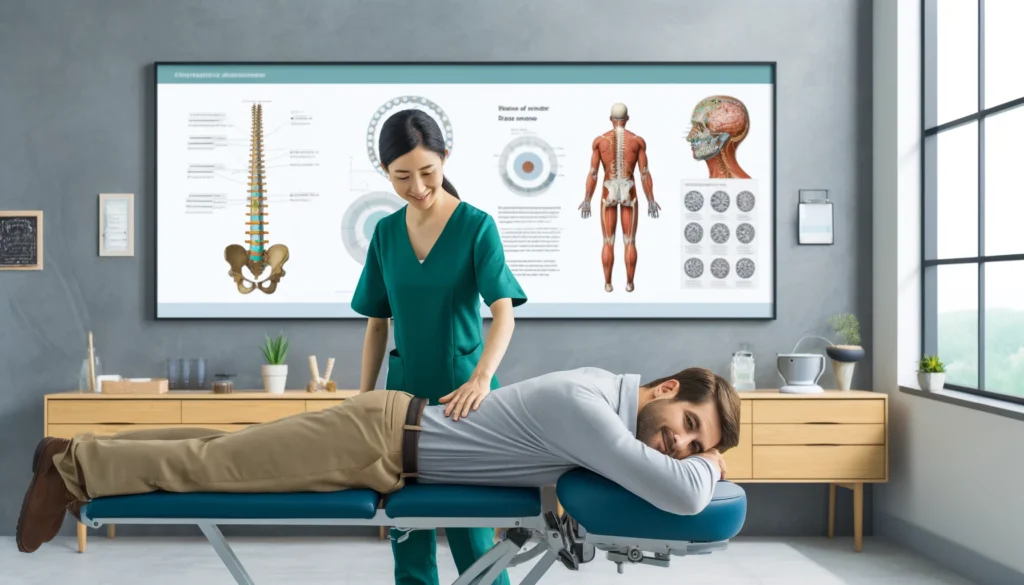
Chronic neck pain can be an extremely frustrating and debilitating issue, often interfering with daily life, sleep, work, and overall health. It’s not uncommon for people suffering from persistent neck pain to feel trapped in a cycle of temporary relief from medications, only to have the pain return or worsen over time. While many turn to traditional treatments like over-the-counter pain relievers, heat packs, or physical therapy, there is increasing interest in a more holistic, drug-free solution: chiropractic care for neck pain. But is chiropractic care really the answer to your chronic neck pain? In this in-depth guide, we’ll explore exactly how chiropractic treatment works for neck pain, what makes it effective, and who it may benefit the most. We’ll also address the most common questions patients ask when considering this form of treatment. What is Chiropractic Care and How Does it Relate to Neck Pain? Chiropractic care is dedicated to identifying and addressing issues within the musculoskeletal system, especially those related to the spine. A key element of chiropractic therapy is spinal manipulation, commonly known as adjustments. These adjustments aim to correct spinal misalignments, which chiropractors believe may disrupt the nervous system and affect the body’s overall health. For neck pain, chiropractors concentrate on the cervical spine, which is made up of the seven vertebrae at the upper part of the spine. Poor posture, injuries, or long-term conditions like degenerative disc disease can all contribute to neck pain, and chiropractic adjustments aim to restore proper alignment to alleviate this discomfort. The Role of the Cervical Spine in Neck Pain The cervical spine carries the weight of your head, which is about 10 to 12 pounds, and allows for a variety of movements, such as turning, tilting, and bending. Over time, poor posture, accidents, or even degenerative diseases can cause misalignments in the cervical spine, leading to pressure on the nerves, reduced blood flow, and chronic pain. Chiropractors believe that by adjusting the cervical spine, they can relieve the pressure causing your pain, helping the nervous system function more effectively and encouraging the body’s natural healing processes. How Does Chiropractic Care for Neck Pain Work? When most people think of chiropractic treatment, they imagine the popping or cracking sounds that come from spinal adjustments. However, chiropractic care is much more than that. For neck pain specifically, chiropractors use a variety of techniques tailored to each patient’s unique situation. Cervical Spinal Manipulation Cervical spinal manipulation is the core treatment for neck pain in chiropractic care. During this procedure, a chiropractor applies a controlled, quick force to specific areas of the neck. This adjustment aims to realign the vertebrae, reduce nerve irritation, and improve joint mobility. Chiropractors often use gentle adjustments in the neck area, especially when dealing with sensitive or inflamed tissues. They may also incorporate special instruments designed to apply precise force without causing discomfort. Who can benefit from spinal manipulation? Patients with tech neck from prolonged use of mobile devices and computers. Those suffering from whiplash due to car accidents or injuries. People with tension headaches caused by poor neck posture. Individuals experiencing cervical osteoarthritis or disc degeneration. Cervical Mobilization For patients who may not be good candidates for high-velocity adjustments, chiropractors may use a gentler technique called cervical mobilization. This involves slow, rhythmic movements that stretch and mobilize the neck joints without the sudden thrusts associated with traditional adjustments. Patients with conditions like fibromyalgia, chronic migraines, or those who are older may benefit from this less aggressive approach. Targeted Exercises and Stretches Alongside spinal adjustments, chiropractors frequently recommend exercises aimed at strengthening the neck and shoulder muscles. These exercises help support the spine and enhance posture. Since poor posture is a leading cause of chronic neck pain, building up the muscles that support the cervical spine is essential for achieving long-term relief. Examples of chiropractor-recommended exercises: Chin tucks: Strengthen the deep neck flexors, which are often weak in people with poor posture. Neck stretches: Gentle stretching exercises to improve range of motion and flexibility. Scapular retraction exercises: Strengthen the muscles between your shoulder blades, reducing strain on your neck. Chiropractors tailor these exercises to the patient’s specific condition, ensuring they target the muscles that most need attention. Additionally, we suggest reading about “Postnatal Chiropractic Care: A Gentle Path to Recovery and Wellness for New Mothers.” Postural and Ergonomic Advice Many patients develop chronic neck pain due to poor posture at work, often from long hours spent sitting at a desk or staring at a computer screen. Chiropractors not only treat the immediate symptoms but also provide advice on how to prevent the recurrence of neck pain by improving posture and workstation ergonomics. For example, a chiropractor may recommend: Adjusting your computer screen so it’s at eye level to prevent craning your neck. Using a supportive chair with lumbar support to encourage better posture. Taking frequent breaks to stand up, stretch, and reset your posture throughout the day. Chiropractic care for neck pain often includes these lifestyle modifications to ensure the patient doesn’t undo the benefits of treatment with poor habits. Soft Tissue Therapy In many cases of chronic neck pain, the muscles surrounding the cervical spine can become tight, tense, and inflamed. Soft tissue therapies, such as massage or trigger point therapy, are often used by chiropractors to relieve muscle tension and improve blood flow to the affected area. These therapies help reduce muscle spasms, tightness, and inflammation, which are common contributors to chronic neck pain. By addressing the soft tissues along with the cervical spine, chiropractors aim to provide a more comprehensive treatment plan. Addressing Patient Concerns When considering chiropractic care for chronic neck pain, many patients have specific concerns or questions. Let’s address some of the most common ones. Is Chiropractic Care Safe for Chronic Neck Pain? One of the primary concerns people have is whether chiropractic adjustments, especially in the neck area, are safe. Research shows that chiropractic care is generally safe for most patients when performed by a licensed and experienced chiropractor. However,

Postnatal Chiropractic Care: A Gentle Path to Recovery and Wellness for New Mothers
Chiropractic, General Health

Postnatal Chiropractic Care: A Gentle Path to Recovery and Wellness for New Mothers

Becoming a mother is an incredible journey filled with moments of joy, wonder, and change. But the postpartum period, which follows childbirth, can be equally challenging as the body undergoes significant transformations. Amid sleepless nights, new routines, and caring for a newborn, many mothers find themselves dealing with physical discomfort and pain. This is where postnatal chiropractic care comes into play—providing gentle, non-invasive support to help new mothers recover and regain their well-being. Understanding the Postnatal Period The postpartum or postnatal period refers to the time immediately after childbirth, typically lasting up to six weeks, but recovery can extend much longer. During this time, the body is healing from the physical demands of pregnancy and labor. Many new mothers experience challenges like: Lower back pain due to the strain placed on the spine during pregnancy. Pelvic misalignment from the weight and positioning of the baby. Neck and shoulder discomfort from breastfeeding or bottle-feeding. Joint pain as the body adjusts to a new center of gravity post-pregnancy. These issues can impact a mother’s quality of life and ability to care for her newborn. Traditional methods of pain management, like medication, may not be ideal for mothers who are breastfeeding. This is where postnatal chiropractic care provides a holistic alternative. What Is Postnatal Chiropractic Care? Postnatal chiropractic care involves adjustments and therapies specifically tailored to address the needs of mothers after childbirth. Chiropractors focus on realigning the spine and improving the function of the nervous system, helping the body to heal more naturally. Some of the primary goals of postnatal chiropractic care include: Restoring pelvic alignment to improve posture and alleviate back pain. Reducing muscle tension in the back, neck, and shoulders, which are often strained from holding and feeding a newborn. Encouraging the body’s natural healing processes by ensuring the spine and joints are properly aligned. Chiropractic care is known for its gentle approach, making it suitable for mothers who need support but want to avoid medications or invasive procedures. Benefits of Postnatal Chiropractic Care The postpartum period is a crucial time for self-care, and chiropractic adjustments can offer a range of benefits. Here’s how postnatal chiropractic care can aid recovery and overall wellness: Alleviates Postpartum Back Pain Many women experience back pain during pregnancy due to the added weight and pressure on the spine. After childbirth, this discomfort can linger as the body tries to adjust back to its pre-pregnancy state. Chiropractic adjustments help realign the spine and relieve tension, reducing back pain and improving mobility. This can be especially helpful for mothers lifting, carrying, and caring for their newborns. Improves Pelvic Alignment The pelvis undergoes significant changes during pregnancy and childbirth. These changes can lead to pelvic misalignment, resulting in hip pain and difficulties in performing daily activities. Postnatal chiropractic care focuses on realigning the pelvis, which can ease pain and make movement more comfortable. Realigning the pelvis also aids in supporting better posture, which can prevent the development of chronic pain conditions that may arise from compensating for discomfort. Improved pelvic alignment can even support a more stable core, helping new mothers regain their physical strength. Supports Hormonal Balance and Emotional Well-being Chiropractic care is not only about physical adjustments—it also influences the nervous system. By reducing tension and improving spinal alignment, chiropractic care can help support better nervous system function. This can play a role in stabilizing hormones, which are often in flux during the postpartum period. New mothers often experience mood swings, anxiety, and even symptoms of postpartum depression. While chiropractic care is not a cure for these conditions, it can help alleviate some of the physical stressors that contribute to a new mother’s emotional strain. With less physical discomfort, mothers can focus more on bonding with their baby and enjoying the new chapter of their life. Promotes Better Sleep Sleep deprivation is a common challenge for new mothers. Physical discomfort, whether from back pain or muscle strain, can make it even harder to rest. By addressing musculoskeletal issues, postnatal chiropractic care can help mothers experience less pain when lying down and improve their quality of sleep. Additionally, chiropractic adjustments may help calm the nervous system, which can create a more relaxed state conducive to better rest. Even small improvements in sleep can significantly impact energy levels and overall mood during the day. Additionally, we suggest reading about “Is Chiropractic Care the Answer to Your Chronic Neck Pain?” Provides Personalized Care Every woman’s postpartum experience is unique, and chiropractic care is highly personalized to meet individual needs. Chiropractors often perform a thorough assessment to understand specific issues before developing a tailored treatment plan. This ensures that each adjustment is safe, effective, and appropriate for the mother’s current physical condition. For example, some mothers may need more focus on lower back adjustments, while others may benefit from targeted neck and shoulder care. This customized approach makes chiropractic care a versatile option during the postnatal period. How Soon Can New Mothers Start Postnatal Chiropractic Care? One common question is when new mothers can begin receiving chiropractic care. The answer depends on each woman’s unique childbirth experience. Some mothers start as early as a few days after delivery, especially if they had a smooth and uncomplicated birth. Others, particularly those recovering from a C-section or other complications, may wait a few weeks until their doctor gives the go-ahead. It is always advisable to consult with a healthcare provider before starting chiropractic care after childbirth to ensure that it is safe and appropriate for individual recovery. What to Expect During a Postnatal Chiropractic Session? A postnatal chiropractic session often starts with a detailed consultation to understand the mother’s concerns and any specific discomforts she is experiencing. The chiropractor may perform gentle adjustments using techniques suitable for the postnatal body, focusing on areas like the lower back, hips, and neck. Sessions may also include soft tissue therapy to relieve muscle tension and advice on simple exercises or stretches that can support recovery. Mothers can expect a calm and supportive environment

How Does a Holistic Health Center Address Mind, Body, and Spirit?
Chiropractic, General Health

How Does a Holistic Health Center Address Mind, Body, and Spirit?

In recent years, the approach to health and wellness has evolved significantly, shifting from conventional treatments focused solely on physical ailments to a more comprehensive understanding of well-being that encompasses the mind, body, and spirit. A holistic health center embodies this shift, offering a range of services that aim to heal individuals as a whole. This blog explores how holistic health centers address these three interconnected aspects of human experience, emphasizing their importance for overall health and wellness. What is Holistic Health? Holistic health is an approach that views individuals as complete beings—encompassing mind, body, and spirit—rather than focusing solely on specific symptoms or illnesses. This perspective acknowledges the strong connection between physical health and emotional and spiritual well-being. Holistic health centers are founded on the principle that genuine wellness is attained when all elements of a person’s life are in balance and operating in harmony. By incorporating a variety of therapies and practices, these centers strive to foster comprehensive healing and overall wellness. The Mind: Mental and Emotional Well-being The mind is vital for maintaining overall health. Conditions such as stress, anxiety, depression, and unresolved emotional challenges can contribute to physical health problems. To address these issues, holistic health centers frequently offer various therapies and services aimed at enhancing mental and emotional wellness, such as: Counseling and Psychotherapy: Many holistic centers offer mental health services, including individual and group therapy, to help clients address emotional challenges and gain insight into their behaviors and thought patterns. Mindfulness and Meditation: Practices such as mindfulness meditation can help individuals develop greater awareness of their thoughts and feelings, leading to reduced stress and anxiety. Holistic centers may offer workshops and classes to teach these valuable skills. Yoga and Movement Therapy: Physical activity is known to benefit mental health. Yoga and other movement therapies help individuals connect their bodies and minds, fostering relaxation and emotional release. Nutritional Counseling: Nutrition impacts both physical and mental health. Holistic health centers often provide personalized dietary advice to improve mood and energy levels, promoting overall well-being. The Body: Physical Health and Wellness Physical health is an super essential aspect of holistic wellness. Holistic health centers offer a variety of treatments and practices that support physical health while recognizing the importance of treating the root causes of illness. Some common approaches include: Natural Medicine: Holistic centers frequently employ natural remedies, such as herbal medicine, acupuncture, and homeopathy, to promote healing and alleviate symptoms without the side effects often associated with pharmaceuticals. Chiropractic Care: Many holistic health centers incorporate chiropractic care, which focuses on spinal alignment and the nervous system, to enhance physical health and alleviate pain. Massage Therapy: Massage is an effective way to release physical tension and promote relaxation. Holistic centers often provide various types of massage therapy to support physical and emotional well-being. Fitness and Exercise Programs: Holistic health centers may offer fitness programs that emphasize not only physical conditioning but also the enjoyment of movement, helping individuals develop a healthier relationship with their bodies. Additionally, we suggest reading out “Is Chiropractic Care the Answer to Your Chronic Neck Pain?” The Spirit: Spiritual Wellness and Connection Spirituality is a fundamental component of holistic health, often influencing one’s sense of purpose, meaning, and connection to the world. Holistic health centers address spiritual wellness through various practices and approaches, including: Spiritual Counseling: Many holistic centers provide counseling that explores spiritual beliefs and practices, helping individuals find meaning and purpose in their lives. Meditation and Mindfulness Practices: As previously mentioned, meditation can also be a spiritual practice, allowing individuals to connect with their inner selves and explore their beliefs and values. Community and Support Groups: Holistic health centers often foster a sense of community, offering support groups where peoples can share their experiences and connect with others on similar journeys. Workshops and Retreats: Many centers organize workshops and retreats focused on spiritual growth, providing opportunities for individuals to delve deeper into their spirituality and connect with like-minded individuals. Integrating Mind, Body, and Spirit Holistic health centers understand that the mind, body, and spirit are interdependent. An imbalance in one area can affect the others, leading to a cycle of dis-ease. By addressing all three aspects simultaneously, these centers promote a more effective healing process. For instance: Emotional stress (mind) can lead to physical ailments (body), such as tension headaches or digestive issues. By incorporating stress management techniques and physical therapies, a holistic health center can help break this cycle. Spiritual disconnection may result in feelings of emptiness or depression (mind), which can further impact physical health. Holistic practices, such as meditation or community engagement, can foster a sense of belonging and purpose. By recognizing and treating these connections, holistic health centers empower peoples to take an active role in their healing journey. Conclusion Holistic health centers offer a comprehensive approach to well-being, addressing the interconnectedness of mind, body, and spirit. Through various therapies, services, and practices, they promote healing and balance in all aspects of life. This integrated approach not only alleviates symptoms but also empowers individuals to embrace a healthier, more fulfilling lifestyle. To explore the benefits of holistic health for yourself, consider visiting a holistic health center and discovering the diverse range of services available. Schedule an appointment with Dr. Herrst today to begin your journey towards optimal health!

Can a Chiropractor Help with Sciatica? A Deep Dive into Effective Treatment Options
Chiropractic

Can a Chiropractor Help with Sciatica? A Deep Dive into Effective Treatment Options

How can a chiropractor help with sciatica? Sciatica is a common ailment impacting millions worldwide. This condition is marked by pain that radiates along the sciatic nerve, extending from the lower back down the legs. The discomfort can be severe, often interfering with everyday tasks and diminishing overall quality of life. Although traditional treatments such as medication and physical therapy are widely used, an increasing number of people are turning to chiropractic care as a potential alternative or supplementary option. This blog delves into the specific ways chiropractors address sciatica and evaluates the effectiveness of these treatments. The Sciatica Puzzle: What’s Behind the Pain? Understanding sciatica requires a closer look at the underlying causes and mechanisms involved. Sciatica isn’t a separate condition but rather a symptom indicating an underlying problem with the sciatic nerve, the longest nerve in the body. Common Causes of Sciatica: Herniated Disc: When a spinal disc in the lumbar region bulges or ruptures, it can press against the sciatic nerve root. Spinal Stenosis: This condition involves the narrowing of the spinal canal, which can compress the nerve roots. Degenerative Disc Disease: The gradual deterioration of spinal discs can lead to nerve irritation. Spondylolisthesis: Occurs when a vertebra slips out of place, putting pressure on the sciatic nerve. Can a Chiropractor Help with Sciatica Chiropractic Care: A Detailed Approach to Sciatica Chiropractors specialize in identifying and managing musculoskeletal issues, primarily using spinal adjustments as their main method of treatment. Here’s how chiropractic care can specifically address sciatica: Spinal Adjustments: The Core Technique Spinal adjustments, or manipulations, are central to chiropractic care. These techniques involve applying precise force to misaligned vertebrae to restore proper alignment and function. Mechanism of Action: Misaligned vertebrae can irritate or compress nerves. Adjustments aim to realign the spine, reducing pressure on the sciatic nerve and alleviating pain. Research Evidence: A study in the Journal of Manipulative and Physiological Therapeutics showed that chiropractic adjustments led to significant improvement in sciatica symptoms, including pain reduction and functional improvement. Decompression Therapy: Targeted Relief for Herniated Discs Decompression therapy is a specialized method used by chiropractors to treat disc-related issues. Technique: This therapy involves gently stretching the spine to relieve pressure on herniated discs. The aim is to create a negative pressure within the disc, which can help retract the herniated material away from the nerve root. Clinical Support: Research supports its effectiveness, with studies indicating that decompression therapy can lead to substantial pain relief and functional improvement for patients with herniated discs. Addressing Muscle Imbalances: A Holistic Approach Muscle imbalances around the spine can exacerbate sciatica. Chiropractors often incorporate exercises and stretches to address these imbalances. Focus Areas: Strengthening weak muscles and stretching tight ones can improve spinal support and reduce nerve irritation. Customized Plans: Chiropractors develop individualized exercise plans based on the patient’s specific needs, helping to correct imbalances that contribute to sciatica. Complementary Therapies: Enhancing Overall Effectiveness Chiropractors may use additional therapies to complement spinal adjustments and other treatments. Physical Therapy: Includes exercises designed to strengthen core and lower back muscles, enhancing spinal stability. Massage Therapy: Aids in relaxing tight muscles and improving circulation, which can help reduce sciatica symptoms. Heat and Cold Therapy: Applied strategically to manage pain and inflammation. Evidence and Effectiveness of Chiropractic Care The effectiveness of chiropractic care for sciatica is supported by several research studies and clinical trials. Systematic Reviews: Reviews of clinical trials indicate that chiropractic care can be an effective and helpful treatment for sciatica, particularly when combined with other therapies. Patient Outcomes: Many patients report significant improvement in pain levels and functional capacity following chiropractic treatment. When to Consider Chiropractic Care for Sciatica? Chiropractic care may be a viable option if: Conventional Treatments Have Failed: If medications or physical therapy haven’t provided adequate relief, chiropractic care might offer an alternative approach. You Prefer Non-Surgical Options: Chiropractic care is a non-invasive treatment option that can help avoid surgery. You Seek a Holistic Approach: Chiropractors offer a comprehensive approach that addresses both the symptoms and underlying causes of sciatica. Conclusion: Is Chiropractic Care Right for You? So, can a chiropractor help with sciatica? For many individuals, chiropractic care can be a highly effective treatment option. By focusing on spinal adjustments, decompression therapy, muscle imbalances, and complementary therapies, chiropractors can offer significant relief from sciatica symptoms and improve overall quality of life.   Dr. Herrst, a qualified chiropractor with extensive experience in treating sciatica, can provide personalized care tailored to your specific needs. For more detailed information on how chiropractic care might benefit you or to schedule a consultation, contact us today. Discover how expert chiropractic care can help you find relief and get back to living a pain-free life.

The Role of Physical Therapy in Managing Hypermobility and EDS
Chiropractic

Role of Physical Therapy in Managing Hypermobility and EDS

Hypermobility and Ehlers-Danlos Syndrome (EDS) are conditions characterized by joint laxity, excessive flexibility, and, often, chronic pain and fatigue. These conditions can greatly affect a person’s quality of life, making daily activities difficult. Physical therapy is essential in managing these conditions, providing a means to improve mobility, manage pain, and enhance overall well-being. This blog will examine the significance of physical therapy for individuals with hypermobility and EDS, explore the techniques used, and highlight how it can positively impact their lives. Understanding Hypermobility and Ehlers-Danlos Syndrome Hypermobility refers to joints that move beyond the normal range of motion. This condition can be benign or part of a syndrome, such as Ehlers-Danlos Syndrome (EDS). EDS is a group of connective tissue disorders that affect the skin, joints, and blood vessel walls. People with EDS often experience symptoms like joint hypermobility, skin that is easily bruised, and chronic pain. There are several types of EDS, each varying in severity and specific symptoms. The Challenges of Living with Hypermobility and EDS Individuals with hypermobility and EDS face numerous challenges, including: Chronic Pain: Persistent joint pain and muscle aches are common. Joint Dislocations and Subluxations: Joints may dislocate or partially dislocate frequently. Fatigue: Chronic pain and the effort required to stabilize joints can lead to severe fatigue. Digestive Issues: Gastrointestinal problems are common due to the connective tissue involvement. Autonomic Dysfunction: Issues such as orthostatic intolerance and dysautonomia are prevalent. These challenges necessitate a comprehensive approach to management, where physical therapy becomes a cornerstone. The Role of Physical Therapy Physical therapy is essential in managing hypermobility and EDS for several reasons: Pain Management: Through various techniques such as manual therapy, soft tissue mobilization, and therapeutic exercises, physical therapists help alleviate chronic pain. Improving Joint Stability: Strengthening the muscles around hypermobile joints can provide better support and reduce the risk of dislocations and subluxations. Enhancing Mobility: Customized exercise programs improve flexibility and range of motion without overstressing the joints. Postural Training: Proper posture can reduce strain on joints and muscles, alleviating pain and preventing injuries. Education and Awareness: Physical therapists educate patients about their conditions, teaching them how to manage symptoms, recognize early signs of joint issues, and use adaptive strategies in daily activities. Development of a Home Exercise Program: A tailored home exercise regimen helps maintain progress achieved during therapy sessions and empowers patients to take control of their condition. Techniques Used in Physical Therapy Several techniques are employed by physical therapists to manage hypermobility and EDS: Strengthening Exercises: Focused on building muscle strength around the joints to enhance stability. Proprioceptive Training: Improves the body’s ability to sense joint position, reducing the risk of injury. Low-Impact Aerobic Exercises: Activities like swimming or cycling to improve cardiovascular health without putting excess strain on the joints. Manual Therapy: Hands-on techniques to mobilize soft tissues and joints, reducing pain and improving function. Neuromuscular Re-education: Techniques to improve the coordination and control of muscles. Flexibility Exercises: Gentle stretching to maintain range of motion and reduce stiffness. Pain Relief Modalities: Including heat, cold, ultrasound, and electrical stimulation. The Benefits of Physical Therapy The advantages of physical therapy for individuals with hypermobility and EDS are multifaceted: Reduced Pain: Effective pain management strategies decrease chronic pain levels, improving quality of life. Increased Joint Stability: Strengthening and proprioceptive exercises lead to fewer joint dislocations and injuries. Improved Functional Mobility: Enhanced strength and flexibility allow for better performance of daily activities. Greater Independence: Education and tailored exercise programs empower individuals to manage their symptoms effectively. Enhanced Overall Well-being: With reduced pain and improved mobility, patients often experience better mental health and a more active lifestyle. A Personalized Approach Each individual with hypermobility or EDS requires a personalized approach to physical therapy. This approach takes into consideration the specific type of EDS, the severity of symptoms, and the patient’s overall health and lifestyle. Regular reassessment and adjustment of the therapy plan are crucial to address changing needs and ensure the best outcomes.   Final Words Physical therapy is a super vital component in the management of hypermobility and Ehlers-Danlos Syndrome. It offers a comprehensive approach to pain management, joint stability, and overall well-being. By working with skilled physical therapists, individuals with these conditions can achieve better control over their symptoms and lead more fulfilling lives. If you or a loved one is living with hypermobility or EDS, consider consulting with a healthcare professional to explore the benefits of physical therapy. For more information and personalized care, contact Dr. Herrst. Take the first step towards improved health and mobility today!

Natural Fertility Enhancement Services
Chiropractic

Natural Fertility Enhancement Services

At Dr. Andrea L. Herrst’s practice, we offer an extensive and holistic approach to natural fertility enhancement. Our services are carefully designed to address various factors that impact fertility, providing a comprehensive solution tailored to your unique needs. In natural fertility enhancement services, our aim is to aid your journey towards conception by creating an optimal environment for fertility through a combination of chiropractic care, nutritional guidance, and lifestyle modifications. Comprehensive Approach Our Natural Fertility Enhancement program is grounded in a holistic approach that considers the entire person, not just the symptoms. We understand that fertility is influenced by a multitude of factors, including physical health, emotional well-being, nutrition, and lifestyle. Our program is designed to address all these aspects to improve your chances of conceiving naturally. Chiropractic Care Chiropractic care is a cornerstone of our fertility enhancement services. Proper spinal alignment is essential for the optimal functioning of the nervous system, which in turn affects the health of reproductive organs. Misalignments in the spine can interfere with nerve signals and cause various health problems, including issues with fertility. Gentle and precise chiropractic adjustments aim to restore proper alignment and enhance the function of the nervous system. This can help increase blood flow to reproductive organs, balance hormones, and reduce stress, all of which are important for fertility. Benefits of Chiropractic Care for Fertility: Improved nervous system function Enhanced blood flow to reproductive organs Hormonal balance Reduced stress and anxiety Better overall health and well-being Nutritional Guidance Nutrition plays a pivotal role in fertility. Our nutritional guidance is personalized to meet your specific needs, ensuring that your body receives the essential and necessary nutrients required for reproductive health. We focus on a diet rich in whole foods, vitamins, and minerals while avoiding toxins and harmful substances that can negatively impact fertility. Our nutritional plans help balance hormones, improve egg and sperm quality, and boost overall health. Key Nutritional Components: Whole foods and balanced diet Essential vitamins and minerals Supplements as needed Avoidance of toxins and harmful substances Personalized dietary recommendations Lifestyle Modifications Lifestyle factors like stress, physical activity, and daily habits greatly affect fertility. We provide comprehensive lifestyle assessments and offer strategies to manage stress, incorporate exercise, and adopt healthy habits. Our program includes stress management techniques like mindfulness, meditation, and yoga to help you achieve a balanced and relaxed state of mind. Additionally, we provide guidance on how to create a healthy and supportive environment that promotes fertility. Lifestyle Strategies: Stress management techniques (mindfulness, meditation, yoga) Exercise and physical activity recommendations Healthy daily habits Environmental and lifestyle adjustments Comprehensive lifestyle assessments Individualized Care We recognize that every individual is unique, and so are their fertility challenges. Our approach is highly personalized, ensuring that each patient receives a customized treatment plan tailored to their specific needs and health conditions. We take the time to understand your health history, current challenges, and fertility goals. Our caring and skilled team is dedicated to offering the best care and support throughout your fertility journey. Customized Treatment Plans Include: Thorough health assessments Personalized chiropractic care Tailored nutritional plans Specific lifestyle recommendations Ongoing support and monitoring The Journey to Natural Fertility Embarking on the journey to natural fertility enhancement is a major and positive step towards achieving your dream of starting or growing your family. At Dr. Andrea L. Herrst’s practice, we are committed to supporting you every step of the way with compassionate care and expert guidance. Our comprehensive, holistic approach aims to address all aspects of your health, creating the best possible conditions for natural conception. Take the First Step: If you are ready to explore natural fertility enhancement services, we invite you to schedule a consultation with Dr. Herrst. During your consultation, we will discuss your specific needs, evaluate your health, and develop a personalized plan to support your fertility journey. Contact us today to take the first step towards enhancing your fertility naturally and achieving your dreams.

Effects of Chiropractic-Adjustment
Chiropractic

Exploring the Effects of Chiropractic Adjustments: Can They Help with Pinched Nerves?

Chiropractic care has gained significant popularity in recent years as a holistic approach to treating various musculoskeletal issues and promoting overall wellness. Among its many touted benefits, one common question that arises is whether chiropractic adjustments can effectively address pinched nerves. In this blog post, we delve into the intricacies of chiropractic care, discuss its potential benefits for pinched nerves, and provide insights into what to expect during a chiropractic session. Understanding Chiropractic Adjustments Before delving into the specifics of how chiropractic adjustments may help with pinched nerves, it’s essential to understand what chiropractic care entails. Chiropractors are trained healthcare professionals specializing in diagnosing and treating disorders of the musculoskeletal system, with a focus on issues related to the spine. The cornerstone of chiropractic care lies in the belief that maintaining proper alignment of the spine and other musculoskeletal structures is crucial for promoting overall health and well-being. Chiropractic adjustments, also known as spinal manipulations, involve the application of controlled force to a specific joint or vertebra to restore proper alignment and mobility. These adjustments can vary in technique and intensity depending on the individual’s condition and the chiropractor’s approach. What to Wear to the Chiropractor? One common question among individuals new to chiropractic care is what to wear to their appointments. Unlike visits to other healthcare providers where specific attire may be necessary, such as loose clothing for physical therapy sessions, the attire for a chiropractic appointment is relatively flexible. Generally, it’s recommended to wear comfortable clothing that allows for ease of movement. Avoiding tight-fitting garments or restrictive clothing can ensure that the chiropractor can perform adjustments effectively and comfortably. Can a Chiropractor Help with a Pinched Nerve? Now, let’s address the burning question: can chiropractic adjustments help alleviate the symptoms of a pinched nerve? A pinched nerve, alternatively referred to as nerve compression or radiculopathy, happens when a nerve gets squeezed or irritated by nearby tissues like muscles, tendons, or bones. This pressure can result in pain, numbness, tingling, or weakness in the area affected. Chiropractic care may offer relief for some individuals suffering from pinched nerves, particularly those caused by misalignments or restrictions in the spine. By performing targeted adjustments to realign the spine and reduce pressure on the affected nerve, chiropractors aim to restore proper nerve function and alleviate associated symptoms. It’s crucial to understand that the effectiveness of chiropractic treatment for pinched nerves may differ based on several factors, such as the root cause of nerve compression, the severity of the condition, and the individual’s overall health and lifestyle choices. Additionally, chiropractic care is often used as part of a comprehensive treatment plan that may include other modalities such as stretching exercises, physical therapy, and lifestyle modifications. What to Expect During a Chiropractic Session? If you’re considering chiropractic care for a pinched nerve or any other musculoskeletal issue, knowing what to expect during a chiropractic session can help ease any apprehensions. Usually, your initial appointment with a chiropractor encompasses a thorough assessment, which includes reviewing your medical history, discussing your symptoms, and conducting a physical examination. During the physical examination, the chiropractor assesses your posture, spinal alignment, range of motion, and identifies any areas of tenderness or restriction. Using these findings, they craft a personalized treatment plan to suit your individual needs and objectives. Chiropractic adjustments may be performed during subsequent visits, where the chiropractor will use precise techniques to manipulate the spine or other joints as needed. Some individuals may experience mild discomfort or soreness following an adjustment, but this typically subsides quickly, and many people report feeling immediate relief or improvement in their symptoms. Final Words Chiropractic care provides a non-invasive, medication-free method for addressing a range of musculoskeletal problems, including pinched nerves. Though ongoing research investigates the effectiveness of chiropractic adjustments for pinched nerves, many people experience relief and enhanced quality of life with consistent chiropractic treatment. If you’re thinking about chiropractic treatment for a pinched nerve or any other ailment, it’s crucial to seek advice from a certified chiropractor to ascertain the best course of action tailored to your individual requirements. By working closely with your chiropractor and committing to a comprehensive treatment plan, you can take proactive steps towards achieving optimal musculoskeletal health and overall well-being. FAQs What toxins are released after chiropractic adjustment? The idea of toxins being released after chiropractic adjustments is debated. While some argue spinal manipulation may stimulate toxin release, scientific evidence is limited. It’s important to differentiate between anecdotal accounts and research. Are chiropractic adjustments safe? Generally safe when performed by qualified chiropractors. Risks include temporary discomfort or rare complications. Discuss any concerns with your chiropractor beforehand. How many chiropractic sessions will I need? Varies based on individual condition and response to treatment. Your chiropractor will develop a personalized treatment plan and adjust sessions as needed. Is chiropractic care covered by insurance? Many insurance plans offer coverage for chiropractic care, but coverage varies. Check with your insurance provider and chiropractor for details on coverage and payment options.

Chiropractic

Unlock Your Body’s Potential: Whole-Person Chiropractic Care

Chiropractic care has long been recognized as a valuable approach to managing pain and musculoskeletal issues, traditionally focusing on spinal adjustments and alignment to promote physical health and well-being. However, as our understanding of health evolves, so does the field of chiropractic care, expanding its horizons to adopt a more holistic approach known as whole-person chiropractic care. This innovative approach goes beyond mere physical alignment, embracing a comprehensive perspective that considers the intricate interplay between body, mind, and lifestyle in achieving optimal health. Whole-person chiropractic care is rooted in the understanding that our well-being is not solely dependent on the physical state but is also significantly influenced by our mental, emotional, and environmental circumstances. By integrating these aspects, chiropractors who practice this approach aim to not only address the immediate physical complaints but also to foster overall health, prevent future issues, and enhance the quality of life for their patients. Understanding Whole-Person Chiropractic Care Definition and Core Principles Whole-person chiropractic care is an all-encompassing approach that transcends traditional boundaries of chiropractic practice, focusing on the individual as a holistic entity. This approach is predicated on the understanding that optimal health is not merely the absence of disease or discomfort but a state of complete physical, mental, and social well-being. It emphasizes treating the individual, not just the symptoms, by acknowledging that various facets of a person’s life contribute to their overall health. At its core, this approach integrates three crucial aspects of wellness: physical, emotional, and environmental. Physical wellness involves addressing bodily functions and conditions, including spinal alignment, muscle tension, and nervous system health. Emotional wellness considers the patient’s mental and emotional state, understanding that stress, anxiety, and other emotional factors can have a tangible impact on physical health. Environmental wellness focuses on the external factors, such as lifestyle, diet, and ergonomic conditions, which can influence an individual’s well-being. By integrating these elements, whole-person chiropractic care aims to identify and address the root causes of health issues, rather than merely alleviating symptoms. This approach fosters a deeper understanding of the patient’s condition and lifestyle, enabling chiropractors to develop more effective, personalized treatment plans that promote long-term health and well-being. Contrast with Traditional Chiropractic Methods Traditional chiropractic care primarily focuses on diagnosing and treating musculoskeletal problems, with a particular emphasis on spinal adjustments to correct alignment issues. While effective for many conditions, this approach generally concentrates on the immediate physical problems, often overlooking the broader context of the patient’s overall health. In contrast, whole-person chiropractic care extends beyond the physical scope, incorporating a more comprehensive view of health. It considers not only the mechanical aspects of the body but also the psychological, emotional, and environmental influences that contribute to a patient’s condition. This method fosters a more collaborative relationship between the patient and the chiropractor, where the treatment goes beyond spinal adjustments to include dietary advice, stress management strategies, and lifestyle modifications. The Role of the Chiropractor in Whole-Person Care In the whole-person chiropractic approach, the role of the chiropractor expands significantly. Beyond being a practitioner who corrects spinal misalignments, the chiropractor assumes the role of a wellness coach. This expanded role involves guiding patients through various aspects of health, from physical rehabilitation to emotional resilience and environmental adjustments. As a wellness coach, the chiropractor collaborates closely with patients to understand their unique circumstances, health goals, and challenges. They provide not only chiropractic care but also education and support in areas such as nutrition, exercise, stress management, and healthy living habits. The chiropractor becomes a partner in the patient’s journey towards holistic well-being, offering support, accountability, and expert advice to empower patients to take charge of their health. The Benefits of the Whole-Person Chiropractic Approach Physical Health Improvements The whole-person chiropractic approach offers a myriad of benefits for physical health, addressing a wide range of conditions beyond the immediate relief of back and neck pain. This holistic method facilitates not just pain relief but also promotes improved mobility and enhanced bodily functions. By considering the entire musculoskeletal system and its interaction with other bodily systems, chiropractors can address underlying issues that contribute to pain and dysfunction. Patients often experience significant improvements in their range of motion and flexibility, which can positively affect their daily activities and overall quality of life. The approach aids in the correction of postural imbalances, reducing the strain on the body and preventing future injuries. Additionally, by improving spinal alignment and nerve function, whole-person chiropractic care can enhance the efficiency of various bodily functions, from digestion to respiratory efficiency and immune system performance. This comprehensive focus ensures that patients enjoy not just short-term relief but also long-term health benefits. Mental and Emotional Well-being The interconnectedness of the mind and body is a fundamental principle in whole-person chiropractic care. This approach recognizes that mental and emotional health are intrinsically linked to physical health. By addressing the physical aspects of health, chiropractic care can indirectly influence mental well-being, leading to stress reduction, improved sleep quality, and enhanced mental clarity. Chiropractic adjustments and therapeutic interventions can help alleviate the physical manifestations of stress, such as muscle tension and headaches, which in turn can reduce mental stress and anxiety. Improved sleep is another significant benefit, as proper spinal alignment and reduced pain can contribute to better sleep quality, impacting mood, cognitive function, and overall mental health. Furthermore, the supportive and consultative role of the chiropractor can provide patients with strategies to manage stress and promote mental well-being, fostering a sense of balance and tranquility in their lives. Lifestyle and Environmental Considerations Whole-person chiropractic care extends its benefits beyond the clinic by emphasizing lifestyle and environmental considerations that impact health. Chiropractors provide nutritional guidance, helping patients understand the role of diet in inflammation, pain management, and overall health. Tailored advice can lead to improved dietary habits, which support the body’s natural healing processes and contribute to long-term wellness. Exercise recommendations are another critical component, as physical activity is essential for maintaining musculoskeletal health, improving mood, and enhancing overall physical fitness. Chiropractors

Nervous System Reset: Effective Techniques for Balance and Wellness -1
Chiropractic

Nervous System Reset: Effective Techniques for Balance and Wellness

“Breathwork” may be getting a lot of buzz lately, but it doesn’t have to be as complicated as it’s made out to be and you don’t necessarily need to go to a class or find a teacher to do it (though there can be benefit to a guided experience if you have a lot of trauma / stress to work on – ask for a referral to a qualified breathwork provider!) Also, is breathwork really as effective as it could be if the signals to and from your brain are being interfered with by joint dysfunction in your spine or other joints? This is especially true in your mid-back, or thoracic spine, where your parasympathetic nerve cell bodies are mostly housed. Your parasympathetic nervous system1 is what signals and controls the “Rest and Digest” functions of your body, such as digesting food, rebuilding muscle tissue and optimizing fertility, as opposed to your sympathetic nervous system2 which you may know as the “Fight or Flight” system. If your midback is anything like most American’s, it has plenty of forward curve from sitting at a computer, looking at a phone, tending to small children and even standing at a kitchen counter preparing meals. There are a thousand and one ways that we keep ourselves in a perpetually rounded forward posture most days, which can create joint dysfunction in your mid-back between spinal joints and rib joints. Where your ribs connect to your spine (a costovertebral joint) are joints that never get a break from movement – thanks, breathing! No really, we want you to be able to take a deep breath in and out. Not that most people do though! Most people breath with only the upper 1/3 of their chest and lung field, missing out on a huge portion of lung tissue and possible oxygen/carbon dioxide exchange. Now add on other repetitive activities, think typing, driving, sitting in a chair a certain way and you may have a recipe for mid-back joint dysfunction, which can then lead to nervous system dysregulation. This may show up for you as low-level general anxiety that you can’t put your finger on, foggy minded afternoons, slower digestion, feeling more irritable and many other troublesome symptoms. What to do? Find a breathwork guru to take a class from while you’re trying to juggle the demands of work, kids, partner, extended family and the elusive “self-care” you’re supposed to be doing? How about simply taking a deeper breath to the bottom of your lung field and actually making those costovertebral joints move more and bring in more oxygen? Yes, even while you’re sitting there in your chair. Now repeat that 4 more times. You’ve just done a nervous system reset without needing to go anywhere and with a whole host of benefits – like decreased anxiety, improved vagus nerve tone (your vagus nerve is really important – more on that in the next blog post!), sending more oxygen to your brain and improving your mood!3 Want to level up even more? Pair some daily deeper breathing with a monthly chiropractic adjustment to keep all those midback and rib joints moving well and your nervous system will be ready to handle to 1353 emails in your inbox, kids’ sports practice schedule and planning your summer vacations! REFERENCES: 1Neuroanatomy, Parasympathetic Nervous System – StatPearls – NCBI Bookshelf (nih.gov) 2Neuroanatomy, Sympathetic Nervous System – StatPearls – NCBI Bookshelf (nih.gov) 3Benefits from one session of deep and slow breathing on vagal tone and anxiety in young and older adults | Scientific Reports (nature.com)

Scroll to Top